Building Reading Habit in Kids: 10 Easy Tips
Want your child to love reading? Here are 10 tips for building a lifelong reading habit.
✦ Key Takeaways
- •Start with a tiny goal you can repeat every day.
- •A predictable routine helps reading feel normal, not optional.
- •Choice increases motivation.
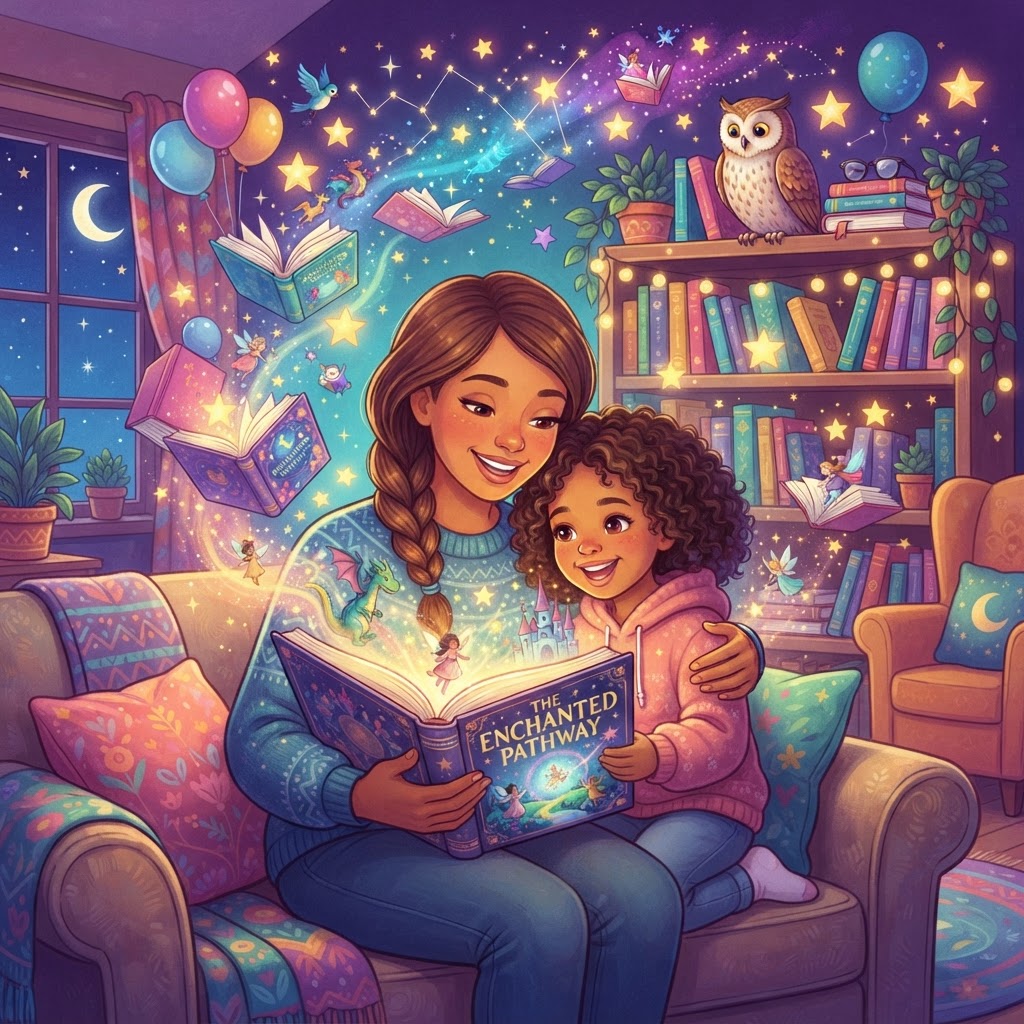
Helping a child become a reader usually starts long before they can read alone. It grows from small, repeated moments: a cozy lap, a favorite story, a predictable bedtime, and a parent who treats books like a normal part of life. If you are building a reading habit at home, the goal is not perfection. The goal is consistency, enjoyment, and a kids reading routine your child can trust.
Research backs this up. The American Academy of Pediatrics recommends reading aloud from infancy because it supports language, connection, and early literacy. Over time, these everyday experiences help children associate reading with comfort, curiosity, and confidence. Below are 10 practical reading habit tips that work for toddlers, preschoolers, and early elementary readers.
Why does starting small help when building a reading habit?
Start with a tiny goal you can repeat every day. Five to ten minutes of reading is enough to begin building a reading habit without turning it into a battle.
Many parents try to do too much too soon. A long reading session can feel overwhelming, especially for young children with short attention spans. A shorter routine is easier to protect and easier for your child to expect.
Think in “daily wins,” not big milestones. A child who reads for 7 minutes most days is building a stronger habit than a child who reads for 40 minutes once a week.
How can a simple kids reading routine make reading automatic?
A predictable routine helps reading feel normal, not optional. When reading happens at the same time each day, children stop wondering if it will happen and start expecting it.
Bedtime is a classic choice, but it is not the only good one. You might attach reading to:
- after lunch
- after bath time
- before school
- right after homework
The best kids reading routine is the one your family can keep. If bedtime is rushed, try a morning story or an after-dinner chapter. Consistency matters more than the clock.
Why should children have some choice in what they read?
Choice increases motivation. Children are more likely to return to books when they feel some ownership over the experience.
Let your child pick between two or three options rather than offering endless choice. That keeps decision-making simple while still giving them control. If you need help choosing books that truly match age and interests, this guide to choose age-right, interest-led books can help.
Choice also means respecting preferences. Trucks, fairies, dinosaurs, jokes, facts, comics, and animal stories all count. Interest is a powerful doorway into literacy.
How does reading aloud still help when kids can already read?
Reading aloud remains valuable even after a child starts decoding words on their own. It builds vocabulary, comprehension, listening stamina, and a love of stories without the pressure of doing all the work.
According to Reading Rockets, read-alouds expose children to richer language than everyday conversation. That matters because understanding books is about more than sounding out words.
Keep reading aloud with expression, pauses, and questions. If you want to make story time smoother and more engaging, try these ideas for reading aloud with more expression.
How does your own reading behavior shape your child’s habits?
Children copy what they see. If books, magazines, recipes, or newspapers are part of your daily life, your child learns that reading is useful and enjoyable.
You do not need to perform this. Simply let your child notice you reading for information or pleasure. Say things like, “I’m reading this recipe,” or “I want to finish this chapter.”
This kind of modeling is strongly supported by home literacy research. When children grow up in environments where reading is visible, they are more likely to see themselves as readers too.
What kind of reading environment helps children focus?
A calm, comfortable reading space makes it easier for children to settle into books. The environment does not need to be fancy, but it should feel inviting.
Try a few small changes:
- keep a basket of books within reach
- add a pillow, blanket, or reading corner
- reduce background TV or device noise
- use warm light if possible
The Harvard Graduate School of Education has highlighted how simple home literacy supports can strengthen reading engagement. Children do not need a perfect nook. They need a place where reading feels easy to begin.
Why do rereading favorite books actually build stronger readers?
Repetition is not a problem; it is part of learning. Rereading favorite books helps children notice new words, remember story patterns, and build confidence.
Adults often get bored before children do. But when a child asks for the same book again, they are practicing prediction, language, and comprehension. Familiar stories reduce cognitive load, which frees up attention for deeper understanding.
You can keep it fresh by changing your voice, pausing for your child to “read” repeated lines, or inviting them to retell the story from memory.
How can you make reading feel positive instead of pressured?
Children stick with activities that feel emotionally safe and rewarding. If reading becomes tied to correction, tests, or conflict, the habit is much harder to grow.
Focus on connection first. Laugh at silly parts, snuggle close, and let books become part of warm family time. Praise effort with specific language like, “You stayed with that page,” or “You noticed that rhyme.”
This matters especially for reluctant readers. If reading time has been tense, reset the mood with shorter sessions and playful books. For younger children who resist sitting still, these tips on helping a fussy toddler enjoy books are useful.
What should you do if your child seems uninterested in books?
Follow the child’s interests and lower the pressure. A child who says they “don’t like reading” often means they have not yet found the right format, topic, or reading experience.
Try variety:
- nonfiction picture books
- joke books
- graphic novels
- audiobooks with a print copy
- personalized stories featuring your child’s name or favorite themes
Sometimes novelty helps. You can create your own personalized bedtime story to connect reading with subjects your child already loves. The key is to build momentum, not to force a specific type of book.
How can you use tracking and celebration without turning reading into a chore?
Light structure can motivate children, especially when it feels fun rather than controlling. Simple tracking helps kids see progress and gives the habit a sense of momentum.
Try:
- a sticker chart for daily reading
- a “10 nights in a row” challenge
- a family readathon
- choosing a special weekend book after a full week of reading
Keep rewards small and reading-related when possible. The point is to celebrate consistency, not to bribe. If your child likes a challenge, weekly reading challenges can add a playful goal without making reading feel like homework.
How can families keep the reading habit going as children grow?
Adjust the routine as your child’s age, skills, and schedule change. A reading habit lasts longer when it evolves instead of staying stuck in one format.
A toddler may want board books and movement. A 6-year-old may enjoy shared reading, where you take turns with pages. An older child may prefer a chapter every night, silent reading with a parent nearby, or discussing a story afterward.
Review the routine every few months. Ask: Is this still working? Do we need different books, a new time, or more independence? Strong habits are flexible, not rigid.
A lasting reading habit is built in ordinary moments, not dramatic ones. When books are predictable, enjoyable, and easy to access, children are much more likely to carry reading with them into school and beyond.
Frequently Asked Questions
What age should I start building a reading habit?
You can start from infancy. Even very young babies benefit from hearing language, looking at pictures, and connecting books with closeness and routine.
How long should kids read each day?
For many children, 10 to 20 minutes a day is a realistic starting point. The best amount is one your family can do consistently without stress.
What if my child only wants the same book every night?
That is normal and often helpful. Repetition supports memory, vocabulary, and confidence, especially in toddlers and preschoolers.
Does listening to audiobooks count as reading time?
Audiobooks absolutely support language and comprehension. They are best used as part of a broader literacy routine that also includes looking at print and reading aloud together.
How do I help a reluctant reader without forcing it?
Start with high-interest material and shorten the session. Keep the tone warm, offer choices, and focus on enjoyment before skill practice.
Should reading always happen at bedtime?
No. Bedtime works well for many families, but any regular time can become a strong kids reading routine. Choose the moment you can protect most consistently.
Explore More Stories
Ready for more? - free AI bedtime story generator
Get a new bedtime story every week
Free, personalized, and delivered to your inbox. No spam, ever.
Ready to Create a Personalized Bedtime Story?
Use our free AI bedtime story generator to create a personalized illustrated story for your child in 30 seconds — no credit card needed.
Popular story types:
Maya Rodriguez
Lead Content Editor & Early Literacy Specialist
Maya is a former early childhood educator and literacy specialist with over a decade of experience helping children develop a love of reading. She leads content at InstaTales, where she writes about the science of storytelling, child development, and how families can use personalized AI stories to build literacy and emotional resilience.
instatales.ai