AI Stories for Potty Training That Really Help
Potty training is easier with stories! AI-generated potty training stories can motivate and encourage your toddler.
✦ Key Takeaways
- •Stories make potty training easier because they let toddlers practice new skills emotionally before they have to do them physically.
- •Research suggests that potty training goes better when parents look for readiness signs and support autonomy.
- •The big kid framework works because it balances pride with safety.
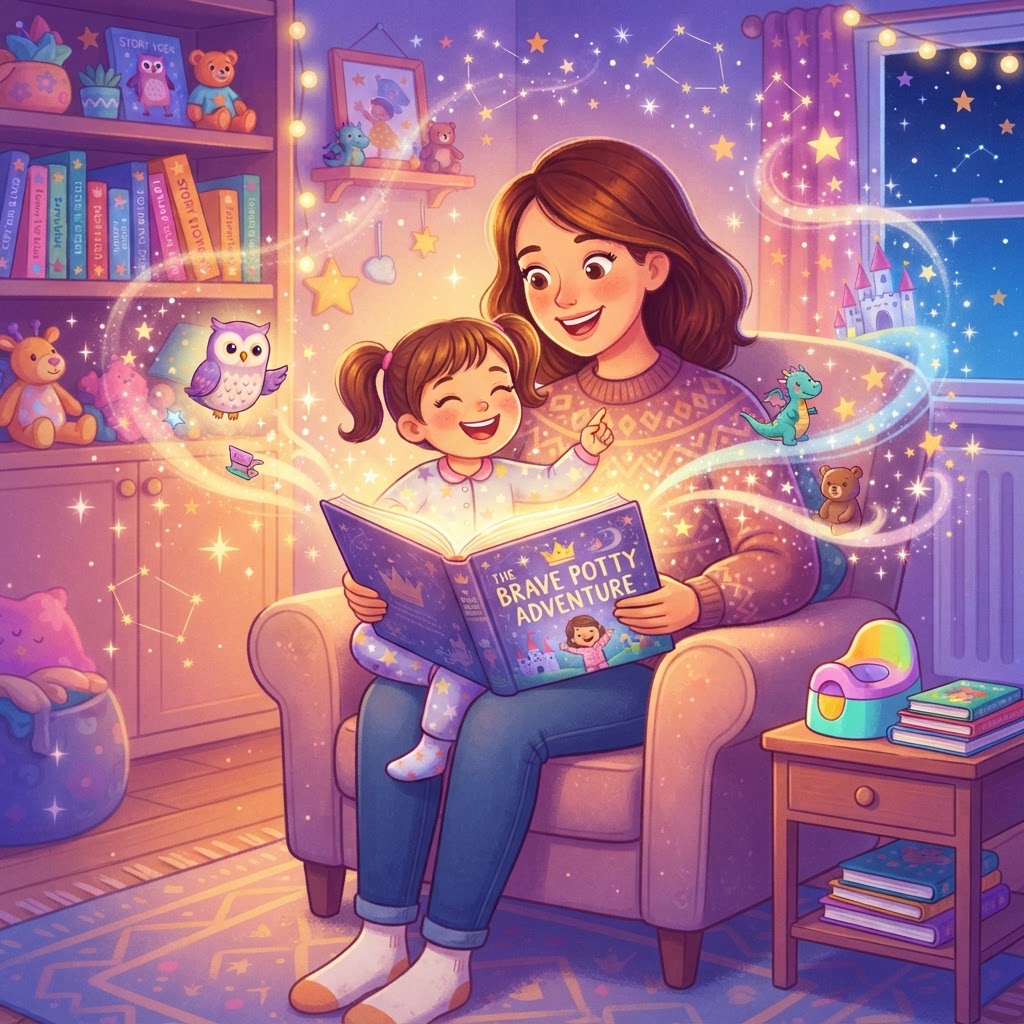
Potty training can feel big for a toddler and exhausting for parents. That is why ai stories for potty training can be so useful: they turn a daily struggle into a familiar, low-pressure adventure your child actually wants to revisit. A good story will not “train” a child on its own, but it can build confidence, teach the steps, and make the whole process feel safer and more predictable.
For many families, the best potty training stories are simple, repetitive, and personal. When a child hears their own name, favorite animal, and real-life worries inside the story, they are more likely to listen, laugh, and try again tomorrow.
Why can stories make potty training easier?
Stories make potty training easier because they let toddlers practice new skills emotionally before they have to do them physically. A story gives children a script: notice the feeling, go to the potty, try, wash hands, and feel proud.
This matters because toddlers learn through repetition, imitation, and play. According to the American Academy of Pediatrics, toilet learning works best when it is child-centered and based on readiness, not pressure. Stories support that approach by keeping the tone calm and positive.
Potty training stories can help children:
- Learn the sequence of potty steps
- Hear that accidents are normal
- Build “I can do it” confidence
- Reduce fear of the toilet, flushing, or bathroom sounds
- Connect potty use with growing independence
Personalized stories are especially helpful because they match a child’s exact challenge. If your toddler is nervous about sitting on the potty, dislikes public bathrooms, or loves dinosaurs, the story can reflect that. That is where toilet training stories ai tools stand out: they adapt faster than a one-size-fits-all book.
What does toddler development research say about potty training readiness?
Research suggests that potty training goes better when parents look for readiness signs and support autonomy. In plain terms, children are more successful when they feel capable, not pushed.
Pediatrician T. Berry Brazelton’s child-oriented toilet training approach remains influential because it respects developmental timing. The AAP also notes that many children show readiness sometime between 18 months and 3 years, but there is wide normal variation. Readiness is not just age. It includes skills like staying dry for longer periods, following simple directions, noticing bodily urges, and wanting to copy adults.
The CDC developmental milestones are helpful here because they remind us that toddlers learn through imitation, language, and routine. A child who enjoys pretend play and simple stories is often ready to benefit from a potty-themed story, even if they still need months of practice.
The emotional side matters too. The Mayo Clinic emphasizes patience, consistency, and avoiding shame. That is why the most effective ai stories for potty training focus on encouragement, body awareness, and small wins instead of pressure or rewards alone.
What is the “big kid” potty training story framework?
The big kid framework works because it balances pride with safety. The child is not told to “grow up fast.” Instead, the story says, “You are learning a new big-kid skill, and I will help you.”
A strong big-kid potty story usually follows this simple structure:
- A relatable main character: your child, or a childlike animal/favorite toy
- A body signal: tummy wiggle, pee feeling, or “my body says it’s time”
- A clear action: walk to the potty, pull down pants, sit, try, wipe, flush, wash
- A small challenge: fear, accident, forgetting, or not making it in time
- A calm recovery: “Accidents happen. We clean up and try again.”
- A proud ending: the child feels capable, clean, and confident
This framework works well because it mirrors how toddlers think. Young children like predictable stories with repetition and a positive ending. If you want stronger results, keep the same structure each night and only change one or two details, much like the advice in our guide to prompting better AI stories.
Which potty training story prompts work best?
The best prompts are specific, warm, and focused on one potty challenge at a time. Instead of asking for “a potty story,” ask for a short adventure with your child’s name, favorite theme, and exact concern.
Here are 5 potty training story prompts you can use right away:
1. The body-signals adventure
“Write a gentle bedtime story about a 2-year-old named Maya who loves bunnies. She is learning to notice when her body needs to pee. Include a cozy bathroom routine, simple repetition, and a happy ending with handwashing.”
2. The accident-and-retry story
“Create a reassuring potty training story for Liam, age 3, who feels upset after accidents. Make the story kind and calm. Show that accidents happen, grown-ups help, and trying again is what big kids do.”
3. The toilet-sound confidence story
“Write a short story about Sofia, who is scared of flushing sounds. Use a friendly elephant character to show how the toilet works, how to cover ears if needed, and how brave feelings can grow slowly.”
4. The daycare or preschool practice story
“Create a personalized story about Noah using the potty at preschool. He wants to feel confident asking a teacher for help. Include simple language, one successful bathroom trip, and praise for speaking up.”
5. The favorite-character motivation story
“Write a playful potty story about Ava and her dinosaur friend, who both practice sitting on the potty before bedtime. Include humor, repetition, and a gentle reminder that bodies learn with practice.”
These prompts work best when you include:
- Your child’s name and age
- A favorite animal, vehicle, or character theme
- One challenge only
- A short length, usually 300-600 words
- A calm, encouraging tone
If you want more ideas like this, our article on the science behind story quality explains why specificity, structure, and emotional safety matter so much.
How can you use InstaTales to create personalized potty training adventures?
InstaTales makes personalized potty stories easier because you can create a story that matches your child’s stage tonight, not weeks from now. That matters when toddler preferences change fast.
A simple way to use InstaTales is:
- Start with a clear goal, like sitting on the potty, handling accidents, or using the toilet at daycare.
- Add personal details: your child’s name, favorite theme, and what feels hard right now.
- Ask for a short, repetitive story with a calm adult helper and a proud ending.
- Re-read the same story for several nights before changing it.
- Save the stories that work in your story library so you can come back to them during setbacks.
If you are new to story creation, you can begin with ready-made story templates or simply create your own personalized bedtime story from scratch. The sweet spot is personalization without overload. One lesson, one emotional hurdle, one successful moment.
You can also update the story as your child progresses. A child who first needed a story about sitting on the potty may next need one about wiping, flushing, or using the bathroom away from home. That flexibility is why many parents now look for ai stories for potty training instead of generic books alone.
A few practical tips help even more:
- Read the story before potty times and at bedtime
- Use the same key phrases each day
- Never use stories to shame or compare siblings
- Let your child “correct” the story or retell parts back to you
- Pair stories with real routines, not instead of them
For more family reading ideas and parenting resources, you can always browse the InstaTales blog.
Frequently Asked Questions
What age should I start reading potty training stories?
You can start reading potty-themed stories before formal training begins, often around 18 months to 2 years. The goal at first is familiarity, not performance.
Can AI potty training stories replace real potty training routines?
No. Stories support toilet learning, but children still need practice, routines, and patient adult help. Think of stories as emotional preparation and gentle coaching.
What if my child resists every potty story?
Try a different angle. Some children respond better to silly animal stories, favorite vehicles, or stories about helping a toy learn instead of focusing directly on themselves.
How often should we read potty training stories?
Once or twice a day is usually enough. Repetition helps toddlers, so reading the same story for several days can be more effective than constantly changing it.
Should potty training stories include rewards?
They can, but rewards should stay light and not become pressure. Praise for trying, noticing body signals, and staying calm after accidents is often more helpful than focusing only on success.
Are personalized AI stories useful for preschool or daycare potty training?
Yes, especially when the story includes asking a teacher for help, using unfamiliar bathrooms, or waiting for a turn. Personalized practice can make those specific situations feel much less intimidating.
Get a new bedtime story every week
Free, personalized, and delivered to your inbox. No spam, ever.
Ready to Create a Personalized Bedtime Story?
Use our free AI bedtime story generator to create a personalized illustrated story for your child in 30 seconds — no credit card needed.
Popular story types:
Maya Rodriguez
Lead Content Editor & Early Literacy Specialist
Maya is a former early childhood educator and literacy specialist with over a decade of experience helping children develop a love of reading. She leads content at InstaTales, where she writes about the science of storytelling, child development, and how families can use personalized AI stories to build literacy and emotional resilience.
instatales.ai