Bears stories for kids: tales and fun facts
Delightful bears stories for kids — plus real fun facts woven into each tale. Perfect for young animal lovers who love a good story.
✦ Key Takeaways
- •Bears stories for kids work well at bedtime because they blend safety, adventure, and repetition.
- •The best stories about bears mix one simple plot with one or two accurate facts.
- •You can create personalized bears bedtime stories by combining your child’s interests with one or two simple wildlife facts.
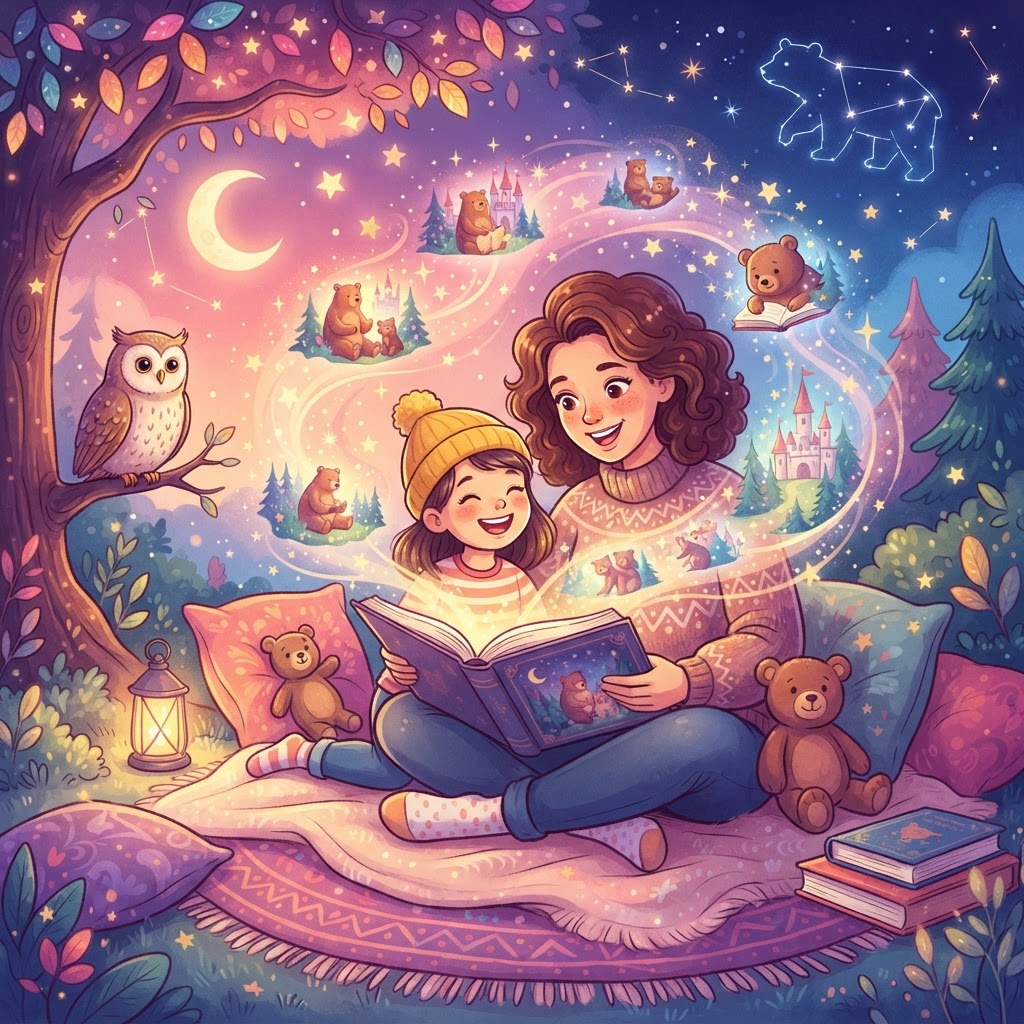
If your child loves big paws, cozy dens, snowy forests, and a little bedtime wonder, bears stories for kids are a wonderful choice. Bear characters feel strong yet comforting, which makes them perfect for gentle adventures before sleep. Better still, stories about bears can spark curiosity about the real animal world.
This kind of read-aloud does two jobs at once. It gives children the calm rhythm they need for bedtime, and it also introduces simple science in a memorable way. Below, you’ll find bears bedtime stories ideas, real bear facts, and easy AI prompts you can use to create personalized tales with InstaTales.
Why do bears stories for kids work so well at bedtime?
Bears stories for kids work well at bedtime because they blend safety, adventure, and repetition. Many children are drawn to animals that are powerful but predictable, and bears fit that pattern beautifully in story form.
In early childhood, familiar story patterns help children process emotion and build language. The American Academy of Pediatrics has long emphasized that shared reading supports bonding, vocabulary, and healthy development. In practice, I’ve found that animal stories work especially well for ages 1-10 because they give children a little distance from big feelings. A worried child may not want to talk about their fear, but they will happily help a sleepy bear find a den.
Bears also bring built-in themes that children understand:
- home and shelter
- food and foraging
- seasons and weather
- family bonds
- courage and curiosity
That’s why bears tales children enjoy often feel both exciting and soothing. A good bear story can have movement, but it usually returns to a safe ending: a den, a cuddle, a forest home, or a moonlit rest.
Which bears story ideas can mix real wildlife facts with adventure?
The best stories about bears mix one simple plot with one or two accurate facts. That keeps the tale magical while helping children remember something true about nature.
To keep these stories about bears both imaginative and accurate, the facts below draw from trusted wildlife sources including the Smithsonian’s National Zoo, the North American Bear Center, and the National Park Service.
The Honey Map in Maple Forest
A young black bear cub discovers that the forest smells like a puzzle. With help from a wise owl, the cub follows a trail of berry, bark, and honey scents to find a surprise picnic waiting near a safe tree hollow.
Real facts to weave in:
- Black bears have an excellent sense of smell.
- Young black bears are strong tree climbers.
AI prompt:
Write a gentle bedtime story for a 4-year-old about a curious black bear cub using its strong nose to follow a honey scent through a maple forest, with a calm and cozy ending in a tree-side den.
Who Stole the Winter Blanket?
A brown bear is getting ready for winter when the soft moss outside the den keeps blowing away. The bear travels through a windy valley, gathering leaves and grasses, and learns that careful preparation makes winter rest much easier.
Real facts to weave in:
- Many bears spend winter in dens.
- During winter torpor, their bodies slow down and they live off stored fat.
AI prompt:
Create a warm bedtime story about a friendly brown bear preparing a den for winter, collecting moss and leaves, and settling in for a long, peaceful sleep.
The Polar Bear and the Moonlit Ice Path
On a glowing Arctic night, a young polar bear helps a lost seal pup find the safest path back to the sea ice. Along the way, the bear learns to listen to the wind, trust the stars, and stay close to family.
Real facts to weave in:
- Polar bears stay warm with thick fur and a layer of blubber.
- They are strong swimmers and depend on sea ice.
AI prompt:
Write a soothing polar bear bedtime story for ages 5-8 set under the northern lights, including swimming, snowy quiet, and simple facts about how polar bears stay warm.
The Panda’s Bamboo Band
A playful panda hears the wind whistling through a bamboo grove and decides to turn the forest into a bedtime concert. With every crunch, rustle, and hum, the panda creates a sleepy song that helps the whole valley settle down.
Real facts to weave in:
- Giant pandas eat a great deal of bamboo each day.
- Pandas have strong jaws for chewing tough bamboo.
AI prompt:
Generate a calm story about a musical giant panda in a bamboo forest, with soft humor, repeated phrases, and real facts about bamboo eating woven naturally into the plot.
The Sun Bear’s Golden Ladder
The smallest bear in the forest wants to reach a beehive high in a tree, but instead of grabbing, the bear learns patience. Friends help build a “golden ladder” of vines and branches, and the reward becomes a shared honey feast at sunset.
Real facts to weave in:
- Sun bears are the smallest bear species.
- They have long tongues that help them reach honey and insects.
AI prompt:
Tell a bedtime story about a tiny sun bear searching for honey in a rainforest, using teamwork and kindness, and include one fun fact about its long tongue.
The Sloth Bear’s Starry Ride
A sloth bear cub feels nervous crossing the dark forest until it climbs onto its mother’s back. Together they sniff out a trail of termites, listen to nighttime sounds, and discover that the forest feels less scary when someone loving is near.
Real facts to weave in:
- Sloth bears use long snouts to feed on insects.
- Sloth bear cubs may ride on their mother’s back.
AI prompt:
Write a reassuring bedtime story about a sloth bear mother and cub walking under the stars, with gentle forest sounds and a short factual moment about how sloth bears find insects.
How can you create personalized bears bedtime stories with InstaTales?
You can create personalized bears bedtime stories by combining your child’s interests with one or two simple wildlife facts. That makes the story feel special, while also giving it educational value that sticks.
A practical way to start is to create your own personalized bedtime story using a few clear details:
- your child’s age
- favorite kind of bear
- setting, such as forest, mountain, Arctic, or bamboo grove
- mood, such as sleepy, funny, brave, or cozy
- one real bear fact to include
If you want a quick starting point, browse the ready-made story templates and then customize the name, setting, and lesson. After you make a few favorites, save them in your story library so children can revisit the same comforting tale again and again.
This approach also works beautifully in group settings. For classroom literacy, animal units, or writing prompts, InstaTales for teachers can help educators build themed reading activities around wildlife, habitats, or informational writing. If you want broader inspiration, these educational story ideas for kids can help you expand beyond bears into other learning themes.
A simple formula works best:
- choose one bear species
- add one child-friendly challenge
- include one true fact
- end with comfort and rest
That balance gives you bears bedtime stories that are calm enough for evening, but rich enough to remember the next day.
What helps stories about bears feel educational without losing the magic?
Stories about bears stay magical when facts are small, relevant, and emotionally connected to the plot. Children do not need a lecture before bed. They need a story where the fact matters.
For toddlers and preschoolers, one fact per story is often enough. A black bear climbs a tree because it feels safe there. A polar bear stays warm because its body is built for cold. When the fact solves a story problem, children understand it more easily.
For older children, you can gently add comparison and discussion:
- Which bear would like snow best?
- Which bear would climb most easily?
- Which bear would your child want as a story friend?
This style supports what literacy researchers often call active or dialogic reading: children remember more when they predict, answer, and connect. The best bears tales children love are not just heard once. They are talked about, acted out, drawn, and retold.
Most importantly, keep the bedtime tone soft. Even if the story includes wilderness, return to warmth, family, shelter, or moonlight at the end. That helps children feel secure while still enjoying the thrill of adventure.
Frequently Asked Questions
What age are bears stories for kids best for?
Bears stories can work well from ages 1-10 when the tone matches the child’s stage. Younger children usually enjoy repetition and cozy endings, while older children often like wildlife facts and bigger adventures.
Are real bear facts too scary for bedtime?
Not if you choose facts carefully. Focus on habitats, food, seasons, and family behavior rather than danger, hunting, or survival threats.
Which type of bear works best for younger children?
Black bears and pandas are often easiest for younger listeners because their story worlds feel familiar and gentle. The key is not the species alone, but the calm pace and safe ending.
How many facts should I include in a bedtime story?
One or two facts is ideal for most bedtime stories. That gives enough educational value without interrupting the rhythm or making the story feel like a lesson.
Can teachers use bear stories in the classroom?
Yes. Bear-themed stories work well for literacy, science, sequencing, and vocabulary lessons, especially in animal or habitat units. They also support discussion, drawing, and creative writing extensions.
How do I make a bear story feel personal?
Use your child’s name, favorite color, favorite snack, or a familiar bedtime routine inside the plot. A story feels memorable when the bear’s adventure reflects the child’s own world.
Get a new bedtime story every week
Free, personalized, and delivered to your inbox. No spam, ever.
Ready to Create a Personalized Bedtime Story?
Use our free AI bedtime story generator to create a personalized illustrated story for your child in 30 seconds — no credit card needed.
Popular story types:
Maya Rodriguez
Lead Content Editor & Early Literacy Specialist
Maya is a former early childhood educator and literacy specialist with over a decade of experience helping children develop a love of reading. She leads content at InstaTales, where she writes about the science of storytelling, child development, and how families can use personalized AI stories to build literacy and emotional resilience.
instatales.ai