Best educational bedtime stories for 5-year-olds
Discover the best educational bedtime stories for 5-year-olds — themes, tips, and story ideas that will delight your child at bedtime.
✦ Key Takeaways
- •The best educational stories for 5 year olds teach through character, repetition, and gentle problem-solving rather than formal instruction.
- •Five-year-olds are developing fast in language, memory, self-control, and imagination, so stories can stretch those skills in age-appropriate ways.
- •Educational bedtime stories work well because five-year-olds love imagination, routine, and mastery.
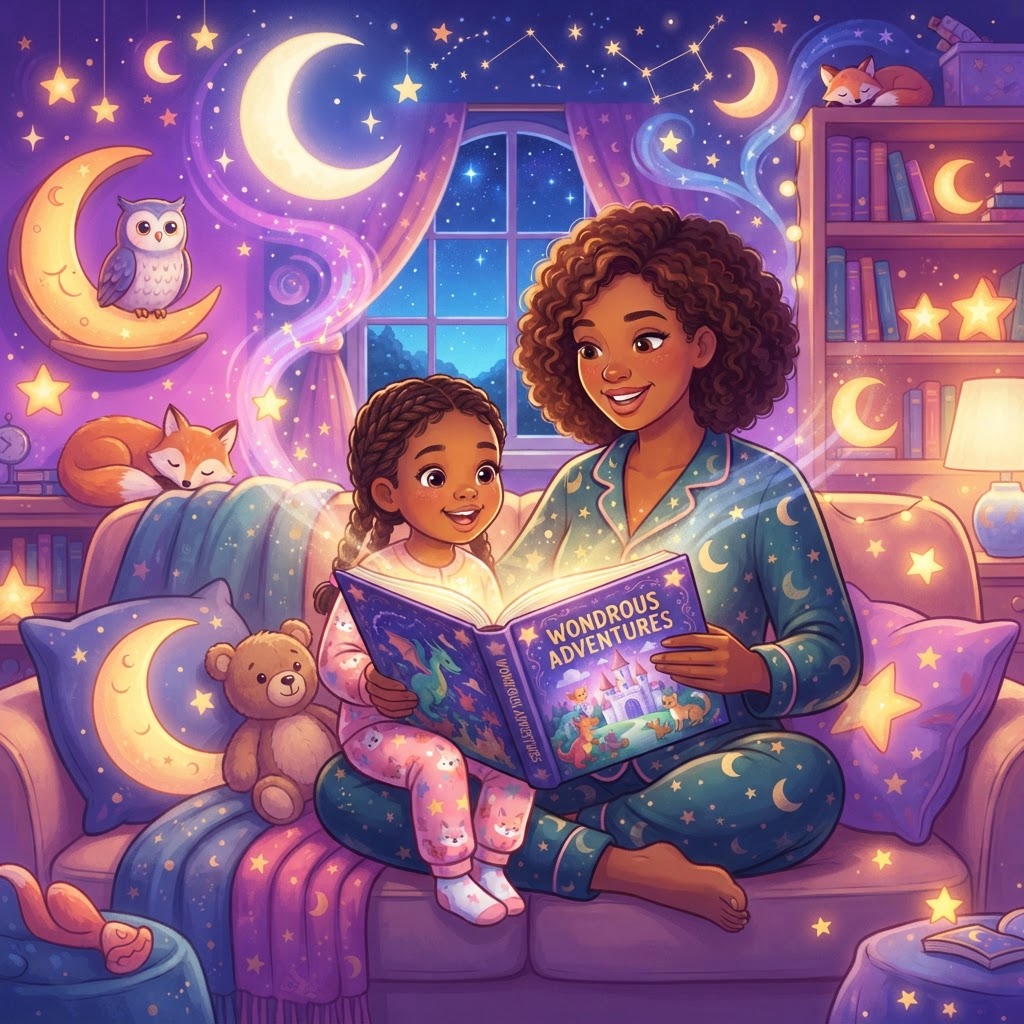
Finding the right story at bedtime can feel like a small miracle: you want something calming enough for sleep, but rich enough to help your child learn. For many families, the best educational bedtime stories do both. At age five, children are curious, talkative, imaginative, and ready for stories that build vocabulary, empathy, early math, and problem-solving—without feeling like a lesson.
What makes bedtime stories educational for 5-year-olds?
The best educational stories for 5 year olds teach through character, repetition, and gentle problem-solving rather than formal instruction. A good bedtime story might introduce counting, feelings, nature facts, friendship skills, or simple moral choices while still feeling warm and playful.
At five, children learn best when ideas are wrapped inside a narrative. Instead of saying, “Sharing is important,” a story shows a child character learning to share crayons, toys, or turns on the swings. That makes the lesson easier to understand and remember.
Strong kids educational stories for this age often include:
- A clear beginning, middle, and end
- Familiar everyday situations or easy fantasy elements
- Repetition of key words or phrases
- One main idea or lesson
- A reassuring, positive ending
When parents choose bedtime stories for 5 year olds, it helps to think beyond ABCs and numbers. Educational value can also mean emotional literacy, social skills, curiosity, and confidence.
What developmental milestones matter most at age 5?
Five-year-olds are developing fast in language, memory, self-control, and imagination, so stories can stretch those skills in age-appropriate ways. In other words, bedtime reading works best when it matches what children are already beginning to do in daily life.
According to the CDC’s developmental milestones for 5-year-olds, many children at this age can tell simple stories, answer questions about a book, follow rules in games, and show growing independence. They are also starting to understand sequences, cause and effect, and different points of view.
That means story time can support:
- Language growth: new words, descriptive phrases, and simple dialogue
- Listening skills: following a short plot from start to finish
- Early literacy: recognizing rhyme, sound patterns, and story structure
- Social-emotional learning: naming feelings, resolving conflict, showing kindness
- Thinking skills: predicting what happens next and spotting patterns
This is also a great age for interactive reading. The American Academy of Pediatrics has long emphasized shared reading as a key support for language and early brain development. A short bedtime chat—“Why do you think the rabbit felt shy?”—can be just as valuable as the story itself.
Why do educational bedtime stories work so well for 5-year-olds?
Educational bedtime stories work well because five-year-olds love imagination, routine, and mastery. They want stories that feel safe and familiar, but they also enjoy learning something new each night.
At this age, many children are beginning kindergarten or preparing for it. That often brings big feelings, new social rules, and lots of questions. Stories help children rehearse life in a low-pressure way. A character who forgets their lunch, feels nervous on the first day, or solves a puzzle with friends gives a child a model to follow.
Bedtime is especially powerful because children are already slowing down. A calm story creates a “learning without pressure” moment. Instead of quizzing or correcting, parents can simply read, cuddle, and connect.
This is one reason many families mix educational stories with other favorites, such as calming bedtime stories or funny bedtime stories. Different moods support different needs, and variety keeps the bedtime routine fresh.
How long should bedtime stories for 5-year-olds be?
For most children this age, the ideal bedtime story length is about 5 to 10 minutes, or roughly 600 to 1,200 words if read aloud at a relaxed pace. That is usually long enough to develop a simple plot, but short enough to avoid overtiredness.
If your child is very alert at bedtime, aim shorter. If they love listening and asking questions, a slightly longer story can work—especially when it has a gentle rhythm and clear structure.
A good rule of thumb is:
- 5 minutes: simple, soothing stories after a busy day
- 7-8 minutes: the sweet spot for most educational bedtime stories
- 10 minutes: richer stories with a little more plot or discussion
You can also match length to theme. A calming story may be shorter and softer, while a curiosity-led story about animals, weather, or space may hold attention a bit longer. If your child loves specific interests, themed reads like dinosaur stories for bedtime can be especially engaging.
Which themes work best in kids educational stories at this age?
The best themes are concrete, relatable, and just a little magical. Five-year-olds enjoy stories that connect to real life while opening the door to imagination.
Here are the strongest themes for educational stories for 5 year olds:
-
Friendship and sharing
Stories about taking turns, apologizing, or including others help children navigate school and play. -
Feelings and self-regulation
Books about frustration, worry, excitement, or disappointment teach children to name emotions and cope with them. -
Nature and animals
Animal stories are ideal for introducing habitats, seasons, and caring for living things. Themes like ocean adventures can build knowledge and wonder at the same time. -
Early math and logic
Counting fireflies, sorting shells, or solving a simple pattern problem can feel fun inside a story. -
Problem-solving and persistence
Stories where a child tries, fails, and tries again build resilience. -
Community and daily routines
Visiting the library, helping a neighbor, or getting ready for school can make ordinary life feel meaningful.
Fantasy can work beautifully too, as long as the emotional message stays simple. Fairies, dragons, or talking animals often help children absorb real lessons through play. For families who enjoy classic wonder, fairy-tale inspired bedtime stories can still be educational when the tone is gentle and the message is clear.
What should parents avoid in educational bedtime stories?
At bedtime, educational should never mean overstimulating, preachy, or confusing. The goal is calm learning, not a late-night lecture.
Try to avoid:
-
Heavy-handed morals
If the lesson is too obvious, children often tune out. -
Too many concepts at once
One story does not need to teach letters, planets, manners, and subtraction all together. -
Scary conflict right before sleep
Mild tension is fine, but intense villains, danger, or punishment can backfire at bedtime. -
Very long explanations
Five-year-olds learn from action, repetition, and dialogue more than dense description. -
Developmentally advanced topics
Abstract themes may be better saved for older children unless grounded in something concrete and familiar.
A simple test is this: after the story, does your child feel calm, connected, and a little more thoughtful? If yes, you have probably chosen well.
What are five great educational bedtime story ideas for 5-year-olds?
The best story ideas combine a child-friendly plot with one clear learning takeaway. These five concepts work especially well for bedtime stories for 5 year olds.
1. The Lost Library Card
A child searches for a missing library card and retraces their steps through the day. This story teaches sequencing, memory, and responsibility while keeping the tone gentle and reassuring.
2. The Forest Counting Picnic
Animal friends prepare a picnic by counting apples, cups, and blankets. It naturally introduces numbers, sorting, and sharing.
3. The Feelings Color Lantern
A child makes lanterns in different colors to match happy, sad, worried, and excited feelings. This supports emotional vocabulary and self-awareness.
4. The Tiny Seed That Kept Growing
A seed faces rain, wind, and waiting before becoming a flower. The lesson is science-based and emotional at once: plants grow slowly, and so do children’s skills.
5. The Moonlight Problem-Solvers Club
Three friends work together to help a lost baby owl get home. The story builds listening, teamwork, and simple reasoning without feeling like schoolwork.
These kinds of kids educational stories work even better when they match a child’s current interests, favorite animals, or daily challenges.
How can parents personalize educational bedtime stories with InstaTales?
Personalized stories can make learning more meaningful because children pay closer attention when they hear their own name, interests, and everyday experiences in the story. For many families, that turns a good bedtime habit into a deeply engaging one.
With InstaTales, you can create your own personalized bedtime story built around your child’s age, favorite theme, and learning goal. You might generate a story about counting seashells, handling first-day jitters, or practicing kindness with a dinosaur best friend.
Personalization is especially useful for age five because children thrive on connection and relevance. The Harvard Center on the Developing Child describes how responsive back-and-forth interaction supports healthy development. A story that reflects your child’s world can spark exactly that kind of conversation.
A few practical ways to use personalized educational bedtime stories:
- Choose one learning goal per story, such as sharing, counting, or managing worry
- Use your child’s real interests to increase attention
- Keep the tone calm and the ending comforting
- Re-read favorites and save them in your story library for easy bedtime routines
For parents and teachers, personalized stories also make it easier to revisit the same concept in different ways over time.
Frequently Asked Questions
Are educational bedtime stories good for 5-year-olds?
Yes. They support language, listening, emotional growth, and early literacy while keeping bedtime warm and connected. The best ones teach gently through story rather than direct instruction.
What is the best length for bedtime stories for 5 year olds?
Most five-year-olds do well with stories that last 5 to 10 minutes. That is long enough for a simple plot and lesson, but short enough to protect the bedtime routine.
What should educational stories for 5 year olds teach?
Good stories can teach vocabulary, counting, kindness, emotional regulation, nature facts, and problem-solving. One clear theme is usually better than trying to teach too many things at once.
Can personalized stories help children learn better?
Often, yes. Children usually engage more when the story includes their name, interests, or familiar experiences, which can make the lesson easier to remember.
What types of bedtime stories should I avoid at age five?
Avoid stories that are too scary, overly long, confusing, or preachy right before sleep. Bedtime stories should feel calming and emotionally safe, even when they include a small challenge or lesson.
Ready to Create a Personalized Bedtime Story?
Use our free AI bedtime story generator to create a personalized illustrated story for your child in 30 seconds — no credit card needed.
Popular story types:
Maya Rodriguez
Lead Content Editor & Early Literacy Specialist
Maya is a former early childhood educator and literacy specialist with over a decade of experience helping children develop a love of reading. She leads content at InstaTales, where she writes about the science of storytelling, child development, and how families can use personalized AI stories to build literacy and emotional resilience.
instatales.ai