Best moral bedtime stories for 8-year-olds
Discover the best moral bedtime stories for 8-year-olds — themes, tips, and story ideas that will delight your child at bedtime.
✦ Key Takeaways
- •Moral bedtime stories work well for 8-year-olds because children this age are ready to think beyond simple “good” and “bad.” They enjoy stories where characters make choices, face consequences, and learn something meaningful without being lectured. At 8, many children are deeply interested in fairness.
- •The key developmental milestone at age 8 is that children can follow more complex emotions, motives, and cause-and-effect.
- •The ideal length for bedtime stories for 8 year olds is usually 10 to 15 minutes.
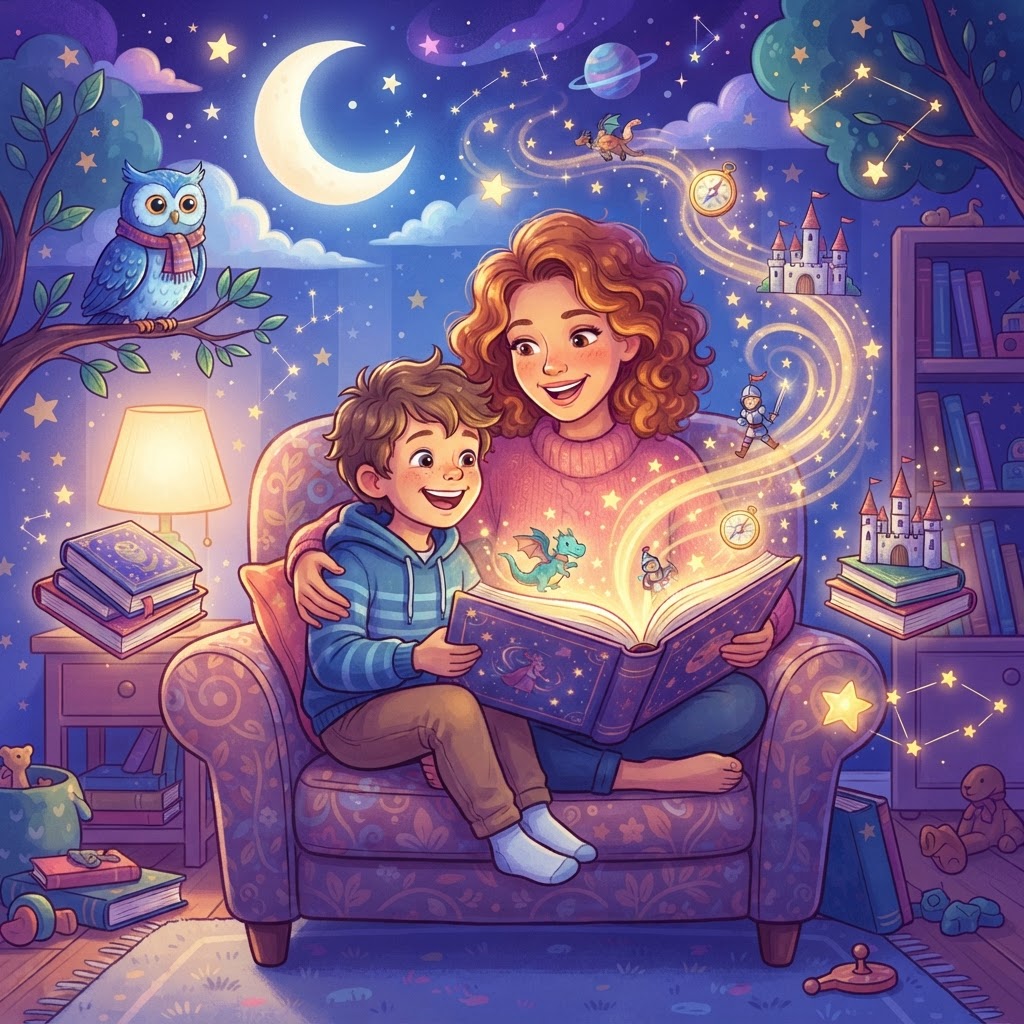
Choosing the right bedtime story for an 8-year-old can feel surprisingly important, because at this age children are not just listening for fun. They are testing ideas about fairness, friendship, courage, honesty, and responsibility. The best moral stories for 8 year olds blend a strong plot with gentle life lessons, so your child feels entertained first and guided second.
Why are moral bedtime stories such a good fit for 8-year-olds?
Moral bedtime stories work well for 8-year-olds because children this age are ready to think beyond simple “good” and “bad.” They enjoy stories where characters make choices, face consequences, and learn something meaningful without being lectured.
At 8, many children are deeply interested in fairness. They notice when someone is left out, when rules feel unfair, or when a character acts bravely even when it is hard. That makes moral bedtime stories especially engaging, because the lesson connects to real life.
These stories also create a calm space for reflection. A short conversation after the story — “Why do you think she told the truth?” or “What else could he have done?” — helps children build empathy and judgment. Shared reading itself also supports language, attention, and connection, as noted by the American Academy of Pediatrics.
For families who want variety, moral themes can easily mix with other bedtime favorites. Some children respond best to gentler bedtime reads, while others open up more through funny bedtime picks.
What developmental milestones matter when choosing stories for an 8-year-old?
The key developmental milestone at age 8 is that children can follow more complex emotions, motives, and cause-and-effect. They still want clear endings, but they are ready for richer characters and more thoughtful lessons.
Developmental theorist Erik Erikson described this stage as industry vs. inferiority. In plain terms, 8-year-olds want to feel capable. They like stories where children solve problems, help others, or improve through effort. That is one reason kids moral stories about perseverance and responsibility land so well.
Many 8-year-olds are also growing in:
- Perspective-taking: They can understand that two characters may feel differently about the same event.
- Rule awareness: They care about justice, fairness, and whether consequences fit actions.
- Independent thinking: They may question a story’s lesson instead of simply accepting it.
- Longer attention span: They can enjoy a fuller plot with a beginning, challenge, and resolution.
These growing skills align with social-emotional learning frameworks from organizations like CASEL, which highlight self-awareness, empathy, and responsible decision-making. Research from Harvard’s Center on the Developing Child also shows how children build executive function through experiences that support reflection, self-control, and problem-solving.
How long should bedtime stories for 8 year olds be?
The ideal length for bedtime stories for 8 year olds is usually 10 to 15 minutes. That is long enough for a satisfying plot, but short enough to keep bedtime calm and predictable.
For read-alouds, this often means roughly:
- 800 to 1,500 words for a single self-contained story
- 3 to 5 main story beats: setup, problem, attempt, turning point, resolution
- One clear message, not several lessons packed together
If your child is tired, choose a shorter story with a soothing ending. If they are wide awake and love discussion, a slightly longer story can work well. The key is emotional pacing: bedtime is not the moment for a chaotic plot that gets more intense on the final page.
A good test is simple. If your child can follow the story, enjoy the conflict, and still settle down after, the length is right. If they seem overstimulated, shorten it or switch to a calmer style.
Which moral themes work best in moral stories for 8 year olds?
The best themes for this age are concrete, relatable, and emotionally realistic. Eight-year-olds connect most with lessons they can imagine using at school, at home, or with friends the next day.
Strong themes include:
- Honesty: Telling the truth even when it feels risky
- Kindness: Helping others in small, meaningful ways
- Perseverance: Keeping going after mistakes or setbacks
- Responsibility: Owning actions and making repairs
- Inclusion: Welcoming others and standing up to exclusion
- Courage: Doing the right thing when it feels uncomfortable
- Gratitude: Noticing what we have instead of always wanting more
The most effective moral stories for 8 year olds show these lessons through action. Instead of saying, “Be kind,” the story might show a child inviting a lonely classmate into a game. Instead of saying, “Work hard,” it might show a character practicing a skill, failing, and improving.
If your child loves imaginative settings, these same values can appear in classic fairy-tale style stories. The setting can be magical, but the emotional truth should still feel real.
What should parents avoid in kids moral stories?
Parents should avoid stories that feel preachy, overly scary, or emotionally confusing at bedtime. A story meant to teach should still feel safe, warm, and enjoyable.
Here are the most common mistakes:
- Heavy-handed lessons: If the moral is too obvious, children tune out.
- Shame-based consequences: Stories should guide, not humiliate.
- Overly frightening scenes: Fear can linger long after lights-out.
- Complicated moral ambiguity: Some nuance is fine, but bedtime is not the best time for deeply unresolved ethical tension.
- Adult problems in child disguise: Themes should match a child’s world.
- Long, slow openings: Children this age want the story to get moving.
A good bedtime moral story does not punish a child character harshly just to make a point. It shows consequences in a way that feels fair and constructive. For example, a character who lies might lose trust and then rebuild it, rather than face dramatic humiliation.
When in doubt, choose stories with warmth, humor, and hope. The lesson should leave your child feeling thoughtful, not worried.
What are five great moral bedtime story ideas for 8-year-olds?
The best story ideas combine a relatable challenge with one clear value. These five concepts work especially well because they feel age-appropriate, emotionally rich, and easy to personalize.
1. The borrowed compass
A child borrows a friend’s special compass and accidentally breaks it. Afraid of losing the friendship, they hide the truth — until honesty becomes the only way forward.
Moral: Telling the truth builds trust, even after mistakes.
2. The invisible team captain
A confident child always takes charge during games but slowly realizes quieter classmates have great ideas too. By listening and sharing leadership, the whole group succeeds.
Moral: Good leaders include others.
3. The almost-finished invention
A young inventor gives up every time a creation fails. With help from a grandparent, they learn that every mistake teaches something useful.
Moral: Perseverance matters more than perfection.
4. The lunch table rescue
A new student sits alone every day, and one child must decide whether to risk social awkwardness to welcome them. The small act of kindness changes the class.
Moral: Inclusion starts with one brave choice.
5. The moonlight promise
A child promises to help care for a neighborhood garden but keeps forgetting. When the plants begin to wilt, they learn that responsibility means following through even when no one is watching.
Moral: Responsibility is shown through action.
You can also match the moral theme to your child’s interests. A child who loves sea life may engage more with ocean-based lessons, while a dinosaur fan may love a brave triceratops learning patience.
How can InstaTales help parents create personalized moral bedtime stories?
InstaTales can help by turning your child’s interests, age, and learning goals into a custom bedtime story. Personalization matters because children listen more closely when the story feels like it was made for them.
With InstaTales, you can create your own personalized bedtime story around themes like honesty, courage, friendship, or resilience. You might build a story about an 8-year-old who loves soccer, sharks, dragons, or space, then pair that interest with a lesson your child is working on at home.
This approach is especially useful when a child needs a story that feels specific:
- A child nervous about school friendships
- A sibling learning to share
- A perfectionist who fears mistakes
- A child who loves humor more than direct advice
You can also save favorite stories in your story library so your child can revisit them. Re-reading is powerful: when children hear the same story again, they often notice the lesson more deeply on the second or third read.
The goal is not to replace traditional books. It is to give parents another gentle tool for creating bedtime stories for 8 year olds that feel relevant, comforting, and memorable.
Frequently Asked Questions
What makes a good moral bedtime story for an 8-year-old?
A good moral bedtime story has a clear plot, relatable emotions, and one main lesson. It should teach through the character’s choices, not through a lecture.
Are moral stories too old-fashioned for modern kids?
Not at all. Children still care deeply about fairness, friendship, honesty, and courage, and stories remain one of the best ways to explore those ideas in a safe way.
How often should I read moral stories at bedtime?
A few times a week is enough to make them meaningful. You can mix them with calming, silly, or imaginative stories so bedtime stays enjoyable and varied.
What if my child dislikes obvious lessons?
Choose stories with humor, adventure, or mystery, where the message is woven into the action. Many children respond better when the moral feels discovered rather than announced.
Can personalized AI stories support character development?
Yes, when used thoughtfully. Personalized stories can make social-emotional themes feel more relevant by connecting them to a child’s interests, daily life, and current challenges.
Get a new bedtime story every week
Free, personalized, and delivered to your inbox. No spam, ever.
Ready to Create a Personalized Bedtime Story?
Use our free AI bedtime story generator to create a personalized illustrated story for your child in 30 seconds — no credit card needed.
Popular story types:
Maya Rodriguez
Lead Content Editor & Early Literacy Specialist
Maya is a former early childhood educator and literacy specialist with over a decade of experience helping children develop a love of reading. She leads content at InstaTales, where she writes about the science of storytelling, child development, and how families can use personalized AI stories to build literacy and emotional resilience.
instatales.ai