Best nature bedtime stories for 5-year-olds
Discover the best nature bedtime stories for 5-year-olds — themes, tips, and story ideas that will delight your child at bedtime.
✦ Key Takeaways
- •Nature bedtime stories are a great fit for 5-year-olds because they match how children this age learn, imagine, and relax.
- •The most important milestones at age five are stronger language, longer attention span, growing empathy, and a love of pretend play.
- •For most 5-year-olds, the ideal bedtime story length is about 5 to 10 minutes.
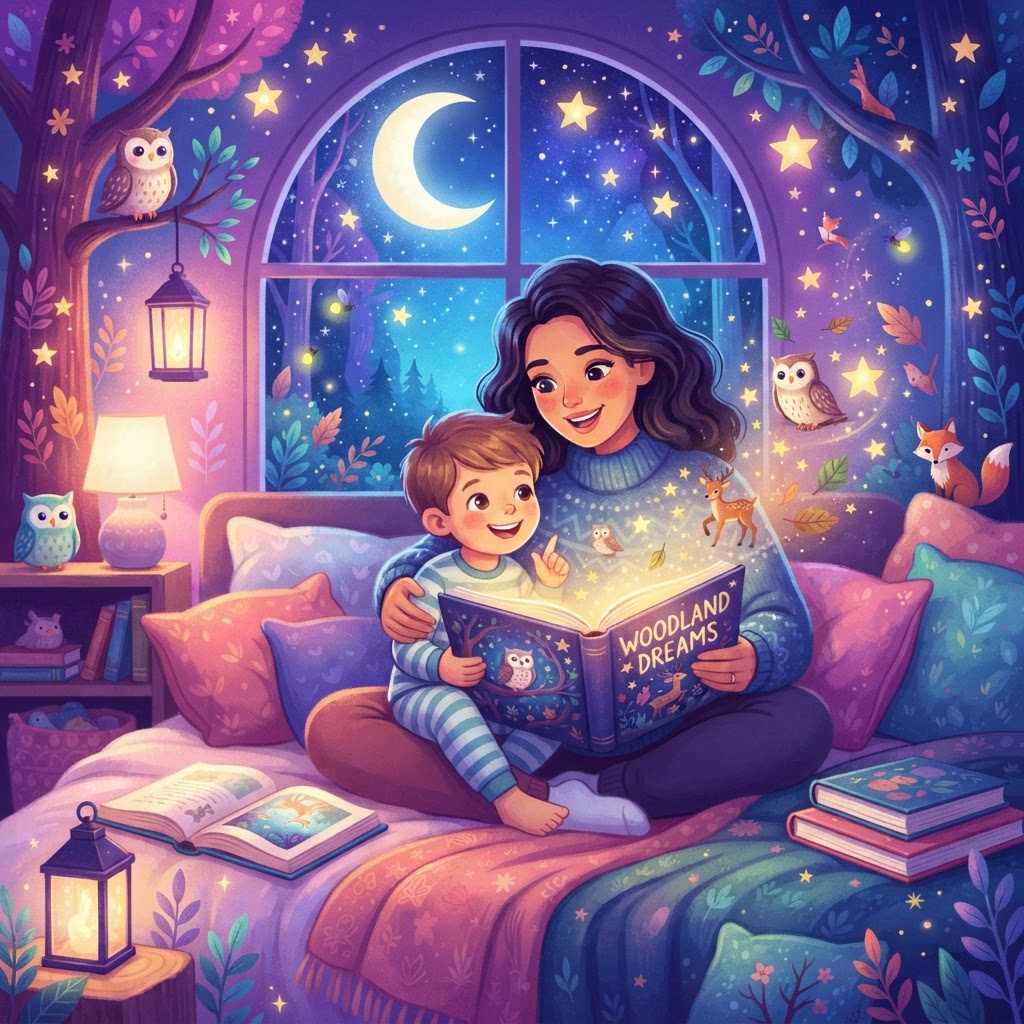
Finding the right story for bedtime can feel surprisingly important at age five. Children this age are curious, imaginative, and full of questions, but they also still need calm, comfort, and predictability at the end of the day. That is why nature bedtime stories work so well. The best nature stories for 5 year olds blend gentle wonder with simple plots, familiar emotions, and a peaceful rhythm that helps children settle. In this guide, you will learn how to choose the best bedtime stories for 5 year olds, which nature themes are most engaging, what to avoid before sleep, and how to create personalized stories your child will want to hear again and again.
Why are nature bedtime stories such a good fit for 5-year-olds?
Nature bedtime stories are a great fit for 5-year-olds because they match how children this age learn, imagine, and relax. At five, many children are fascinated by animals, weather, gardens, forests, and the changing sky, yet they still benefit from soft, reassuring endings.
Nature gives children a world that feels big and magical without being too complicated. A seed becoming a flower, a fox looking for its den, or the moon rising over a quiet lake offers gentle action without the overstimulation that can come from louder or faster plots.
These stories also support emotional growth. A child can relate to a shy rabbit, a curious raindrop, or a little tree learning patience through the seasons. That makes kids nature stories especially useful when you want bedtime reading to feel both soothing and meaningful.
If you are also looking beyond nature themes, our guide to bedtime stories for 5-year-olds can help you build a wider bedtime routine.
What developmental milestones matter when choosing stories for a 5-year-old?
The most important milestones at age five are stronger language, longer attention span, growing empathy, and a love of pretend play. These skills shape what kind of story will feel engaging rather than frustrating.
According to the CDC’s developmental guidance for 5-year-olds, many children this age can tell simple stories, answer basic questions, and follow multi-step ideas. That means they can enjoy a plot with a clear beginning, middle, and end.
Early childhood experts at NAEYC also emphasize that 5-year-olds learn best through play, conversation, and meaningful experiences. In story terms, that means children often respond well to:
- Simple cause and effect
- Repetition and pattern
- Characters with clear feelings
- Gentle problem-solving
- Imaginative but familiar settings
At this age, children are also “why” thinkers. They want to know why leaves fall, how bees help flowers, or where the sun goes at night. Nature stories can meet that curiosity in a playful, age-appropriate way.
How long should a nature bedtime story be for a 5-year-old?
For most 5-year-olds, the ideal bedtime story length is about 5 to 10 minutes. That is usually long enough to feel satisfying but short enough to support winding down.
In word count, that often means roughly 600 to 1,000 words, depending on your reading pace and how interactive you are. Some children enjoy a slightly longer story if the language is calm and the plot is easy to follow.
A good bedtime story for this age usually includes:
- One main problem or question
- Two or three small story events
- A cozy, reassuring ending
- Gentle language rather than high drama
If your child asks lots of questions during reading, shorter can actually be better. The pauses, comments, and cuddles are part of the experience. For sleep, it is usually more important that a story feels calm than that it feels long.
Which nature themes work best for 5-year-olds at bedtime?
The best nature themes for bedtime are the ones that feel familiar, gentle, and full of wonder. Children this age love discovery, but they sleep best when the story stays emotionally safe.
Some of the strongest themes include:
-
Seasons changing
Stories about autumn leaves, spring flowers, or the first snowfall help children notice patterns in the world. -
Gardens and growing things
Seeds, butterflies, vegetables, and tiny insects make excellent story material because they combine science with magic. -
Forest friendships
Woodland characters are a classic choice for nature bedtime stories because they feel cozy and timeless. -
Day and night in nature
Fireflies, owls, stars, and the moon naturally support the transition to sleep. -
Gentle weather
Rain, breezes, clouds, and puddles can be soothing. Storms can work too, but only if handled lightly. -
Ocean calm
Waves, shells, sleepy turtles, and underwater light can create a peaceful bedtime mood.
If your child especially loves animal characters, you might also enjoy these animal bedtime stories for 5-year-olds. If they like a little more movement and discovery, try these adventure stories for 5-year-olds.
Research gathered by the Children & Nature Network also suggests that positive experiences with nature can support attention, emotional well-being, and connection to the world around them. Stories are not the same as outdoor play, of course, but they can still nurture that bond.
What should parents avoid in nature bedtime stories for 5-year-olds?
Parents should avoid stories that are too scary, too busy, or too heavy for bedtime. A good sleep story should calm the nervous system, not wake it up.
Try to avoid:
- Intense danger like animals chasing each other in frightening detail
- Environmental doom such as stories focused on destruction or hopelessness
- Too many facts at once which can make the story feel like a lesson
- Chaotic pacing with constant surprises or loud humor
- Unresolved endings that leave a child worried
This does not mean nature stories must be bland. A lost acorn, a nervous duckling, or a dark cloud can all create healthy tension. The key is emotional safety. By the end, the acorn finds its place, the duckling feels brave, and the cloud brings gentle rain.
For bedtime, think “wonder with reassurance,” not “excitement with suspense.”
What are five great nature bedtime story ideas for 5-year-olds?
The best story ideas are simple, visual, and emotionally clear. At five, children connect most deeply with stories that combine a small adventure with a comforting ending.
1. The Little Seed Who Could Not Wait
A tiny seed is impatient for spring and keeps asking the worms, rain, and sun when it will grow. As the story unfolds, the seed learns that nature has its own timing, and waking up slowly can be part of the magic.
2. The Firefly’s First Glow
A young firefly worries because everyone else seems to shine before bedtime, but its light has not come yet. With help from the moon and a sleepy frog, the firefly discovers that glowing happens best when it feels calm and confident.
3. The Fox and the Missing Star
A small fox notices that one bright star seems to be missing from the sky and goes on a gentle nighttime walk to investigate. In the end, the “missing star” is reflected in a quiet pond, turning the adventure into a peaceful lesson in noticing.
4. The Rain Cloud That Brought a Garden
A soft gray cloud feels sad because children run inside when it arrives. By morning, the cloud sees new sprouts, sparkling leaves, and happy birds, and learns that even quiet kinds of help matter.
5. The Turtle Who Listened to the Ocean
A young turtle feels restless at bedtime and asks the sea how to become sleepy. Each wave teaches one calming step: breathe, listen, float, and rest, making this one of the most soothing kids nature stories for the end of the day.
These ideas also work beautifully if you want to create your own personalized bedtime story. Adding your child’s name, favorite animal, or local setting can make the story feel especially memorable.
How can parents use personalized AI nature stories in a healthy way?
Personalized AI stories work best when parents use them as a tool for connection, not a replacement for connection. The real magic is still your voice, your closeness, and the bedtime routine around the story.
InstaTales can help you create nature stories for 5 year olds that match your child’s interests, attention span, and comfort level. If your child loves owls, gardens, thunderstorms, or camping, you can shape a story around those details while keeping the tone gentle and age-appropriate.
A few practical tips:
- Keep the story length short enough for bedtime
- Choose one main theme or lesson
- Personalize with familiar names, pets, or places
- Read the story yourself first if your child is sensitive
- Save favorite stories in your story library for easy re-reading
Repetition matters at this age. Children often want the same story again because it helps them process language, emotions, and expectations. Personalized nature bedtime stories can give you that same comforting repeat value while still letting you refresh the details from time to time.
Frequently Asked Questions
What makes nature stories calming for 5-year-olds?
Nature stories often use soft imagery, familiar rhythms, and gentle problems that get resolved safely. That combination helps children feel curious without becoming overstimulated before sleep.
How often should I read bedtime stories to my 5-year-old?
Reading most nights is ideal, even if the story is short. Consistent bedtime reading supports language development, bonding, and a predictable wind-down routine.
Are educational nature stories okay at bedtime?
Yes, as long as they still feel like stories first. A few simple facts woven into a calm plot work better than a fact-heavy lesson right before sleep.
What if my child wants the same nature story every night?
That is completely normal at age five. Repetition helps children build confidence, remember language patterns, and feel secure at bedtime.
Can personalized AI stories be good for young children?
Yes, when they are parent-guided, age-appropriate, and used as part of shared reading. The best results come when adults shape the content and stay involved in the bedtime experience.
Get a new bedtime story every week
Free, personalized, and delivered to your inbox. No spam, ever.
Ready to Create a Personalized Bedtime Story?
Use our free AI bedtime story generator to create a personalized illustrated story for your child in 30 seconds — no credit card needed.
Popular story types:
Maya Rodriguez
Lead Content Editor & Early Literacy Specialist
Maya is a former early childhood educator and literacy specialist with over a decade of experience helping children develop a love of reading. She leads content at InstaTales, where she writes about the science of storytelling, child development, and how families can use personalized AI stories to build literacy and emotional resilience.
instatales.ai