Best winter bedtime stories for children
The best winter bedtime stories for children — cozy, festive tales that make the season magical at storytime.
✦ Key Takeaways
- •The best winter bedtime stories for children are calm, sensory, reassuring, and age-appropriate.
- •Seasonal reading matters in winter because it helps children connect books to the world they are living in right now.
- •The themes that make winter stories for kids feel magical are coziness, wonder, kindness, and quiet discovery.
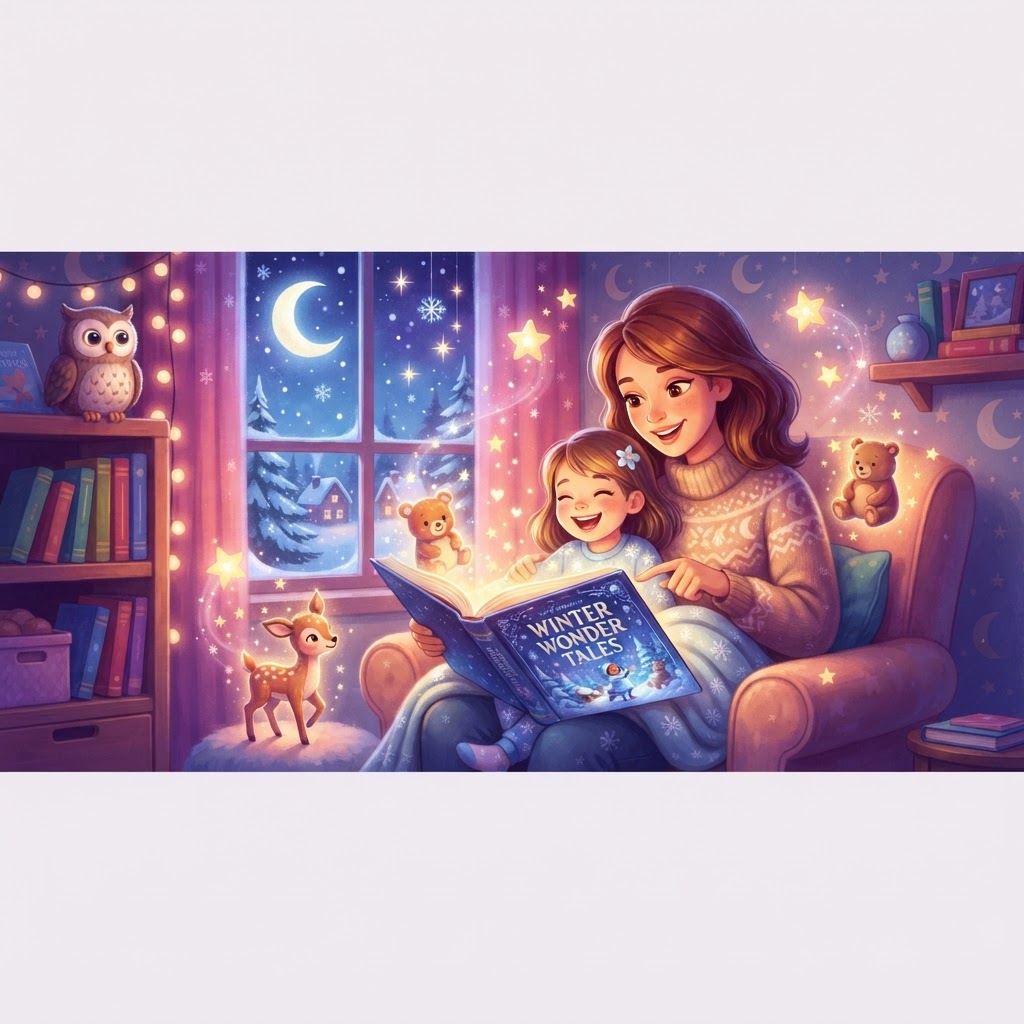
When the weather turns cold and evenings grow longer, the best winter bedtime stories can make the whole day end more gently. A cozy winter tale gives children warmth, rhythm, and a sense of wonder—whether it features falling snow, sleepy animals, glowing lights, or a family tradition repeated every year.
For parents, grandparents, and teachers, winter is also a perfect season to refresh the reading routine. The right winter stories for kids can support language growth, emotional comfort, and connection, while making bedtime feel calm instead of rushed. Here is how to choose great winter stories, which themes work best, and how to create custom adventures with InstaTales.
What makes the best winter bedtime stories for children?
The best winter bedtime stories for children are calm, sensory, reassuring, and age-appropriate. They capture the magic of the season without overstimulating children right before sleep.
A strong winter bedtime story usually includes a few simple ingredients:
- Gentle pacing with a clear beginning, middle, and peaceful ending
- Seasonal details children can picture, like snowy paths, wool blankets, warm cocoa, moonlight, and quiet forests
- Emotional warmth through kindness, family closeness, friendship, or helping others
- A manageable problem that feels safe, not scary
- Repetition or pattern, which is especially soothing for younger children
For babies and toddlers, the best stories are short and rhythmic. For preschoolers, simple adventures with familiar winter experiences work well. For children ages 6-10, you can add more imagination—such as magical snow creatures or a nighttime village festival—while still keeping the tone restful.
Whether you are choosing library books or making up your own tale, the best children winter books leave a child feeling safe, seen, and ready to drift off.
Why does seasonal reading matter in winter?
Seasonal reading matters in winter because it helps children connect books to the world they are living in right now. That real-world link strengthens vocabulary, comprehension, and emotional understanding.
Read-aloud research consistently shows that shared reading supports language, bonding, and early literacy. The American Academy of Pediatrics recommends reading together from infancy, and ZERO TO THREE highlights how everyday reading builds relationships and brain development. In practice, winter stories add another layer: they help children make sense of darker evenings, colder weather, festive events, and changes in routine.
Seasonal stories are especially useful because they:
- Build background knowledge about weather, animals, clothing, and traditions
- Expand seasonal vocabulary, such as frost, hibernate, flurry, scarf, lantern, and sparkle
- Support emotional regulation by pairing bedtime with familiar seasonal images
- Invite conversation, which matters for “serve and return” language development described by the Center on the Developing Child at Harvard University
In other words, winter bedtime reading is not just cozy. It is a practical way to help children observe, name, and understand the season around them.
Which themes make winter stories for kids feel magical?
The themes that make winter stories for kids feel magical are coziness, wonder, kindness, and quiet discovery. These themes match both the season and the emotional tone children need at bedtime.
Some of the most effective winter themes include:
- The first snow: anticipation, surprise, and simple joy
- Helping animals in winter: empathy, care, and noticing nature
- Lights in the dark: lanterns, stars, candles, or glowing windows that feel comforting
- Family traditions: baking, soup night, songs, special blankets, or neighborhood walks
- Winter patience: waiting for snow, waiting for morning, waiting for spring
- Community kindness: sharing mittens, shoveling a path, or welcoming a new neighbor
For bedtime, quiet magic usually works better than high-stakes danger. A snowstorm can appear in a story, but it should feel secure and resolved. A talking fox or brave snowflake can be delightful, but the emotional center should still be warmth and safety.
If you want a few extra prompts, these cozy winter story ideas for kids are a great place to start.
What are five winter bedtime story ideas children will love?
Five winter story ideas children love are stories about snow, animals, lights, family rituals, and nighttime wonder. These concepts work well as original tales, read-aloud prompts, or inspiration when choosing winter books.
1. The child who followed mitten prints in the snow
A child wakes to fresh snow and spots tiny mitten-shaped prints leading through the garden. At each stop, they discover a small act of kindness: a scarf wrapped around a fence post, seeds left for birds, and a note inviting them home for cocoa.
This kind of story works well because it mixes mystery with comfort. It is ideal for ages 3-7.
2. The rabbit who helped the sleepy forest
A small rabbit notices that the forest feels too quiet and decides to check on the sleeping animals. Along the way, the rabbit learns that winter has its own gentle rhythm: some creatures sleep, some rest, and some stay awake to help.
This story supports emotional calm and teaches children that slowing down is part of nature.
3. The lantern parade on the longest night
Children in a village carry handmade lanterns through the snowy streets to light the darkest evening of the year. One child worries their lantern is too dim, but discovers that even a small light matters when everyone shines together.
This idea is lovely for bedtime because it blends wonder, community, and reassurance.
4. Grandma’s soup night surprise
Every winter Friday, a family gathers for soup, bread, and stories. One evening, the grandparent invites the child to tell the first story, and the child realizes that family traditions grow when everyone adds something of their own.
This kind of tale is perfect for children who love connection and repetition. It also mirrors real family routines, which helps stories feel grounding.
5. The snowflake that wanted to see bedtime
A curious snowflake asks the moon what happens when children go to sleep. Floating from window to window, it sees lullabies, stuffed animals, goodnight kisses, and sleepy pets before landing softly on a windowsill at dawn.
This is one of the gentlest winter bedtime reading ideas because the whole plot centers on settling down.
How can parents create personalized winter bedtime reading with InstaTales?
Parents can create personalized winter bedtime reading with InstaTales by turning their child’s real interests into a calm seasonal story. This makes storytime more engaging because the child hears familiar details woven into a cozy winter adventure.
With InstaTales, you can create your own personalized bedtime story using details such as your child’s name, age, favorite animal, bedtime fears, or favorite winter activity. A story about “Maya and the Moonlit Sled” or “Leo Helps the Sleepy Polar Bear” often feels more meaningful than a generic tale because the child can picture themselves inside it.
A few simple best practices make custom stories even better:
- Keep the tone soothing, not exciting, before bed
- Use one clear setting, like a snowy village or warm cabin
- Add one gentle challenge and one reassuring solution
- Include familiar bedtime cues, such as pajamas, warm milk, bath time, or a favorite blanket
- Re-read favorites by saving them in your story library
This is also where personalized stories can support literacy. Children often listen longer and retell more confidently when the story reflects their own experiences. That kind of retelling strengthens comprehension, vocabulary, and memory.
How can you build a winter reading routine that children look forward to?
A winter reading routine works best when it is predictable, short, and enjoyable. Children look forward to storytime when they know what comes next and feel included in the process.
Try a simple sequence like this:
- Put on pajamas
- Choose one winter story
- Read in the same cozy spot
- Ask one or two gentle questions
- End with the same goodnight phrase
You can also rotate stories through the year so children notice the seasons changing. After winter, it can be fun to move into autumn bedtime stories or bright, playful summer story ideas to keep the reading habit fresh.
For many families, the goal is not a perfect library shelf. It is a dependable ritual: one warm voice, one good story, and a few quiet minutes together.
Frequently Asked Questions
What age are winter bedtime stories best for?
Winter bedtime stories work well for children from ages 1-10, as long as the length and language match the child’s stage. Younger children usually prefer repetition and simple scenes, while older children enjoy richer plots and more imaginative settings.
How long should winter bedtime reading be?
For toddlers, 5-10 minutes is often enough. For preschool and early elementary children, 10-20 minutes can work well if the story stays calm and the routine remains consistent.
Do winter stories for kids always need to include holidays?
No. Many wonderful winter stories focus on snow, animals, nighttime, family closeness, or seasonal weather rather than a specific holiday. That makes them flexible for diverse families and classrooms.
Can personalized AI stories support literacy?
Yes, when used thoughtfully, personalized stories can support attention, vocabulary, and retelling. Children often engage more deeply when they hear their own name, interests, or experiences reflected in the story.
What should I avoid in a bedtime winter story?
Avoid stories that are too long, too scary, or too fast-paced right before sleep. A bedtime story should lower energy, not raise it.
Where can I find more seasonal story inspiration?
You can explore more ideas on the InstaTales blog and build a seasonal reading habit with themed story guides. Looking at story ideas across winter, autumn, and summer can help keep bedtime fresh all year.
Get a new bedtime story every week
Free, personalized, and delivered to your inbox. No spam, ever.
Ready to Create a Personalized Bedtime Story?
Use our free AI bedtime story generator to create a personalized illustrated story for your child in 30 seconds — no credit card needed.
Popular story types:
Maya Rodriguez
Lead Content Editor & Early Literacy Specialist
Maya is a former early childhood educator and literacy specialist with over a decade of experience helping children develop a love of reading. She leads content at InstaTales, where she writes about the science of storytelling, child development, and how families can use personalized AI stories to build literacy and emotional resilience.
instatales.ai