Cute Butterflies Stories for Bedtime
Snuggle up with these cute butterflies bedtime stories for children — gentle, heartwarming tales perfect for winding down at night.
✦ Key Takeaways
- •Butterfly stories feel soothing because they are naturally soft, slow, and safe.
- •A great butterfly bedtime story is simple, repetitive, and emotionally safe.
- •The best cute butterflies stories for bedtime are short, tender, and easy to picture.
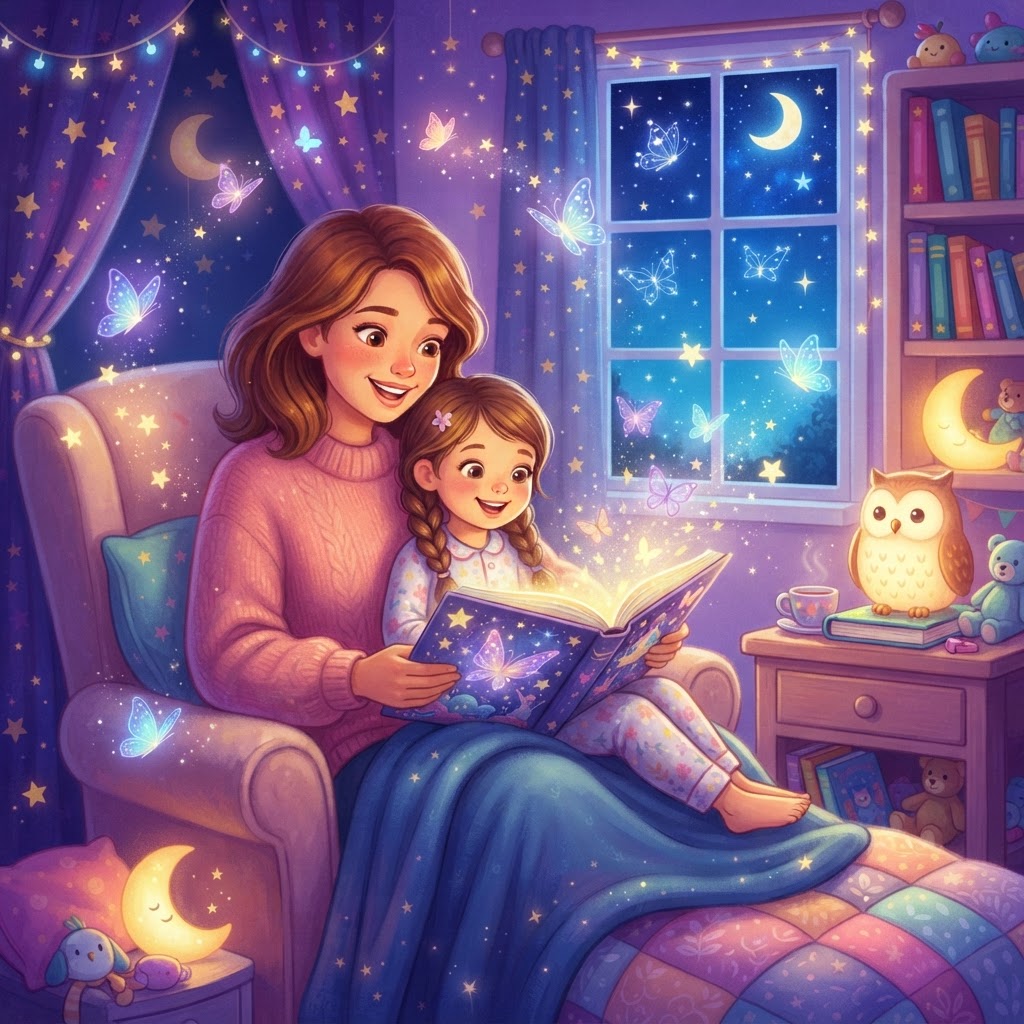
If you are looking for cute butterflies stories that help children slow down, breathe deeply, and drift toward sleep, butterflies are a wonderful theme. Their soft wings, garden homes, and calm nighttime imagery make them ideal for butterflies bedtime stories for kids who need something gentle at the end of the day.
For children ages 1-10, the best butterflies stories for children are not exciting adventures with big twists. They are cozy, reassuring tales with soft repetition, kind animal friends, and a peaceful ending. Below, you’ll find why bedtime stories about butterflies work so well, five soothing story ideas, tips for using InstaTales’ lullaby story type, and a short mini-story excerpt you can read tonight.
Why are butterflies bedtime stories for kids so soothing?
Butterfly stories feel soothing because they are naturally soft, slow, and safe. Unlike fast-moving heroes or noisy plots, butterflies invite children to imagine floating, resting, and settling down.
From a child development perspective, bedtime stories work best when they lower stimulation. Sleep researchers, including Dr. Jodi Mindell, have found that consistent bedtime routines support better sleep and easier settling in young children. The CDC and the American Academy of Pediatrics also emphasize the value of predictable, calming nighttime habits.
Butterflies fit that pattern beautifully because they offer:
- Gentle movement instead of rushing or chasing
- Nature-based imagery like moonlight, flowers, dew, and breezes
- Comforting transformation through cocoons, rest, and renewal
- Soft emotional themes such as patience, kindness, and quiet bravery
There is also a developmental benefit to nature imagery. Organizations such as the Center on the Developing Child at Harvard University note that calm, responsive experiences help children build emotional regulation. A peaceful story about a butterfly finding a safe flower to sleep on gives children exactly that kind of co-regulating moment.
What makes a great bedtime story about butterflies?
A great butterfly bedtime story is simple, repetitive, and emotionally safe. Children do not need a complicated plot at night; they need a story that feels predictable and warm.
When writing or choosing bedtime stories about butterflies, look for these features:
- A calm goal: finding a flower, saying goodnight, following moonlight
- Low stakes: no danger, villains, or loud surprises
- Sensory softness: velvet wings, silver stars, sleepy petals
- Repetition: phrases like “flutter, float, and rest” help children relax
- A secure ending: the butterfly settles in and feels safe
For younger children, one main butterfly character is often enough. For older children, a gentle supporting cast can add warmth: a sleepy bunny, a whispering moth, or a friendly firefly. If your child enjoys magical animal themes, they may also like gentle unicorn bedtime tales or calm horse sleep stories.
Which cute butterflies stories can you tell tonight?
The best cute butterflies stories for bedtime are short, tender, and easy to picture. These five ideas can be told as simple oral stories, expanded into full read-alouds, or turned into personalized tales.
1. The Moonlit Milkweed Garden
A tiny monarch named Maple flutters through a moonlit garden, saying goodnight to every leaf. One by one, the flowers fold their petals, and Maple chooses the warmest milkweed leaf for sleep.
This story works well because it uses repetition:
- “Goodnight, daisy.”
- “Goodnight, clover.”
- “Goodnight, moon.”
2. The Butterfly Who Needed a Rest
Pip the butterfly tries to visit every flower before bedtime. A wise snail reminds Pip that even beautiful wings need rest, so Pip learns that stopping is part of being strong.
This concept gently teaches:
- body awareness
- pacing
- permission to slow down
3. The Cocoon’s Quiet Song
Before becoming a butterfly, little Clover remembers the soft, sleepy days inside a cocoon. The story moves between memory and the present as Clover wraps up in a leaf blanket and listens to the night breeze sing.
This is especially comforting for children who like snug, tucked-in feelings.
4. The Firefly Lantern Parade
A shy butterfly named Lumi is nervous about the dark. Friendly fireflies light a tiny lantern path through the garden, showing Lumi that nighttime can feel peaceful, not scary.
This is a lovely option for children who need reassurance around bedtime fears.
5. The Butterfly and the Sleepy Blossom
Every evening, a blossom and a butterfly meet for the same goodnight routine. The blossom closes one petal at a time, and the butterfly folds one wing at a time, until both are ready for sleep.
This story is ideal for toddlers because it mirrors bedtime steps:
- wash
- cuddle
- yawn
- close eyes
- rest
How can you use InstaTales’ lullaby type with animal characters?
InstaTales’ lullaby type works best when you keep the plot simple and the rhythm soothing. For butterfly stories, pair one main butterfly with one or two gentle animal friends and focus on rest, comfort, and repeated phrases.
A good setup might look like this when you create your own personalized bedtime story:
- Main character: your child as a baby butterfly
- Story type: lullaby
- Setting: moon garden, meadow, or flower field
- Animal friends: bunny, moth, snail, firefly, or ladybug
- Mood words: cozy, sleepy, quiet, glowing, gentle
You can also start faster with ready-made story templates if you want a calm structure without writing from scratch. For bedtime, keep the prompt focused on sensory comfort rather than adventure. Phrases like “soft wings,” “whispering leaves,” and “a safe flower bed” guide the tone in the right direction.
After you find a version your child loves, save it in your story library for easy re-reading. That matters because repetition is often what makes butterflies bedtime stories for kids most effective. The same familiar story can become part of a dependable sleep cue.
What does a sample mini-story excerpt sound like?
A strong butterfly bedtime excerpt sounds musical, visual, and very calm. It should feel almost like a lullaby read aloud.
Little Wren the butterfly floated above the garden as the sky turned lavender blue.
“One more flower,” Wren whispered, but the moon smiled softly and said, “It is time to rest.”Wren visited the daisies first. “Goodnight, daisies.”
The daisies nodded.
Wren visited the clover next. “Goodnight, clover.”
The clover swayed.
Then Wren found a silver leaf that felt cool and smooth beneath tiny feet.A firefly drifted near like a floating star. “Would you like a little light?” he asked.
“Just a little,” said Wren.The firefly glowed once, softly. The breeze hummed once, softly. Wren folded one wing, then the other.
“I am safe,” Wren whispered.
“You are safe,” sang the garden.Above the flowers, below the moon, little Wren closed sleepy eyes and floated into dreams.
That kind of excerpt works because it uses short lines, repetition, and a clear emotional message: safety.
How can parents and teachers use butterflies stories for children in calming routines?
Butterfly stories are most helpful when they are part of a predictable, low-stimulation routine. Read them slowly, dim the lights, and keep your voice softer than your daytime reading voice.
At home, try this simple flow:
- bath or wash-up
- pajamas
- one butterfly story
- one cuddle phrase such as “your wings can rest now”
- lights out
In classrooms, these stories also work well during rest time, after outdoor learning, or in spring nature units. Teachers can connect them to life cycle learning while keeping the tone calm and age-appropriate. If you want more themed reading inspiration, browse the InstaTales blog for other gentle animal story ideas.
One final tip from practice: if a child asks for the same story again and again, that is usually a good sign. Familiar stories reduce cognitive load and help children anticipate sleep.
Frequently Asked Questions
What age are butterfly bedtime stories best for?
Butterfly stories can work well for ages 1-10 when the language matches the child’s stage. Toddlers often enjoy short, repetitive goodnight stories, while older children may like a slightly richer garden world and gentle character growth.
Are butterflies bedtime stories good for sensitive sleepers?
Yes, they are often a strong choice for sensitive sleepers because butterflies suggest softness, quiet, and safety. Just avoid storm scenes, predators, or overly bright magical details close to bedtime.
How long should a bedtime story about butterflies be?
For most children, 3-8 minutes is enough for a bedtime read-aloud. If your child is overtired, even a 1-2 minute mini-story with repeated phrases can be very effective.
Can I personalize cute butterflies stories without making bedtime too exciting?
Yes. Keep the personalization cozy rather than dramatic by using your child’s name, favorite flower, or favorite color. Save bigger adventures for daytime and use bedtime for gentle, predictable plots.
Why do children ask for the same butterfly story every night?
Repetition helps children feel secure and in control. Hearing the same story again can become a strong sleep cue, which is why many butterflies stories for children work best when re-read often.
Get a new bedtime story every week
Free, personalized, and delivered to your inbox. No spam, ever.
Ready to Create a Personalized Bedtime Story?
Use our free AI bedtime story generator to create a personalized illustrated story for your child in 30 seconds — no credit card needed.
Popular story types:
Maya Rodriguez
Lead Content Editor & Early Literacy Specialist
Maya is a former early childhood educator and literacy specialist with over a decade of experience helping children develop a love of reading. She leads content at InstaTales, where she writes about the science of storytelling, child development, and how families can use personalized AI stories to build literacy and emotional resilience.
instatales.ai