Do Personalized Stories Build a Child's Self-Esteem and Identity?
Do personalized stories build a child's self-esteem and identity? How self-referential narrative helps children internalize confidence, resilience, and emotional skills.
✦ Key Takeaways
- •The brain encodes self-referential information — anything about 'me' — more deeply and durably than neutral information, a finding consistent across cognitive-development research.
- •Developmental research on narrative and identity shows that the stories children hear and tell about themselves shape their self-concept.
- •Yes, by giving children repeated, safe rehearsal of overcoming challenges.
Do Personalized Stories Build a Child's Self-Esteem and Identity?
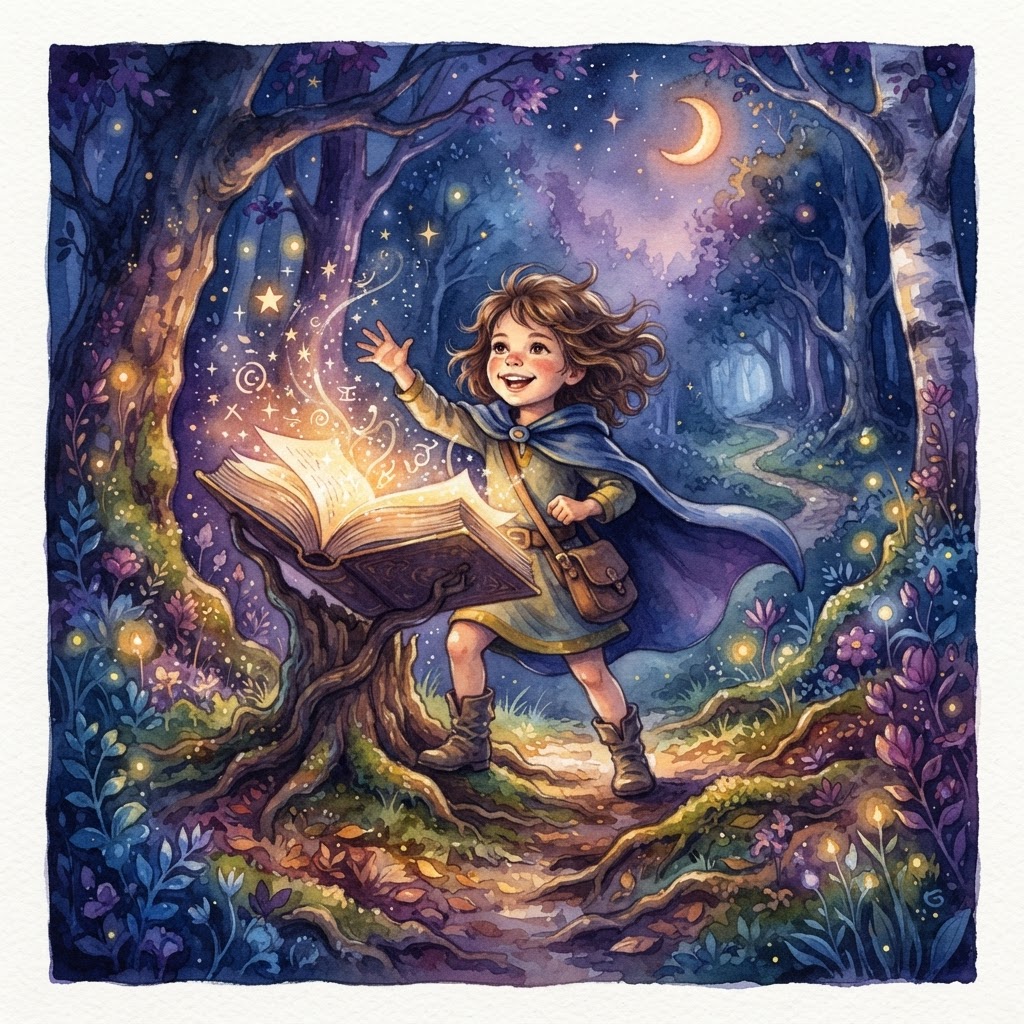
Yes. Stories that cast a child as the protagonist strengthen self-esteem and identity because children process self-referential narrative more deeply, internalizing the character's positive traits and problem-solving as their own. Seeing yourself succeed in a story is a low-risk rehearsal for believing you can succeed in life.
Why does being the hero of a story affect a child's self-image?
The brain encodes self-referential information — anything about 'me' — more deeply and durably than neutral information, a finding consistent across cognitive-development research. When a child is the protagonist who shows bravery, kindness, or cleverness, they process those traits self-referentially and are more likely to integrate them into their self-concept. In plain terms: a child who repeatedly experiences themselves as brave in stories starts to describe themselves as brave, and then to act brave.
What does developmental psychology say about self-referential stories?
Developmental research on narrative and identity shows that the stories children hear and tell about themselves shape their self-concept. Self-referential narrative — where the child is the central agent — is a particularly powerful form, because it pairs the engagement of storytelling with the encoding boost of self-reference. The Child Mind Institute notes that a child's self-narrative is a core building block of confidence and resilience, which is exactly the lever personalized stories pull.
Can personalized stories help with confidence and resilience?
Yes, by giving children repeated, safe rehearsal of overcoming challenges. A personalized story where the child-character faces a fear (the dark, the first day of school, a mistake) and resolves it through their own effort is a low-stakes simulation of resilience. The child experiences success in the narrative before attempting it in life, which makes the real-world attempt feel more possible. This is the same mechanism behind bibliotherapy, used clinically to help children with anxiety.
Do personalized stories help children process difficult emotions?
Yes — and this is one of their strongest uses. A story starring the child, facing the exact emotion they're struggling with (jealousy of a sibling, grief after a move, fear of failure), gives them language and a model for that feeling. Because the child is the protagonist, the emotional processing is self-referential and deeper than with a generic character. Organizations like Zero to Three emphasize naming emotions and modeling healthy responses as core to early emotional development — personalized stories do both at once.
How can parents use personalized stories to build identity?
Three habits: (1) choose stories where the child solves the problem themselves (not rescued by an adult) — agency builds self-efficacy; (2) rotate the trait you highlight — bravery one night, kindness the next — so the child builds a rich, multi-faceted self-concept rather than a single label; (3) occasionally let the child co-create the story parameters, which makes the identity-building participatory. A tool like InstaTales makes this trivial — generate a story starring your child facing tomorrow's challenge tonight.
Frequently Asked Questions
Do personalized stories really increase a child's confidence?
Yes. Repeatedly experiencing themselves as the problem-solver in a story helps children internalize agency and competence, which transfers to real-world confidence.
What age sees the biggest self-esteem benefit from personalized stories?
Ages 3–8, when self-concept is forming and children are highly responsive to self-referential narrative. Older children still benefit, especially around identity-relevant challenges.
Can personalized stories help a child through anxiety or fear?
Yes — this is bibliotherapy. A story where the child-character faces and resolves the same fear models a coping path, which reduces anxiety through narrative exposure.
Is it healthy for a child to always be the main character?
In moderation, yes. Rotate protagonists — sometimes the child, sometimes others — so they also learn empathy and perspective-taking alongside self-confidence.
Related: Personalized AI Stories: Child as Hero · How Personalized Stories Build Emotional Connections · Addressing Childhood Fears Through Stories
Get a new bedtime story every week
Free, personalized, and delivered to your inbox. No spam, ever.
Ready to Create a Personalized Bedtime Story?
Use our free AI bedtime story generator to create a personalized illustrated story for your child in 30 seconds — no credit card needed.
Popular story types:
Maya Rodriguez
Lead Content Editor & Early Literacy Specialist
Maya is a former early childhood educator and literacy specialist with over a decade of experience helping children develop a love of reading. She leads content at InstaTales, where she writes about the science of storytelling, child development, and how families can use personalized AI stories to build literacy and emotional resilience.
instatales.ai