Picture Books vs Chapter Books: When to Switch
When should your child move from picture books to chapter books? Here's a guide to making the transition at the right time.
✦ Key Takeaways
- •The main difference is not just length.
- •Most children begin transitioning to chapter books sometime between ages 5 and 8, but readiness matters more than age.
- •Children are often ready for chapter books when they show curiosity, stamina, and growing independence with text.
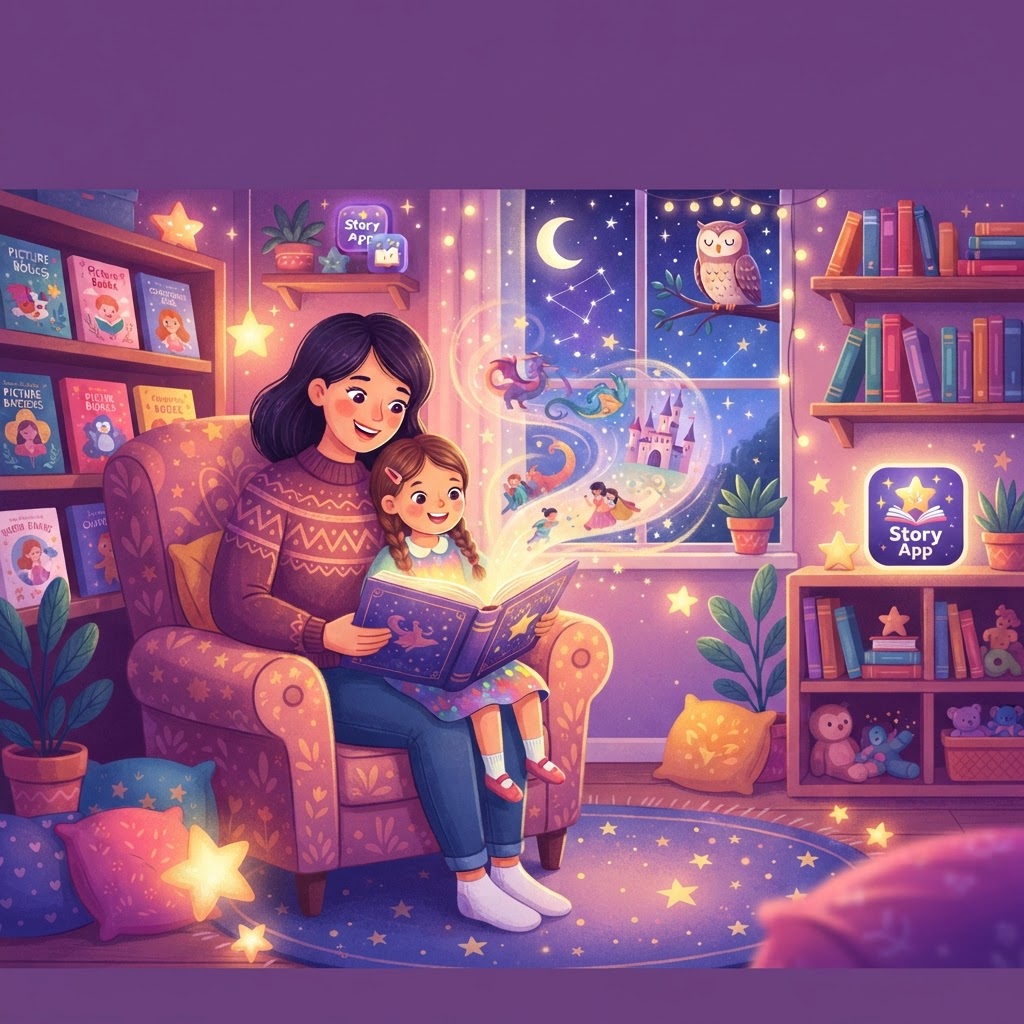
Every child reaches the picture books vs chapter books stage a little differently. There is no magic age when a child should stop loving illustrated stories and suddenly start reading longer books. The better question is not, “How old is my child?” but, “What does my child’s reading development look like right now?”
That matters because reading levels for kids develop in uneven, very human ways. A child may decode simple text well but still need pictures for comprehension. Another may listen happily to long read-alouds long before they can read a chapter book alone. This guide will help you spot readiness, choose strong first books, and make transitioning to chapter books feel exciting instead of stressful.
What is the real difference between picture books and chapter books?
The main difference is not just length. Picture books rely heavily on illustrations to support meaning, while chapter books ask children to carry more of the story through text, memory, and imagination.
Picture books usually have fewer words per page, more visual clues, and a story structure that can be completed in one sitting. Chapter books often have:
- Short chapters
- Fewer illustrations
- More developed plots
- More characters to track
- Greater stamina demands
That does not mean chapter books are always “harder” in every way. Some picture books use rich vocabulary and complex themes. Some early chapter books use very simple sentences. In other words, reading levels for kids do not map neatly onto format alone.
Research on early literacy shows that shared reading builds vocabulary, comprehension, and print awareness long before independent reading is fluent. The National Institute of Child Health and Human Development and Reading Rockets both emphasize that strong reading development depends on both language comprehension and word recognition.
When should children start transitioning to chapter books?
Most children begin transitioning to chapter books sometime between ages 5 and 8, but readiness matters more than age. The right time is when a child can follow a longer story, tolerate fewer pictures, and stay motivated even when reading takes more effort.
A helpful way to think about this comes from reading development research. Jeanne Chall’s stages of reading describe a gradual move from “pre-reading” and beginning decoding into more fluent reading. Children do not jump from one stage to another overnight. They build stamina, comprehension, and confidence over time.
Shared reading research also supports a gradual path. The American Academy of Pediatrics has long recommended reading aloud because it supports language growth, attention, and later literacy. That means listening to chapter books can be developmentally appropriate even before reading them independently.
So if your child still loves picture books, that is not a sign they are “behind.” It may simply mean those books still match their current needs, interests, or energy level.
What signs show that your child is ready for chapter books?
Children are often ready for chapter books when they show curiosity, stamina, and growing independence with text. You are looking for a cluster of signs, not just one.
Common signs of readiness include:
- They can sit through longer read-alouds without losing the thread
- They ask what happens next and remember story details
- They notice chapters, page numbers, or series books
- They can decode many simple words on their own
- They rely less on pictures to understand basic plot
- They enjoy returning to the same characters across multiple stories
You may also notice emotional readiness. Some children want stories that feel more “grown up” but still need simple language and predictable structure. That is often the sweet spot for early chapter books.
If your child becomes frustrated by dense pages, skips lines, or loses comprehension quickly, they may need more time. In that case, continue with picture books, early readers, or mixed-format books. Our guides to longer or shorter stories for kids and when reading time matters most can help you match story length to your child’s energy and focus.
How do you choose first chapter books that build confidence?
The best first chapter books are easy enough to feel successful but interesting enough to keep a child turning pages. Confidence matters more than ambition at this stage.
Look for first books with:
- Large font
- Short chapters
- Plenty of white space
- Some illustrations
- Familiar topics or humor
- Clear, linear plots
- Repetition or predictable phrasing
Series books are especially useful because they reduce cognitive load. Once a child knows the world and characters, they can spend more energy on reading itself. This is one reason many educators recommend early series for emerging readers.
When choosing books, think beyond labels like “age 6-8.” Those are broad marketing categories, not precise measures of readiness. If you are unsure, try the “read-aloud first, independent second” approach: read the first chapter together and see whether your child can manage a page or two alone.
For some families, format also matters. A child who resists print may respond well to a digital story if distractions are low and text is clean. If you are weighing that choice, this research-based guide on print or digital reading can help.
How can you make the switch from picture books to chapter books feel gradual?
The smoothest transition is usually a blended one. You do not need to stop picture books in order to start chapter books.
Try a gradual progression like this:
- Keep picture books in regular rotation
- Add early readers or heavily illustrated chapter books
- Read one chapter aloud each night
- Let your child read easy dialogue or repeated phrases
- Alternate between child-chosen comfort books and new longer books
This approach works because reading stamina develops like any other skill: through manageable practice. Children do better when challenge is balanced with success.
You can also “layer” support:
- Preview the chapter title and illustrations
- Briefly recap what happened last time
- Ask one or two simple comprehension questions
- Stop before frustration rises too high
For many families, bedtime is an ideal time for chapter-book read-alouds because listening comprehension is often ahead of decoding ability. But some children focus better earlier in the day. If you want to adjust the routine, explore more options on the InstaTales blog, where reading habits are discussed in practical, family-friendly ways.
How can AI stories help with transitioning to chapter books?
AI stories can be a useful bridge when they are used thoughtfully. They let you control length, vocabulary, themes, and familiarity, which can make transitioning to chapter books feel less intimidating.
A personalized story works well because it can start with picture-book style simplicity and then slowly add chapter-book features:
- Slightly longer scenes
- A continuing plot across sections
- Familiar characters, including your child
- Repeated language patterns
- Gentler illustration support over time
For example, you might create your own personalized bedtime story with a child’s favorite animal, best friend, or hobby, then generate slightly longer versions over several weeks. That gives your child practice following a bigger story arc while staying emotionally anchored in something familiar.
AI can also support re-reading, which is important for fluency and confidence. If a story clicks, save it in your story library and revisit it later. Re-reading helps children notice new words, strengthen recall, and feel mastery.
The key is to use AI as a support, not a shortcut. Adults still matter most. Talk about the story, pause for predictions, and notice when your child needs more pictures, less text, or shorter sessions. If you want to compare different visual formats as you experiment, this article on illustration styles for children’s stories adds helpful context.
What should parents remember most about reading levels for kids?
The biggest takeaway is simple: reading levels for kids are guides, not deadlines. A child can be ready to listen to chapter books before reading them alone, and they can still benefit from picture books long after they start longer texts.
Reading researchers and literacy educators consistently emphasize that motivation, comprehension, oral language, and decoding all matter. The National Association for the Education of Young Children notes that children benefit most when books are matched to both developmental stage and personal interest. That is why forcing harder books too soon often backfires.
If your child is engaged, understood, and growing, you are on the right track. The goal is not to leave picture books behind quickly. The goal is to raise a child who sees reading as joyful, meaningful, and doable.
Frequently Asked Questions
What age do kids usually move from picture books to chapter books?
Many children begin the shift between ages 5 and 8. But readiness depends more on attention, comprehension, and confidence than on age alone.
Can a child read chapter books and still enjoy picture books?
Yes, absolutely. Many strong readers continue to enjoy picture books for humor, comfort, vocabulary, and beautiful storytelling.
What if my child can decode words but does not understand longer books?
That usually means comprehension and stamina are still catching up. Keep reading aloud, discuss the story, and choose shorter chapter books with simpler plots.
Are illustrated chapter books better for first-time chapter book readers?
Often, yes. Illustrations reduce cognitive load and help children follow the story while they build confidence with longer text.
Can personalized AI stories really support reading development?
They can, especially when adults adjust length, vocabulary, and structure to fit the child. The most effective use is interactive: read together, talk about the story, and gradually increase complexity.
Should I stop reading aloud once my child starts chapter books?
No. Reading aloud remains valuable even after independent reading begins. It supports vocabulary, listening comprehension, and a love of stories at higher levels than a child may read alone.
Ready to Create a Personalized Bedtime Story?
Use our free AI bedtime story generator to create a personalized illustrated story for your child in 30 seconds — no credit card needed.
Popular story types:
Maya Rodriguez
Lead Content Editor & Early Literacy Specialist
Maya is a former early childhood educator and literacy specialist with over a decade of experience helping children develop a love of reading. She leads content at InstaTales, where she writes about the science of storytelling, child development, and how families can use personalized AI stories to build literacy and emotional resilience.
instatales.ai