Preparing Kids for Moving to a New Home
Prepare your child for moving to a new home with stories that demystify the experience and build confidence. Tips, story ideas, and reading strategies.
✦ Key Takeaways
- •Yes—stories can make moving feel less scary because they turn change into something a child can picture and talk about.
- •Before the move, talk early, honestly, and simply.
- •During the move, focus on reassurance, sensory comfort, and simple updates.
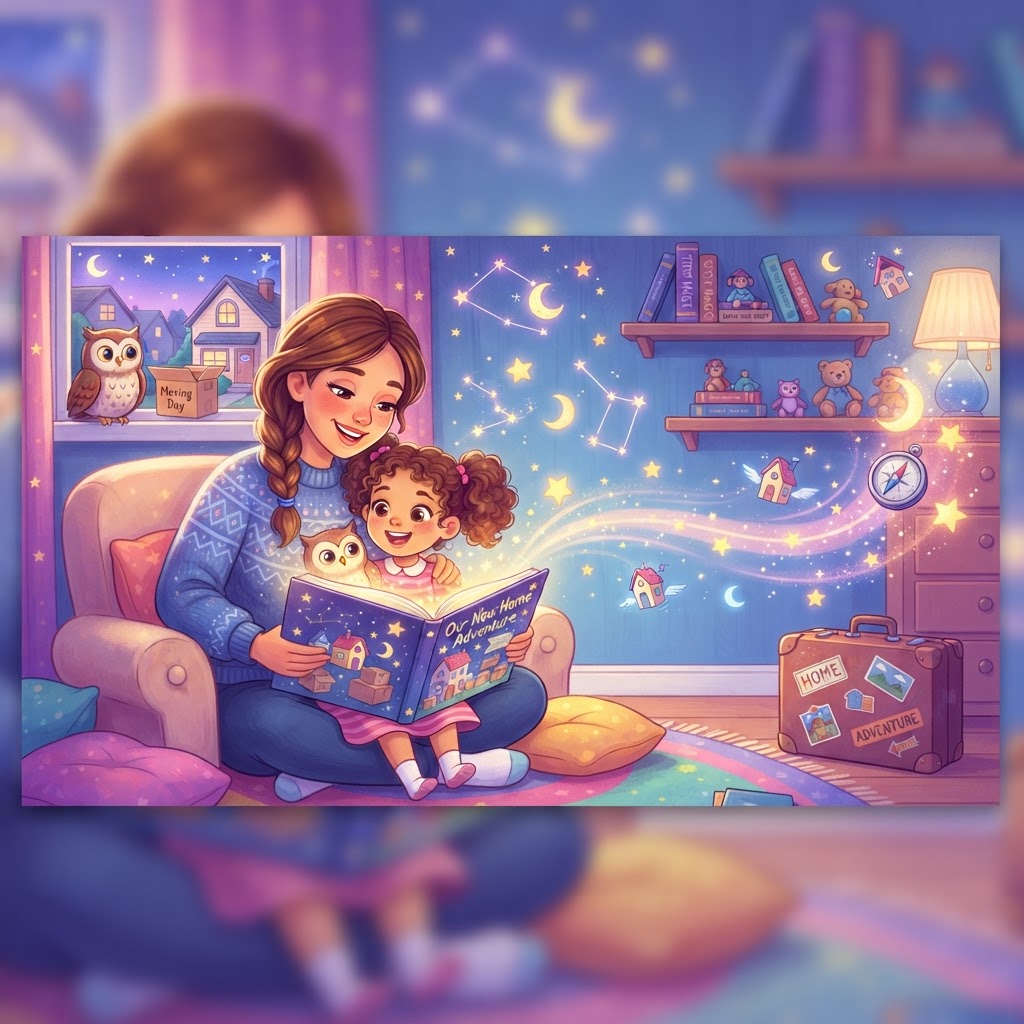
Moving house is a big change for a child, even when the move is positive for the whole family. Preparing kids for moving to a new home works best when you explain what will happen, give space for feelings, and use stories to make the unknown feel more familiar. For young children especially, a gentle moving to a new home story can turn a confusing life event into something understandable, predictable, and even hopeful.
Stories help because they let children rehearse change safely. A child can see a character worry, ask questions, miss their old room, and slowly adjust. That matters: child development experts at the American Academy of Pediatrics and Zero to Three both emphasize that young children cope better with transitions when caring adults provide simple explanations, routines, and emotional support. If your child is also facing other big changes, you may find it helpful to explore guides on starting school through stories and more resources on the InstaTales blog.
Why can stories help children cope with moving to a new home?
Yes—stories can make moving feel less scary because they turn change into something a child can picture and talk about. A good story gives children language for feelings, models coping skills, and shows that missing the old home and liking the new one can both be true.
Young children often think in concrete images. Saying “We’re relocating next month” means little. But a story about a child packing favorite toys, saying goodbye to a bedroom wall, and finding a cozy reading corner in a new house is easy to understand.
Stories also support emotional regulation. Research from the Center on the Developing Child at Harvard University shows that children handle stress better when adults help them build predictability and supportive relationships. Reading together does both.
When choosing moving to a new home children books or personalized stories, look for ones that:
- Name common feelings like excitement, sadness, anger, and worry
- Show what will happen step by step
- Include familiar routines, objects, or people
- End with connection and safety, not forced happiness
What should you talk about before the move?
Before the move, talk early, honestly, and simply. Children do best when they know what is changing, what is staying the same, and when they can ask the same question more than once.
Start with the basics:
- Why you are moving, in child-friendly words
- When it will happen
- What the new home will be like
- What will stay the same, such as family, bedtime, favorite toys, and school plans if known
Keep explanations short. For example: “We are moving to a new home in two weeks. We will bring your bed, your books, and your blue blanket. We will still have stories every night.”
This is also the best time to use moving to a new home preparation stories. Read stories that show packing, saying goodbye, visiting the new place, or feeling unsure. You can also invite your child to help make a simple countdown calendar, draw their old room, or choose one special item to keep close on moving day.
If your child likes repeated reading, re-read the same story often. Repetition helps children process events and feel mastery over them.
What should you talk about during moving day and the transition?
During the move, focus on reassurance, sensory comfort, and simple updates. On a busy moving day, children need short explanations more than long discussions.
Tell your child what is happening in real time:
- “Now the movers are taking the boxes.”
- “Your backpack stays with us.”
- “After lunch, we will drive to the new house.”
- “Tonight we will sleep together in your new room.”
Moving day can feel chaotic, so protect a few anchors. Keep one bag with familiar comfort items, snacks, pajamas, and favorite books. If possible, maintain key routines such as the usual nap, bedtime song, or story.
A personalized moving to a new home story can help here too. Read it the night before and again on the first night in the new house. If you want a quick, child-specific story, you can create your own personalized bedtime story with your child’s name, age, feelings, favorite toy, and details about the new home. Using story templates can make this even easier when time is tight.
What should you talk about after you arrive?
After the move, keep talking even if your child seems fine. Adjustment often happens in stages, and big feelings may show up days or weeks later.
Children need permission to miss the old home. Say things like, “It makes sense that you miss your old room,” or “You can feel sad and still be safe here.” Avoid rushing them to “be excited.”
Helpful conversations after the move include:
- What feels familiar in the new home?
- What feels different?
- What do you miss?
- What could help this place feel cozy?
- What are you curious about in the new neighborhood?
This is a great time to build new rituals. You might have a “first pancake breakfast,” a neighborhood walk, or a nightly check-in story. Saving favorite stories in your story library makes it easy to re-read the same comforting stories as your child settles in.
If your child’s worries spill into other transitions, our guide to moving stories for kids can offer more ideas.
What kinds of stories best prepare kids for moving to a new home?
The best stories are realistic, warm, and emotionally balanced. They do not pretend moving is always fun; they show that hard feelings can be handled with support.
Here are 5 story ideas that model coping well:
1. The child who packs feelings into boxes
A child labels boxes not just with toys and clothes, but with feelings: “excited,” “nervous,” “sad,” and “curious.” This helps children see that mixed emotions are normal.
2. The favorite toy who goes first
A stuffed animal “checks” the new house and reports back that there is room for bedtime stories, cuddles, and new adventures. This works especially well for toddlers and preschoolers.
3. The goodbye tour
A family visits favorite places one last time—the park, the window seat, the bakery—and creates a memory book. This story models healthy closure instead of sudden loss.
4. The first-night wobble
A child feels unsure in the new bedroom, but the family recreates familiar bedtime routines. This shows that routines travel with you, even when addresses change.
5. The new-neighborhood discovery map
A child slowly finds one good thing each day: a friendly tree, a puddle to splash in, a library, a new friend. This helps children focus on gradual adjustment instead of instant happiness.
If you are looking for moving to a new home children books, choose titles that match your child’s age and temperament. Some children want practical stories; others prefer imaginative ones. Personalized stories often work well because the details feel immediately relevant.
How can you use stories as conversation starters instead of just entertainment?
Use stories to open the door to discussion, not to lecture. The best approach is to read, pause, and invite your child to notice, predict, or relate.
Try questions like:
- “How do you think the character feels here?”
- “What would you pack first?”
- “What do you think they will miss?”
- “What could help them feel better tonight?”
- “Does any part of this feel like our move?”
You can also use play after reading. Ask your child to move toy animals from one block house to another, pack a doll’s bag, or draw the old and new homes. These activities reveal worries children may not say directly.
The National Child Traumatic Stress Network notes that children often communicate stress through behavior and play. Stories give adults a gentle way to listen without pressure.
How can you create personalized moving stories with InstaTales?
InstaTales makes it easy to create stories that reflect your child’s real move. Personalized stories can be especially effective because they include the exact details your child is trying to understand.
To create one, include:
- Your child’s name and age
- The reason for the move
- The child’s likely feelings
- Familiar comfort objects
- Real features of the new home or neighborhood
- The coping skill you want to model, such as asking questions or keeping routines
For example, you might generate a story about “Maya, her green dinosaur, and the first night in a new apartment.” Keep the tone calm, specific, and hopeful. Avoid overly dramatic plots if your child is already anxious.
A simple formula works well:
- Beginning: We are moving soon.
- Middle: Packing, questions, and big feelings happen.
- End: Love, routines, and new discoveries help the child settle.
You can then save favorite versions in your story library, revisit them at bedtime, and adjust future stories as your child’s feelings change. Teachers and counselors supporting children through transition may also find InstaTales for teachers useful for classroom storytelling and social-emotional learning.
How can parents tell whether stories are helping?
You will usually see small signs before big ones. Stories are helping when your child starts asking clearer questions, naming feelings more easily, or repeating reassuring parts of the story during the day.
Other positive signs include:
- Less resistance around move-related talk
- More pretend play about houses, packing, or neighborhoods
- Improved bedtime calm
- Greater interest in exploring the new home
If distress becomes intense or long-lasting—such as persistent sleep problems, regression, extreme clinginess, or frequent physical complaints—check in with your pediatrician or a child mental health professional. Support is part of good preparation, not a sign of failure.
Frequently Asked Questions
When should I start preparing my child for moving to a new home?
Start as soon as plans are reasonably certain. Young children benefit from having time to hear the news more than once and ask repeat questions.
Are personalized stories better than regular moving to a new home children books?
Both can help. Personalized stories feel especially relevant, while published books can introduce fresh language, characters, and coping ideas.
What if my child says they do not want to move?
Acknowledge the feeling directly and stay calm. You do not need to convince them right away; feeling upset is a normal part of preparing kids for moving to a new home.
How often should we read moving to a new home preparation stories?
Daily reading is often helpful in the weeks around a move. Re-reading the same story can be soothing because repetition builds familiarity and confidence.
Can stories help after the move too?
Yes. After the move, stories can help children process what happened, name what they miss, and notice what is beginning to feel safe or enjoyable.
What should I include in a moving to a new home story for my child?
Include familiar details, honest feelings, simple coping strategies, and a reassuring ending. The goal is not to promise perfection, but to show that change can be handled with love and support.
Ready to Create a Personalized Bedtime Story?
Use our free AI bedtime story generator to create a personalized illustrated story for your child in 30 seconds — no credit card needed.
Popular story types:
Maya Rodriguez
Lead Content Editor & Early Literacy Specialist
Maya is a former early childhood educator and literacy specialist with over a decade of experience helping children develop a love of reading. She leads content at InstaTales, where she writes about the science of storytelling, child development, and how families can use personalized AI stories to build literacy and emotional resilience.
instatales.ai