Stories from Europe for Children
Travel to Europe through these enchanting stories for children — tales of adventure, wisdom, and wonder from around the world.
✦ Key Takeaways
- •Stories from Europe are engaging because they combine familiar childhood themes with rich cultural variety.
- •Europe storytelling has been shaped by oral tradition, local geography, and community life.
- •The best Europe story ideas for children are simple, sensory, and rooted in real places.
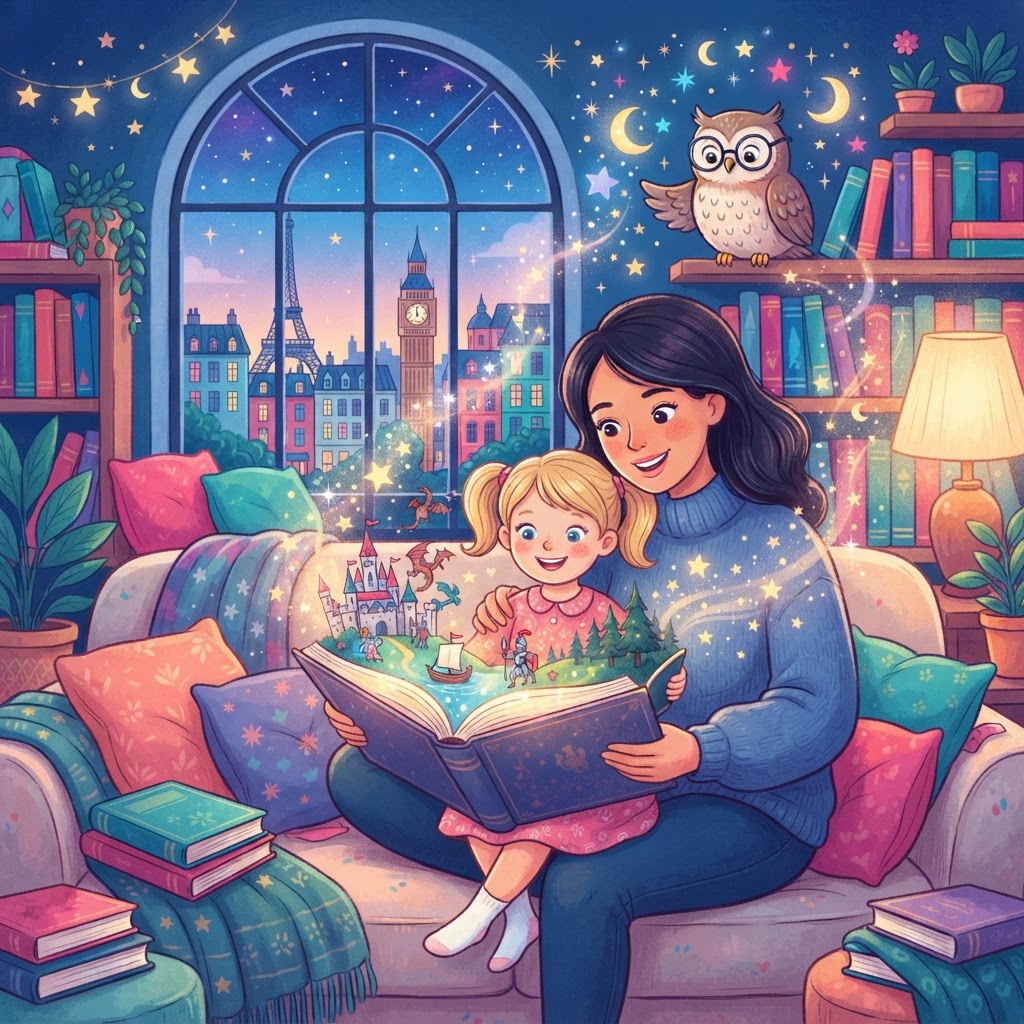
From snowy forests in the north to sunny islands in the south, stories from Europe give children a gentle way to travel through culture, history, and imagination. These tales can introduce castles, mountains, rivers, old towns, family traditions, and local values—while still feeling cozy enough for bedtime. If you are looking for Europe children stories that are both magical and meaningful, this guide will help you choose age-appropriate ideas and turn them into personalized adventures.
What makes stories from Europe so engaging for children?
Stories from Europe are engaging because they combine familiar childhood themes with rich cultural variety. Children hear about friendship, courage, kindness, and curiosity, but they experience those ideas through new landscapes, foods, music, and traditions.
Europe’s storytelling heritage is wide and varied. A child might meet:
- a lighthouse keeper on the Atlantic coast
- a shepherd in the Alps
- a child rowing across a quiet Nordic lake
- a baker in a cobbled village square
- a traveler on a train crossing snowy mountains
That variety matters. New settings help children build background knowledge, which supports comprehension and vocabulary. The American Academy of Pediatrics has long encouraged shared reading because it supports language, bonding, and early literacy development. Warm, back-and-forth story time also fits what the Harvard Center on the Developing Child describes as strong early brain-building experiences.
For parents, Europe tales for kids are useful because they can be imaginative without feeling too distant. Many European folktales include repetition, clear lessons, and memorable symbols—perfect for young listeners.
How have Europe’s storytelling traditions shaped children’s tales?
Europe storytelling has been shaped by oral tradition, local geography, and community life. Before stories were printed, they were told aloud in homes, markets, farms, fishing villages, and around winter fires.
Across Europe, storytelling traditions often reflect the land itself:
- Northern Europe often features long winters, forests, lakes, and themes of endurance.
- Mediterranean regions bring in sea voyages, olive trees, sunlight, hospitality, and clever problem-solving.
- Central and Eastern Europe often include village life, rivers, craft traditions, and strong family bonds.
- Mountain regions like the Alps tend to feature animals, weather, travel, and resilience.
These tales were not originally made just for children. Many began as community stories that taught practical lessons: be careful in the forest, help your neighbors, respect nature, keep promises, or stay hopeful in hard seasons. Over time, many were adapted into gentler bedtime versions.
Europe also has a deep folktale record. If your child enjoys classic motifs like enchanted woods and clever helpers, you might also like these folktales from Europe. And if your family enjoys exploring world cultures through bedtime reading, it can be fun to compare them with stories from Asia, too.
For cultural accuracy, it helps to remember that Europe is not one single tradition. A story inspired by Greece, Finland, Portugal, or Poland should feel distinct. The UNESCO Intangible Cultural Heritage project is a helpful reminder that songs, festivals, crafts, and oral storytelling traditions are living parts of community identity.
Which Europe tales for kids can you try tonight?
The best Europe story ideas for children are simple, sensory, and rooted in real places. Start with one strong setting, one warm-hearted problem, and one cultural detail that helps the story feel authentic.
A lantern adventure on Portugal’s Atlantic coast
A child in Lisbon helps relight a row of tiny harbor lanterns before fog rolls in. Along the way, they meet a baker carrying warm custard tarts, a sailor who knows star paths, and a grandmother who remembers old sea songs.
Cultural context: Portugal’s coastline and seafaring history make it a wonderful setting for children’s stories. You can gently draw on maritime themes, tiled streets, and the importance of ports without turning the story into a history lesson.
A reindeer trail beneath the northern lights
In far northern Scandinavia, a child follows reindeer tracks through sparkling snow to return a lost mitten before a winter feast. The sky glows green above, and the child learns to move quietly, listen carefully, and respect the Arctic world.
Cultural context: Northern Europe’s long winters, snow, and aurora make a magical backdrop. If drawing inspiration from Sámi regions, keep details respectful and age-appropriate, focusing on nature, seasonal rhythms, and community rather than borrowing sacred or stereotyped elements.
A mountain train through the Alps
A nervous young traveler boards a train through the Alps and must deliver a tiny bell to a village festival before sunset. Tunnels, meadows, marmots, and snowy peaks turn the journey into a brave little quest.
Cultural context: Alpine stories work well because geography drives the plot. Mountain passes, weather changes, and close-knit village life reflect parts of Switzerland, Austria, and nearby regions where travel and nature shape daily routines.
The olive tree promise on a Greek island
A child promises to water the oldest olive tree in the village while their grandfather is away. When dry winds arrive, neighbors come together with songs, stories, and clever ideas to protect the tree.
Cultural context: Greek-inspired tales often shine when they center on island life, hospitality, family ties, and the Mediterranean landscape. Olive trees, fishing boats, whitewashed houses, and village gatherings help children picture the setting clearly.
The secret of the river market on the Danube
In a riverside town, a child loses a ribbon meant for a festival dance and searches market stalls, bridges, and boats to find it before music begins. Each person they meet offers a clue—and a small lesson in kindness.
Cultural context: The Danube connects many parts of Europe, making it a strong setting for a cross-cultural tale. A story like this can introduce river travel, market traditions, music, and the way European cities grew around waterways.
How can Europe storytelling support children’s learning and development?
Europe storytelling supports learning by building language, empathy, memory, and cultural awareness. A well-told story helps children hear new words, understand sequence, and imagine another person’s experience.
Research on shared reading consistently shows benefits for vocabulary and comprehension. The American Academy of Pediatrics highlights reading aloud as part of healthy development, and dialogic reading research by Grover Whitehurst and colleagues shows that children learn more when adults ask open-ended questions during stories.
You can make stories from Europe more educational by asking:
- “What clues tell us this story happens near the sea?”
- “How is this village different from ours?”
- “What would you pack for the mountain train?”
- “Why do you think the character helped a neighbor?”
For classrooms, these stories also support geography and social studies. A Europe-themed story week can pair maps, music, art, and read-alouds in a child-friendly way.
How can you create personalized stories from Europe with InstaTales?
InstaTales makes Europe storytelling personal by letting you place your child inside the setting. Instead of a generic traveler, your child can become the lantern keeper, mountain passenger, or island helper.
A simple way to begin is to create your own personalized bedtime story using three ingredients:
- a European setting: Lisbon harbor, Alpine train, Greek island, Nordic forest
- a child-friendly goal: find something lost, help a friend, carry a message
- a comforting tone: cozy, adventurous, sleepy, funny, or gentle
If you want a faster start, browse the ready-made story templates. They are especially useful when you know the mood you want but need help shaping the plot.
To make the story feel more real, add a few specific details:
- the child’s name and age
- a favorite animal or snack
- one landmark or landscape feature
- one value to highlight, like bravery or kindness
After you generate a story, save it in your story library so you can revisit favorite settings or build a whole Europe-themed bedtime collection. Many families enjoy making a mini “story passport,” where each week features a new place and a new tale.
Frequently Asked Questions
What age are stories from Europe best for?
Stories from Europe can work for ages 1-10 when the language and plot are adjusted well. Younger children usually enjoy short, repetitive tales, while older children can handle richer cultural details and longer adventures.
Are Europe children stories good for bedtime?
Yes, they can be excellent for bedtime when the tone is calm and reassuring. Choose gentle stakes, clear endings, and cozy sensory details like lantern light, snow, rain, or village music.
How do I make Europe tales for kids culturally respectful?
Use real places, accurate details, and avoid turning cultures into costumes or clichés. It helps to focus on everyday life, geography, food, family routines, and values rather than stereotypes.
Can personalized Europe storytelling help children learn geography?
Yes. Personalized stories make places easier to remember because children connect emotions to the setting. A child who “rode” through the Alps in a story is more likely to recall mountains, trains, and the region later.
What should I include in a personalized story set in Europe?
Start with one place, one simple goal, and two or three authentic details. That might be a harbor in Portugal, an olive grove in Greece, or a snowy forest in the north, plus your child’s name and favorite things.
Ready to Create a Personalized Bedtime Story?
Use our free AI bedtime story generator to create a personalized illustrated story for your child in 30 seconds — no credit card needed.
Popular story types:
Maya Rodriguez
Lead Content Editor & Early Literacy Specialist
Maya is a former early childhood educator and literacy specialist with over a decade of experience helping children develop a love of reading. She leads content at InstaTales, where she writes about the science of storytelling, child development, and how families can use personalized AI stories to build literacy and emotional resilience.
instatales.ai