Unicorns Stories for Kids: Magical Tales & Facts
Delightful unicorns stories for kids — plus real fun facts woven into each tale. Perfect for young animal lovers who love a good story.
✦ Key Takeaways
- •Children love unicorn stories because they combine fantasy with familiar feelings like bravery, kindness, and friendship.
- •Unicorns are mythical, but many unicorn legends likely grew from real animals.
- •The best unicorn story ideas are simple, visual, and built around one emotional theme.
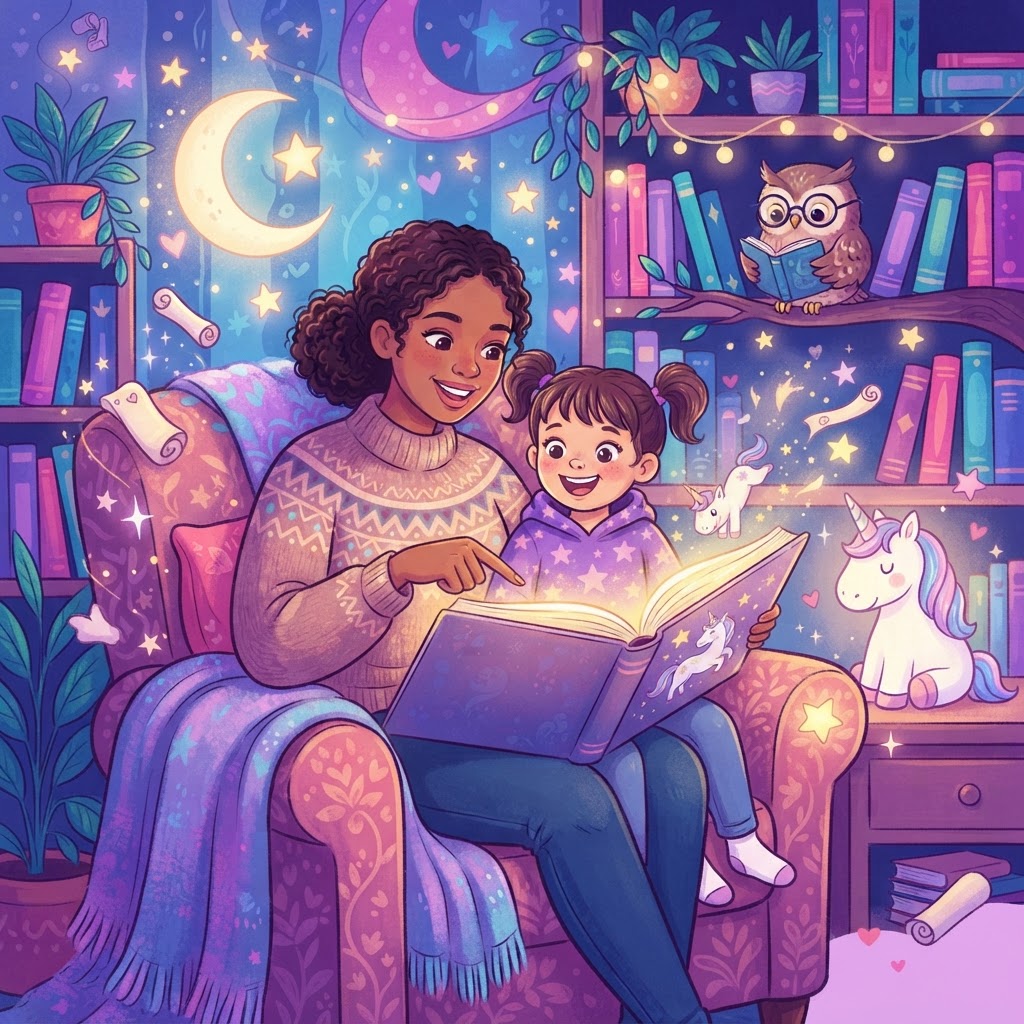
Unicorns stories for kids work so well because they mix comfort, wonder, and curiosity in one gentle package. A child can follow a sparkling unicorn through moonlit forests, then quietly learn a real fact about a narwhal, rhino, or horse along the way. If you want unicorns bedtime stories that feel magical but still teach something true, this guide shares easy story ideas, fun animal facts, and simple prompts you can use to create your own personalized bedtime story with InstaTales.
Why are unicorns stories for kids so captivating?
Children love unicorn stories because they combine fantasy with familiar feelings like bravery, kindness, and friendship. For ages 1-10, magical creatures often make big emotions feel safe and easier to explore.
From a child development perspective, this makes sense. The American Academy of Pediatrics has long highlighted the value of shared reading for language growth, attention, and parent-child connection. Research on dialogic reading by Grover Whitehurst and colleagues also shows that children learn more when adults ask simple questions during a story.
That is why stories about unicorns can do more than entertain. They can help children:
- build vocabulary through repeated story patterns
- practice empathy through caring characters
- stay engaged with gentle suspense and happy endings
- connect fantasy to real-world learning through animal facts
If your child already enjoys hoofed heroes, you might also like these horse adventures with fun facts.
What real animals may have inspired unicorn legends?
Unicorns are mythical, but many unicorn legends likely grew from real animals. The best inspiration comes from creatures with horns, tusks, flowing movement, or unusual beauty.
The most famous real-life “unicorn” is the narwhal. According to Smithsonian Ocean, a narwhal’s long spiral “horn” is actually a tooth. Rhinos also shaped old horned-animal myths, and the San Diego Zoo Wildlife Alliance explains that rhino horns are made of keratin, the same material found in human fingernails.
Horses matter too. Much of the modern unicorn image—a graceful body, mane, hooves, and galloping motion—clearly comes from horses. So when you create unicorns tales children will enjoy, it helps to blend magic with real facts from narwhals, rhinos, horses, deer, and other remarkable animals.
Which unicorns tales children will want to hear tonight?
The best unicorn story ideas are simple, visual, and built around one emotional theme. Each idea below includes a magical setup, 1-2 real animal facts, and an AI prompt you can use right away.
1. Moonbeam and the Sea Unicorn
Moonbeam, a shy forest unicorn, hears singing from the frozen sea and meets a glowing narwhal who helps lost animals find their way home by listening to the water. Together, they guide a baby seal back to its family under the northern lights.
- Real facts to weave in:
- Narwhals are real Arctic whales.
- Their famous “horn” is actually a long tooth with sensory abilities, as noted by Smithsonian Ocean.
- AI prompt:
Write a calm bedtime story for a 4-year-old about a unicorn named Moonbeam who meets a narwhal in the Arctic. Include the fact that a narwhal’s horn is really a tooth, and end with a cozy reunion.
2. Clover and the Keratin Crown
Clover the unicorn thinks her horn has lost its sparkle, so she visits a wise rhinoceros who teaches her that strength does not come from glitter. When a storm frightens the meadow animals, Clover learns to lead with calm courage instead of flashy magic.
- Real facts to weave in:
- Rhino horns are made of keratin, like fingernails.
- Rhinos can move surprisingly fast, even with their large size.
- AI prompt:
Create a reassuring story about a unicorn and a rhinoceros teaching each other about real strength. Mention that rhino horns are made of keratin and keep the tone gentle, not scary.
3. Star Mane and the Listening Ears
Star Mane wants to win the Moon Meadow race, but she keeps missing clues along the path. An old pony shows her that good listeners notice more than fast runners do, and Star Mane learns to use her ears, eyes, and heart.
- Real facts to weave in:
- Horses often turn their ears to show what they are listening to.
- Horses are social animals and usually feel safer with companions.
- AI prompt:
Write a sweet unicorn story for early readers about a race where listening matters more than winning. Include real horse facts about ear movements and herd friendship.
4. The Snowy Trail of Silver Hooves
A winter unicorn follows mysterious tracks through the forest and meets a reindeer family carrying lantern moss to animals sheltering from the cold. The unicorn learns that everyone has a job in winter, even the smallest helper.
- Real facts to weave in:
- Reindeer are well adapted to snowy, cold environments.
- In reindeer, both males and females can grow antlers.
- AI prompt:
Tell a winter bedtime story about a unicorn helping reindeer deliver supplies in a snowy forest. Include the fact that both male and female reindeer can grow antlers.
5. Petal Horn and the Secret Meadow
Petal Horn discovers a hidden garden where zebra-striped flowers lead her to an okapi who feels too shy to join the forest festival. With patience and kindness, Petal Horn helps the okapi share its special talents.
- Real facts to weave in:
- Okapis have striped legs that help them blend into light and shadow.
- They are relatives of giraffes, not zebras, according to the Smithsonian’s National Zoo & Conservation Biology Institute.
- AI prompt:
Write a gentle story about a unicorn meeting an okapi in a secret meadow. Explain that okapis have stripes for camouflage and are related to giraffes.
6. Dawn Whisper and the Meadow Babies
Dawn Whisper finds three frightened foals after a loud thunderstorm and helps them return to their herd before sunrise. Along the way, she teaches them that being small does not mean being helpless.
- Real facts to weave in:
- Foals can stand and walk soon after birth.
- Young herd animals stay close to adults for safety.
- AI prompt:
Write a comforting unicorn bedtime story about helping lost foals after a storm. Include the fact that foals can stand shortly after they are born.
7. The Library of Starlight Horns
In a magical library, each unicorn book opens into a different habitat: icy seas, grassy plains, and flower meadows. A curious child and a unicorn librarian travel through the pages, collecting true facts from real animals to restore a fading map of wonder.
- Real facts to weave in:
- Narwhals live in Arctic waters.
- Rhinos, horses, and deer all have different ways of moving, feeding, and staying safe in groups or habitats.
- AI prompt:
Create an educational fantasy story where a child and a unicorn librarian travel into books to learn real facts about narwhals, rhinos, and horses. Keep it warm, magical, and age-appropriate.
How can you create personalized unicorns bedtime stories with InstaTales?
The easiest way to make fresh unicorn stories is to start with one clear idea: a child’s name, a setting, and one real animal fact. From there, you can shape the tone for bedtime, learning, or play.
A simple formula works well:
- choose the child’s age
- pick a unicorn theme, like winter, rainbow, ocean, or school
- add one real fact, such as “narwhals live in the Arctic”
- decide on the mood: sleepy, funny, adventurous, or comforting
If you want a fast start, browse the story templates. After you generate a favorite, save it in your story library so children can re-read the same comforting tale again and again. That repeat reading matters: children often build comprehension and emotional security by hearing beloved stories multiple times.
How can parents and teachers make stories about unicorns more educational?
A unicorn story becomes more educational when adults pause, ask, and connect the magic to the real world. You do not need to turn bedtime into a lesson; one or two thoughtful questions are enough.
Try prompts like:
- “Which part was pretend, and which part was real?”
- “What did we learn about narwhals or horses?”
- “How did the unicorn solve the problem kindly?”
This supports language, memory, and critical thinking. In classrooms, teachers can use story generation for creative writing, animal units, or fact-vs-fiction work through InstaTales for teachers. If your child enjoys magical creatures beyond unicorns, fantasy lovers often also enjoy dragon tales with facts.
The key is balance. Keep the story warm and imaginative, then anchor it with one memorable truth. That is often the sweet spot for unicorns bedtime stories that children actually ask for again.
Frequently Asked Questions
Are unicorns good bedtime characters for young children?
Yes. Unicorns are usually gentle, colorful, and reassuring, which makes them a strong fit for calming bedtime stories. They also give children a safe way to explore bravery, kindness, and wonder.
How do I make unicorns stories for kids educational?
Add one simple real-world fact to each story, such as a narwhal fact or horse behavior fact. Then ask one follow-up question so children can connect fantasy with real learning.
What age are unicorn bedtime stories best for?
They work well from ages 1-10, but the style should change by age. Toddlers usually enjoy short, repetitive plots, while older children often like quests, mysteries, and richer facts.
Can I use stories about unicorns in the classroom?
Yes. Unicorn stories can support creative writing, vocabulary, sequencing, and fact-vs-fiction lessons. They work especially well in early elementary classrooms when paired with animal science topics.
What real animals are most like unicorns?
Narwhals, rhinos, and horses are the strongest inspirations. Narwhals bring the “horn,” rhinos add real horned-animal facts, and horses shape the graceful body and movement we picture in unicorns.
How long should a unicorn bedtime story be?
For bedtime, shorter is often better. Aim for 3-5 minutes for toddlers and 5-10 minutes for older children, especially if you want the story to feel soothing rather than stimulating.
Get a new bedtime story every week
Free, personalized, and delivered to your inbox. No spam, ever.
Ready to Create a Personalized Bedtime Story?
Use our free AI bedtime story generator to create a personalized illustrated story for your child in 30 seconds — no credit card needed.
Popular story types:
Maya Rodriguez
Lead Content Editor & Early Literacy Specialist
Maya is a former early childhood educator and literacy specialist with over a decade of experience helping children develop a love of reading. She leads content at InstaTales, where she writes about the science of storytelling, child development, and how families can use personalized AI stories to build literacy and emotional resilience.
instatales.ai