First Grade Writing Stories That Build Writers
Make writing engaging for first grade students with stories. Practical strategies, story ideas, and classroom activities for teachers.
✦ Key Takeaways
- •Stories help first graders write because they give children a clear structure for their thinking.
- •The best stories for first grade writing are short, predictable, and easy to retell.
- •The strongest first grade writing activities use one short story, one clear writing goal, and lots of oral rehearsal.
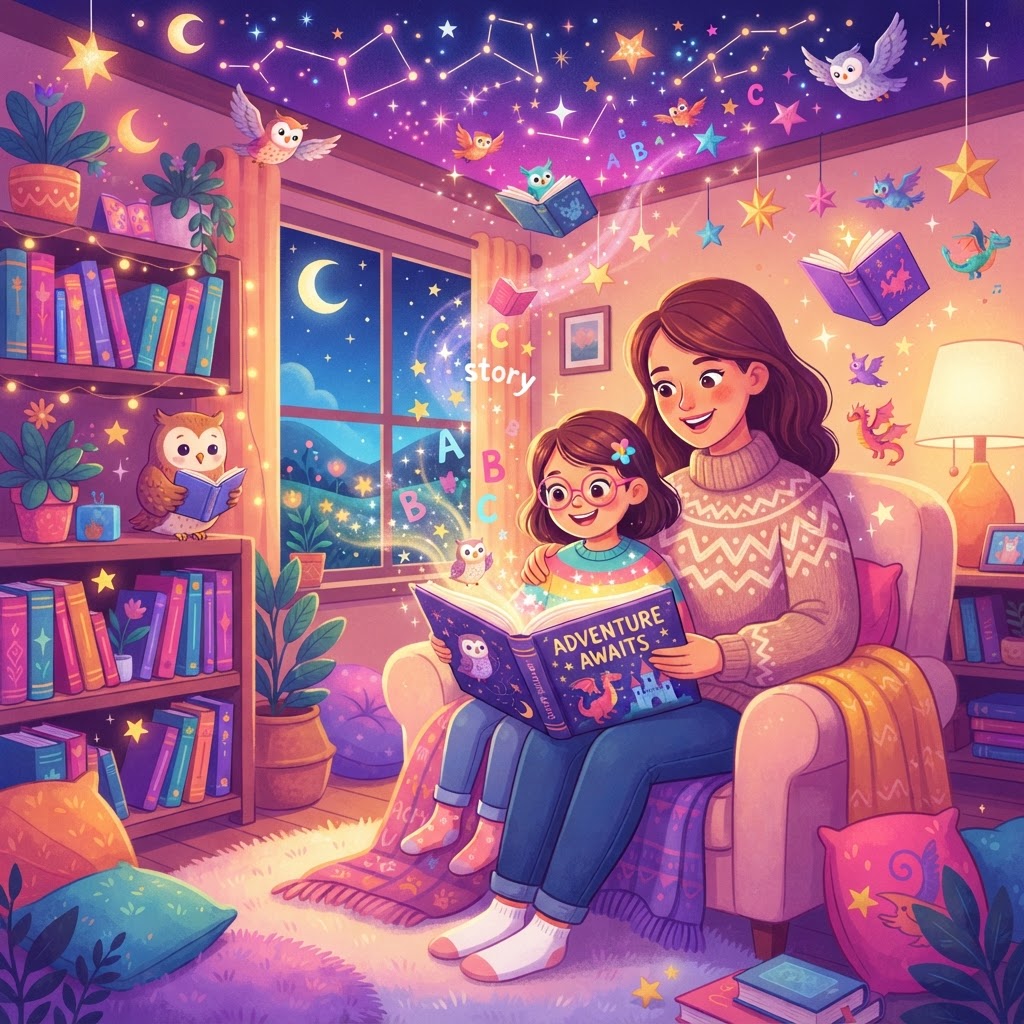
First grade is often the year when children shift from drawing and dictating to writing full ideas on paper. That sounds exciting, but it also means they are managing spelling, spacing, handwriting, sentence formation, and idea generation at the same time. Stories make that work easier. When teachers use narrative as the starting point, students have a clear structure, a reason to write, and language they can borrow.
If you are looking for practical ways to use first grade writing stories in class, this guide will help. You will find research-based reasons stories support writing, five classroom-ready activities, differentiation tips, and simple ways to use digital tools for stronger writing lessons.
Why do stories make first grade writing easier to teach?
Stories help first graders write because they give children a clear structure for their thinking. A character, setting, problem, and ending are easier to hold in mind than an abstract prompt like “Write about summer.”
This matters in first grade. Young writers are still developing working memory, fine motor control, and oral language. A story framework reduces cognitive load, so students can focus on turning ideas into words. Research and guidance from the What Works Clearinghouse and Reading Rockets both emphasize explicit writing instruction, oral rehearsal, and meaningful practice.
Stories also strengthen the skills that sit underneath writing:
- Sequencing: first, next, then, last
- Vocabulary: characters, actions, feelings, and settings
- Sentence production: saying a full idea before writing it
- Comprehension: understanding how texts are organized
The National Association for the Education of Young Children, or NAEYC, has also highlighted how early reading and writing develop together through rich language experiences. That is why many teachers see stronger results when writing is paired with read-alouds, retelling, and first grade reading stories that build skills.
What should effective first grade writing stories include?
The best stories for first grade writing are short, predictable, and easy to retell. Students write more confidently when they can quickly understand what happened and what comes next.
When writing stories for first grade, look for or create mentor texts with these features:
- A clear beginning, middle, and end
- One main event or problem
- Familiar topics such as pets, school, weather, or family
- Repeated language or patterns
- Strong picture support
- Simple sentences students can imitate
In practice, that means a story about “a lost lunchbox” often works better than a long fantasy with many plot twists. First graders do best when the model is concrete and manageable.
It also helps to choose stories with language children can borrow right away. Phrases like “One day…,” “I felt…,” and “At the end…” give students a bridge into their own writing. If you also teach younger learners, the same principle appears in this guide to using stories for kindergarten writing.
Which first grade writing activities work best with stories?
The strongest first grade writing activities use one short story, one clear writing goal, and lots of oral rehearsal. Below are five simple routines that make teaching writing with stories practical in a busy classroom.
1. How can retelling turn into sentence writing?
Start with a read-aloud and ask students to retell the story in three parts: beginning, middle, and end. Then have them write one sentence for each part.
This works because oral retelling comes before written composition. For students who need more support, provide sentence starters such as:
- In the beginning, ___.
- Next, ___.
- At the end, ___.
2. How can changing the ending encourage creativity?
Read a familiar story and stop before the ending. Ask students to say a new ending with a partner, then write or draw it.
This activity lowers the pressure of “thinking of everything” because the character and setting are already provided. It is an easy way to practice complete sentences, story logic, and simple revision.
3. How can character journals build voice and detail?
Ask students to write as if they are the main character. A prompt like “I was scared when…” or “Today I found…” helps students step into point of view.
Character journals are especially useful for adding feelings and details. They also help children understand that writers make choices about voice, not just spelling.
4. How can a class story map lead to independent writing?
Create a whole-class story map with boxes for character, setting, problem, actions, and ending. Model turning each part of the map into a sentence, then let students use their own maps to write mini-stories.
This shared-to-independent approach is highly effective in first grade. Students see the thinking process first, then try it with support.
5. How can personalized prompts increase writing stamina?
Give students a story prompt connected to their interests, such as animals, superheroes, or classroom adventures. Personalized prompts often lead to longer, more enthusiastic writing because children care about the topic.
A simple version is: “A puppy came to our classroom. What happened next?” Students can draw first, say the story aloud, and then write 2-4 sentences.
How can you differentiate teaching writing with stories?
Differentiation works best when the story stays the same but the level of support changes. In first grade, that lets all students join the lesson while still writing at an appropriate level.
Here are practical ways to adjust first grade writing stories for different learners:
- For emerging writers: use picture sequencing, shared writing, dictation, and sentence frames.
- For developing writers: add word banks, transition words, and checklists for capitals, spacing, and punctuation.
- For advanced writers: invite dialogue, stronger verbs, extra details, or writing from another character’s perspective.
- For multilingual learners: allow oral rehearsal with a partner, preview key vocabulary, and welcome home-language planning when possible.
- For students with fine motor needs: shorten the written output, use larger writing spaces, or allow keyboarding when appropriate.
One helpful rule is this: differentiate the task, not the opportunity. Every child should get to tell a story, hear a story, and see themselves as a writer.
How can InstaTales support first grade writing lessons?
InstaTales can support first grade writing by helping teachers create engaging mentor stories quickly and adapt them to student interests. Used thoughtfully, it saves planning time while keeping the teacher in charge of instruction.
For classroom use, InstaTales for teachers can help you build prompts around themes you are already teaching. If you want a fast starting point, the platform’s story templates make it easier to create short narratives with clear characters and simple plots.
A strong lesson flow might look like this:
- Generate a short mentor story tied to your class topic
- Read it aloud and identify beginning, middle, and end
- Highlight one writing feature, such as feelings or sequence words
- Have students orally rehearse their own version
- Write independently with drawing and sentence support
- Save class models and student versions in your story library for rereading, reflection, and portfolios
This approach works especially well because first graders benefit from repetition. Seeing a familiar structure across several stories helps them internalize what writers do.
As with any tool, the goal is not to replace teacher judgment or student creativity. The goal is to make teaching writing with stories more efficient, more personalized, and more motivating for young children.
Frequently Asked Questions
How long should first grade writing stories be?
Short is best. For most first graders, 3-5 sentences with a clear beginning, middle, and end is enough for independent narrative writing.
Should first graders use invented spelling in story writing?
Yes, within reason. Invented spelling helps young writers get ideas onto paper, while teachers still model correct spelling for high-frequency words and revision practice.
How often should I use story-based writing activities?
Two to four times a week is a strong starting point. Regular, short practice usually works better than one long writing block that feels overwhelming.
Can I use the same story for reading and writing lessons?
Absolutely. Reusing a story for both reading and writing helps students notice text structure, vocabulary, and author choices more clearly.
How should I assess first grade narrative writing?
Use a simple rubric focused on idea development, sequence, sentence completeness, and basic conventions. In first grade, growth matters more than perfection.
Ready to Create a Personalized Bedtime Story?
Use our free AI bedtime story generator to create a personalized illustrated story for your child in 30 seconds — no credit card needed.
Popular story types:
Maya Rodriguez
Lead Content Editor & Early Literacy Specialist
Maya is a former early childhood educator and literacy specialist with over a decade of experience helping children develop a love of reading. She leads content at InstaTales, where she writes about the science of storytelling, child development, and how families can use personalized AI stories to build literacy and emotional resilience.
instatales.ai