Kindergarten Science Stories That Teach
Make science engaging for kindergarten students with stories. Practical strategies, story ideas, and classroom activities for teachers.
✦ Key Takeaways
- •Stories help kindergarteners learn science because they make ideas easier to remember, discuss, and apply.
- •A good kindergarten science story is simple, concrete, and built around one observable idea.
- •The best story-based kindergarten science activities pair a short narrative with a simple investigation.
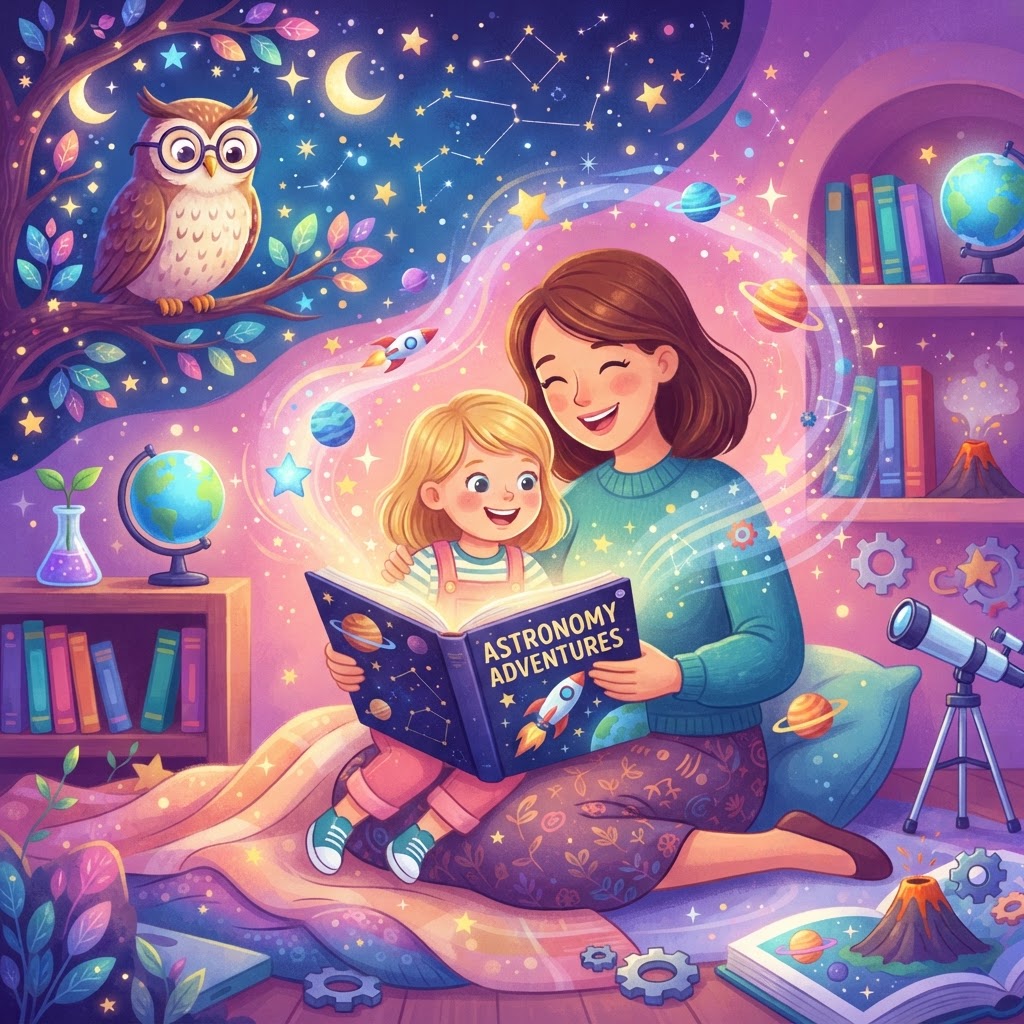
Stories can turn a science lesson from “listen and repeat” into “wonder, predict, and try.” For kindergarten teachers, teaching science with stories works especially well because young children learn best through language, repetition, play, and meaningful connections to daily life. When a seed becomes a character, a puddle goes on a weather adventure, or a magnet solves a mystery, science starts to feel concrete and memorable.
This guide shares why kindergarten science stories support learning, how to plan them well, five story-based lesson ideas, simple differentiation strategies, and practical ways to use InstaTales in class. If you already use stories to support literacy, you’ll notice many of the same strengths here, including oral language growth, comprehension, and engagement.
Why do stories help kindergarteners learn science?
Stories help kindergarteners learn science because they make ideas easier to remember, discuss, and apply. A narrative gives children a sequence of events, a problem to solve, and repeated language that supports both understanding and recall.
In kindergarten, science is not about memorizing long definitions. It is about noticing patterns, asking questions, making predictions, and talking about what happened. Stories naturally support those habits. A character can wonder why shadows change, test what sinks, or observe how plants grow over time.
This approach also fits what we know from child development research. The Center on the Developing Child at Harvard University emphasizes the importance of language-rich, back-and-forth interactions for learning. Story discussions create exactly that kind of exchange. When teachers pause and ask, “What do you think will happen next?” children practice reasoning, vocabulary, and explanation.
Research on dialogic reading, associated with Grover Whitehurst and colleagues, also shows that children learn more when adults prompt them to describe, predict, and retell. That matters for science stories for kindergarten, because the talk around the story is often where the science learning deepens.
The National Association for the Education of Young Children also supports playful, inquiry-based STEM experiences in early childhood. In practice, stories give teachers a strong bridge between play, talk, and hands-on investigation.
What makes a good story for kindergarten science?
A good kindergarten science story is simple, concrete, and built around one observable idea. The best stories do not try to teach everything at once. They focus on one phenomenon children can see, test, or talk about.
When choosing or creating kindergarten science stories, look for these features:
- One clear science concept, such as weather, plants, magnets, motion, or the five senses
- A relatable character who notices a problem or question
- Repetition and predictable language that children can join in with
- Cause-and-effect events that show what happens and why
- Built-in pause points for prediction and discussion
- A hands-on follow-up children can do right away
For example, a story about a raindrop is more useful than a broad story about “all kinds of weather.” A tale about a child testing which objects a magnet can pick up is stronger than a story that briefly mentions many tools and materials.
It also helps to connect science stories to children’s real world. If your class has been watching worms after rain, collecting leaves, or noticing sunlight on the playground, build that into the narrative. This makes teaching science with stories feel authentic rather than artificial.
Which story-based kindergarten science activities work best?
The best story-based kindergarten science activities pair a short narrative with a simple investigation. Children should hear the science idea, talk about it, and then test it with their own hands.
Here are five classroom-friendly ideas.
1. How can a weather story lead into prediction practice?
Read or tell a story about a cloud deciding whether it will bring rain, wind, or sunshine to a playground. Then ask children to look outside, notice the sky, and make a class prediction about the day’s weather.
Try this sequence:
- Read the story
- Pause for prediction words: sunny, cloudy, windy, rainy
- Have children draw what they think will happen next
- Compare predictions to real observations later in the day
This works well because it connects vocabulary to real evidence.
2. How can a sink-or-float story become an investigation?
Tell a story about a toy boat that needs help crossing a pond. The characters collect objects and wonder which ones will sink or float.
After the story:
- Show 5-6 safe classroom objects
- Let children predict “sink” or “float”
- Test each object in water
- Chart the results with pictures
This is one of the easiest kindergarten science activities to run after a read-aloud because the materials are familiar and the results are immediate.
3. How can a plant story support observation over time?
Create a story about a seed that wants four things: soil, water, sunlight, and time. Then plant real seeds and let children compare the story events to what they see over several days.
You can extend the lesson by asking:
- What did the seed need first?
- What changed today?
- What do you predict we will see tomorrow?
This builds sequencing, observation, and science vocabulary at the same time.
4. How can a magnet mystery story spark curiosity?
Use a short mystery story: a robot loses metal parts around the classroom and a magnet helper tries to find them. Children then test which items the magnet can and cannot pick up.
For extra support, sort items into two groups:
- Magnet sticks
- Magnet does not stick
If you want ready-made extension ideas, these magnet story ideas for curious kids can help you plan follow-up reading and exploration.
5. How can a senses story turn into outdoor science?
Tell a story about a nature detective who uses eyes, ears, nose, skin, and careful listening to explore the schoolyard. Then take children on a short senses walk.
Invite them to notice:
- One thing they see
- One thing they hear
- One thing they feel
- One thing they smell
Back inside, help them retell the “detective story” using their own observations. This is a strong example of science stories for kindergarten because it turns children into active participants, not just listeners.
The National Science Teaching Association has long highlighted the value of integrating science and literacy in early grades. These activities do that in a way that still feels playful and age-appropriate.
How can teachers differentiate science stories for kindergarten?
Teachers can differentiate science stories by adjusting language, response options, and the level of investigation. The science goal can stay the same while the access points change.
For children who need more support:
- Use picture cues, real objects, and gestures
- Pre-teach 2-3 key words before the story
- Offer sentence stems such as “I think ___ because ___”
- Let children respond by pointing, drawing, or sorting instead of speaking
For multilingual learners, repeated story phrases and visual supports are especially helpful. For children with stronger language skills, extend the lesson with “how” and “why” questions or a simple retell.
You can also vary the follow-up task:
- Some children sort picture cards
- Others label a science drawing
- Others dictate one observation to an adult
This cross-curricular structure supports literacy too. If you want to strengthen those connections, these ideas for teaching kindergarten reading with stories can pair well with science story routines.
How can InstaTales support kindergarten science lessons?
InstaTales can help teachers create fast, personalized science stories that match a class topic, student interest, or weekly theme. Instead of searching for the perfect read-aloud every time, you can build one around the exact concept you are teaching.
A simple workflow looks like this:
- Pick one science idea, such as shadows, magnets, plants, or weather
- Choose a child-friendly character and setting
- Add one question or problem for the character to solve
- Include 2-3 repeated science words
- Plan one hands-on follow-up activity
With InstaTales for teachers, educators can create targeted stories for centers, whole-group read-alouds, or take-home extensions. The story templates are useful when you want a quick starting point, and your story library helps you save class favorites for re-reading across the week.
A few best practices matter here:
- Review AI-generated stories for accuracy and age fit before using them
- Keep each story focused on one science idea
- Add discussion prompts like “What do you notice?” and “What should the character try next?”
- Follow every story with a real observation, experiment, or demonstration
Used well, InstaTales can support kindergarten science stories without replacing good teaching. It gives you a flexible tool for matching narrative to your standards, your students, and the kinds of kindergarten science activities that work best in your room.
Frequently Asked Questions
What science topics work best with stories in kindergarten?
The best topics are concrete and easy to observe, such as weather, plants, animals, magnets, shadows, motion, and the five senses. Young children learn most when they can hear the story and then test the idea themselves.
How long should a kindergarten science story be?
Short is usually best. Aim for 3-7 minutes of reading or storytelling so children have enough attention left for discussion and hands-on exploration.
Can stories replace science experiments in kindergarten?
No. Stories work best as a bridge into observation, prediction, and testing. Children still need real materials, real questions, and real time to explore.
How often should teachers use science stories?
Many teachers use them once or twice a week as part of a science block or theme. Even a brief story can strengthen vocabulary and focus before an activity.
Is InstaTales appropriate for classroom science use?
Yes, as long as teachers review each story for accuracy, clarity, and developmental fit. It works best when paired with discussion, play, and simple investigations rather than used on its own.
Ready to Create a Personalized Bedtime Story?
Use our free AI bedtime story generator to create a personalized illustrated story for your child in 30 seconds — no credit card needed.
Popular story types:
Maya Rodriguez
Lead Content Editor & Early Literacy Specialist
Maya is a former early childhood educator and literacy specialist with over a decade of experience helping children develop a love of reading. She leads content at InstaTales, where she writes about the science of storytelling, child development, and how families can use personalized AI stories to build literacy and emotional resilience.
instatales.ai