Second Grade Art Stories That Spark Creativity
Make art engaging for second grade students with stories. Practical strategies, story ideas, and classroom activities for teachers.
✦ Key Takeaways
- •Stories help second graders learn art because they turn abstract ideas into meaningful experiences.
- •A strong story-based art lesson starts with a short, vivid narrative and connects it directly to one art focus.
- •The best second grade art activities use short stories to introduce one visual idea at a time.
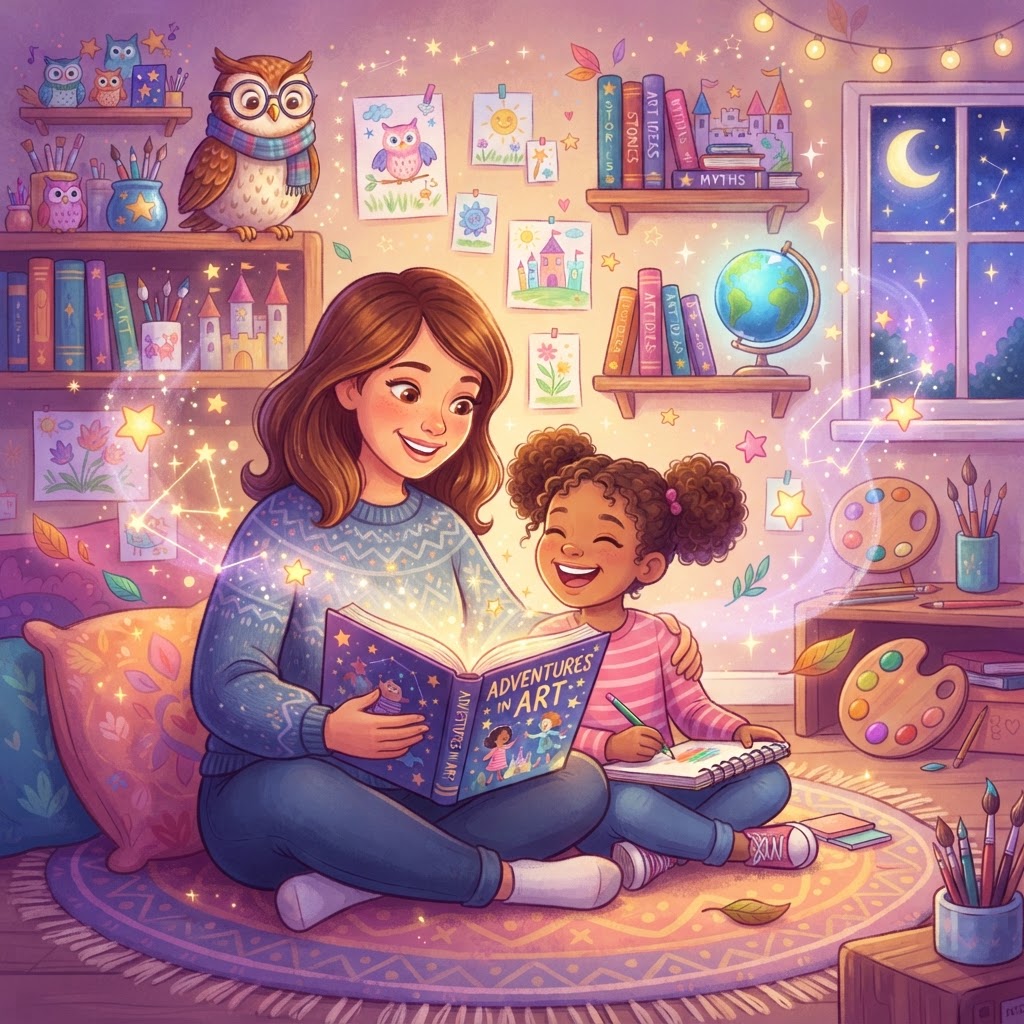
Stories can make art feel easier, richer, and more memorable for 7- and 8-year-olds. When teachers use second grade art stories to introduce color, line, shape, or texture, students have a reason to create—not just a task to complete.
That matters in second grade. Children this age are growing in attention, language, and visual thinking, but they still learn best through concrete, engaging experiences. Teaching art with stories gives them a clear context, supports vocabulary, and helps them connect feelings, images, and ideas.
If you are planning art stories for second grade, this guide will walk you through why narrative works, five practical lesson ideas, differentiation tips, and ways to use InstaTales for teachers to build story-based art lessons quickly.
Why do stories help second graders learn art concepts?
Stories help second graders learn art because they turn abstract ideas into meaningful experiences. Instead of hearing “today we will study warm and cool colors,” students meet a dragon in a hot cave and a penguin in an icy sea—and the concept sticks.
Research supports this approach. Cognitive scientist Allan Paivio’s dual coding theory suggests that children remember more when words and images work together. The Harvard Center on the Developing Child also explains that young learners build important planning and focus skills through activities that require attention, memory, and flexible thinking—all of which are used when students listen to a story and then create art from it.
Arts integration also supports broader development. The National Association for the Education of Young Children highlights that the arts help children represent ideas, express emotion, and deepen learning across subjects. In practical classroom terms, that means second grade art activities become stronger when students have a narrative anchor.
Stories also help with:
- Vocabulary: students learn words like foreground, pattern, texture, and contrast in context
- Engagement: even hesitant artists often respond to characters and settings
- Sequencing: story order supports planning and visual storytelling
- Reflection: students can explain their choices through the story they heard
What does a strong story-based second grade art lesson look like?
A strong story-based art lesson starts with a short, vivid narrative and connects it directly to one art focus. The best lessons keep the story simple, the art goal clear, and the reflection meaningful.
In second grade, a good structure is:
- Hook: read or tell a short story with strong visual details
- Notice: ask students what they pictured in their minds
- Teach: name one art concept, such as shape, line, texture, or color mood
- Create: invite students to make art inspired by the story
- Reflect: have them explain how their artwork fits the narrative
For example, if your goal is texture, the story might describe a forest with rough bark, soft moss, and spiky pine needles. Students then create a mixed-media forest scene using materials that match those textures. This makes teaching art with stories feel purposeful instead of decorative.
Keep stories short—usually 3 to 7 minutes is enough. Second graders do best when the narrative opens their imagination but leaves room for their own choices.
Which story-based second grade art activities work best?
The best second grade art activities use short stories to introduce one visual idea at a time. That keeps the lesson manageable while still giving students plenty of room for creativity.
Character color portraits
Tell a story about three characters who feel very different emotions: calm, excited, and worried. Then ask students to paint or draw a portrait of one character using colors that match the mood.
This activity teaches color-emotion connections, facial expression, and line. It also helps students explain why they chose certain colors, which builds art vocabulary.
Setting collage maps
Read a short adventure story with several locations, such as a hill, river, bridge, and hidden garden. Students create a map-style collage of the setting using cut paper shapes and labels.
This works well for teaching shape, space, and composition. It also supports sequencing, since students can retell the story by moving through the map.
Shape creature designs
Tell a story about a friendly creature made from circles, triangles, rectangles, and ovals. Students build their own creature from paper shapes and add details that show where it lives and what it does.
This is one of the most accessible art stories for second grade because it combines geometry, imagination, and character design. It is especially effective when you want a strong art-math connection.
Story sequence comic panels
Read a simple beginning-middle-end story and ask students to draw three panels that show the main events. Focus the art lesson on line, movement, and clear visual storytelling.
This is a great bridge between art and literacy. If you also teach writing, you can connect it to second grade writing through stories so students plan, sketch, and then add captions or dialogue.
Patterned story quilts
Share a story that includes repeated events, phrases, or objects, such as stars appearing each night or flowers blooming in rows. Students create a paper “quilt square” that uses repeating shapes, colors, or symbols from the story.
This activity teaches pattern and repetition while giving every child a clear starting point. When combined on a wall, the individual squares become a class artwork that also retells the story.
How can teachers differentiate story-based art lessons for all learners?
Teachers can differentiate story-based art lessons by offering multiple ways to listen, plan, and create. The goal is to keep the artistic thinking high while making the task accessible.
A useful guide is the CAST Universal Design for Learning framework, which encourages multiple means of engagement, representation, and expression. In second grade art, that might look like this:
- For multilingual learners: preteach 3 to 5 key words with visuals, gestures, and examples
- For students with fine-motor challenges: offer larger paper, thicker tools, adaptive scissors, or collage instead of detailed drawing
- For students who need more structure: provide a visual step chart or starter shapes
- For advanced artists: add a challenge such as foreground/background, pattern variation, or a written artist statement
- For students who struggle with listening: pause the story and sketch quick “mental images” as you go
Choice is especially helpful. Let students choose a character, material, or ending while keeping the art target the same. That preserves rigor and reduces frustration.
How can InstaTales support second grade art lessons?
InstaTales can support second grade art by helping teachers create short, highly specific stories that match an art goal. Instead of hunting for the “perfect” read-aloud, you can build one around your lesson in minutes.
For example, you can create your own personalized bedtime story about:
- a fox exploring warm and cool colors
- a robot built from geometric shapes
- a child traveling through a textured jungle
- a class mystery told through three comic scenes
If you want to save prep time, start with story templates and adapt them to your art standard, season, or classroom theme. You can also save favorite lessons in your story library so you can reuse them for centers, sub plans, small groups, or next year’s class.
For classroom use, keep these tips in mind:
- Generate stories that are short and image-rich
- Include one clear art focus, not five
- Ask for repeated phrases students can illustrate
- Add named characters or familiar settings to boost engagement
- End with an open prompt like “What did the garden look like in your mind?”
This approach works especially well in integrated classrooms. A story first, art response second model can also connect naturally to science, reading, or writing themes later in the week.
What should teachers remember when planning second grade art stories?
Teachers should remember that the story is a tool, not the final product. The purpose of second grade art stories is to open visual thinking, support vocabulary, and make art concepts easier to understand.
Keep the narrative brief, focus on one art objective, and make sure the creating time is longer than the listening time. The most effective art stories for second grade leave space for original student choices rather than asking every child to make the same picture.
When used thoughtfully, stories can help second graders notice more, imagine more, and talk about art with greater confidence. That is why teaching art with stories is not just fun—it is sound practice grounded in how children learn.
Frequently Asked Questions
What are the best topics for second grade art stories?
The best topics are simple, visual, and tied to one art concept. Good choices include color moods, shape characters, textured settings, pattern adventures, and beginning-middle-end comic stories.
How long should a story-based art lesson be?
A story-based art lesson can fit into 30 to 50 minutes. Spend about 5 to 7 minutes on the story and discussion, then give students most of the time for creating and reflecting.
Can stories help reluctant artists?
Yes, stories often help reluctant artists because they lower pressure and give students a clear idea to respond to. A character, problem, or setting can feel more inviting than a blank page.
How do I assess learning in second grade art activities?
Assess the art goal, not just neatness. Look for evidence that students used the target concept, such as warm colors, repeated patterns, or clear shapes, and ask them to explain their choices.
Is InstaTales useful for classroom art planning?
Yes, it can be very useful for classroom planning because it lets you generate short custom stories around a specific art skill or theme. That can save prep time and make lessons feel more relevant to your students.
Ready to Create a Personalized Bedtime Story?
Use our free AI bedtime story generator to create a personalized illustrated story for your child in 30 seconds — no credit card needed.
Popular story types:
Maya Rodriguez
Lead Content Editor & Early Literacy Specialist
Maya is a former early childhood educator and literacy specialist with over a decade of experience helping children develop a love of reading. She leads content at InstaTales, where she writes about the science of storytelling, child development, and how families can use personalized AI stories to build literacy and emotional resilience.
instatales.ai