10-Minute Power Outage Stories for Kids
Power out? No problem! These 10-minute stories are perfect for reading by flashlight when the power goes out.
✦ Key Takeaways
- •Stories help because they give children predictability, emotional safety, and connection.
- •The best power outage stories are cozy, clear, and easy to picture without much visual support.
- •One short story can become a complete family activity if you add a few playful steps before and after.
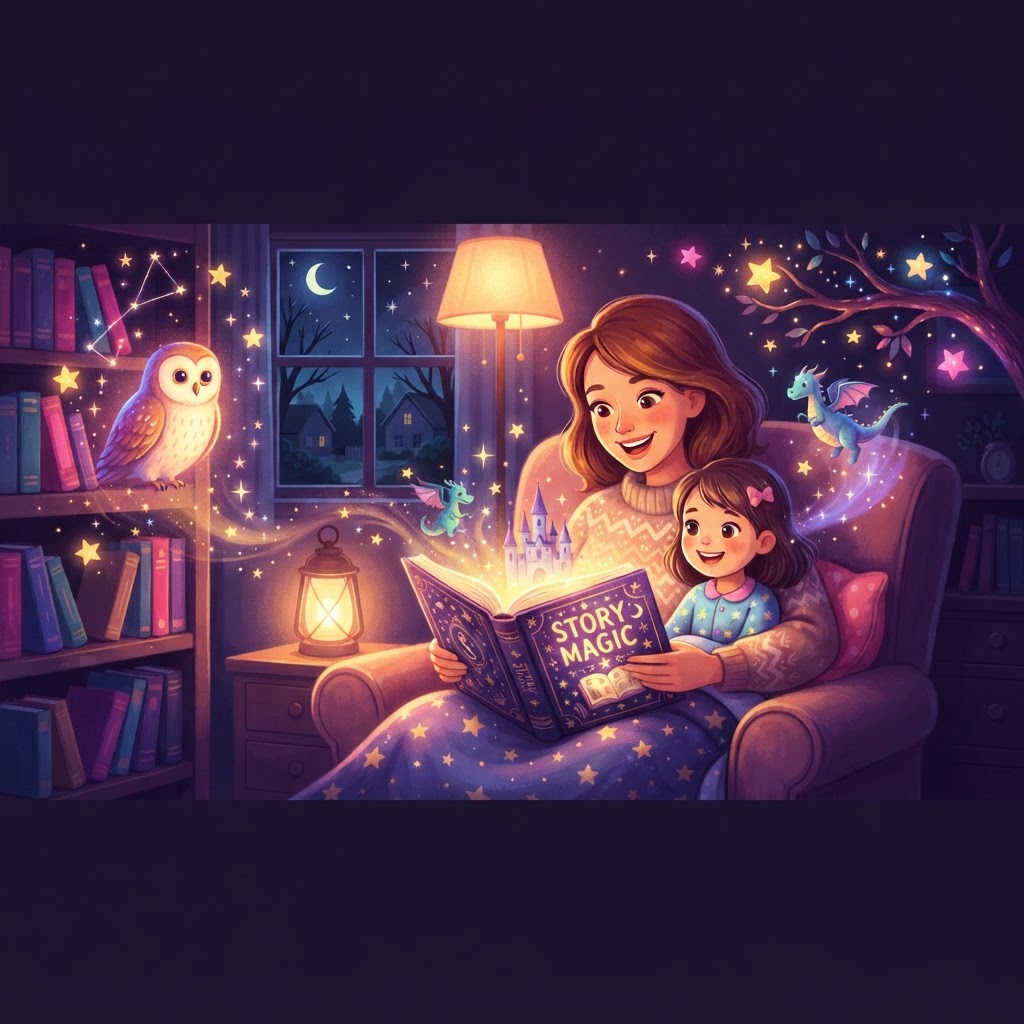
When the lights go out, children often look to adults for cues. A calm voice, a flashlight, and a short story can turn a stressful moment into a cozy family memory. If you are looking for power outage stories, no electricity stories, or even gentle 10 minute dark stories to read by flashlight, this guide will help you make the most of an unexpected blackout.
A short story works especially well during a power outage because it gives children structure fast. In about 10 minutes, you can lower anxiety, keep little hands busy, and shift the mood from “What happened?” to “What adventure comes next?”
How can stories make a power outage feel less scary?
Stories help because they give children predictability, emotional safety, and connection. In a dark or unfamiliar moment, a simple narrative helps the brain organize what is happening and reminds children that a trusted adult is close by.
Shared reading is strongly linked with language growth, bonding, and emotional regulation. The American Academy of Pediatrics recommends reading aloud from infancy, and Harvard’s Center on the Developing Child explains how back-and-forth interactions build security through serve-and-return communication. In plain terms: when you read, pause, ask questions, and listen, your child feels safer.
During a blackout, stories also help by:
- giving children something to focus on besides the dark
- slowing breathing and body movement before bed
- creating a “same as usual” bedtime rhythm even when the house feels different
- turning waiting time into play time
That is why short no electricity stories often work better than long chapter books. Children can settle into them quickly, enjoy a full beginning-middle-end, and feel finished before restlessness returns.
What do you need for a 10-minute flashlight story time?
You do not need much. The best setup for 10 minute dark stories is simple, safe, and familiar.
Start with the basics:
- a flashlight or battery lantern
- one blanket or sleeping bag for a “camp indoors” feel
- a water bottle nearby
- one short story, or a simple story prompt
- a calm spot away from candles and cords
For safety, it is wise to prepare for outages before they happen. Ready.gov’s power outage guidance recommends flashlights, charged devices, and emergency supplies. For parents, I would add one more item: a small folder of saved stories.
If your child already enjoys short reads like rainy-day story breaks or homework pause stories, use the same routine here. Sit close, dim the flashlight toward the page or ceiling instead of directly at faces, and keep your voice low and steady.
A helpful rhythm is:
- Name what is happening: “The power is out, and we are safe.”
- Offer a choice: “Do you want a funny story or a brave story?”
- Read for about 10 minutes.
- End with one predictable line like, “And now our bodies can rest.”
That routine matters. Young children do best when adults make the moment feel manageable, not mysterious.
Which power outage stories work best for kids?
The best power outage stories are cozy, clear, and easy to picture without much visual support. Choose plots with warm feelings, small adventures, and reassuring endings.
Here are five story ideas that work beautifully by flashlight:
1. The Flashlight Explorer
A child finds that their flashlight beam can “wake up” hidden stars on the bedroom ceiling, under the table, and inside a blanket fort. Each place reveals a tiny clue that leads to a final surprise: a glowing moon sticker and a cuddle before bed.
Why it works: it turns darkness into discovery, not fear.
2. The Animal Camp-In
When the forest loses its moonlight, a rabbit, bear, and owl gather for an indoor-style campout in a hollow tree. They share snacks, tell one silly story each, and fall asleep listening to the wind.
Why it works: animal characters feel gentle and familiar, especially for ages 2-6.
3. The Brave Little Streetlight
A streetlight feels worried when it goes dark, but it learns that even without shining, it can help people by standing tall while neighbors use lanterns and kindness. In the end, the whole block feels brighter because everyone helped.
Why it works: it gives children a model for calm during change.
4. The Pillow Fort Rescue Team
Two siblings create a “rescue headquarters” in a pillow fort and help stuffed animals feel safe during a blackout. Their missions include finding socks, sharing crackers, and singing one bedtime song.
Why it works: pretend caregiving helps children process their own feelings.
5. The Firefly Who Borrowed a Wish
A tiny firefly loses its glow and travels from friend to friend collecting kind words instead of light. Each caring word adds a sparkle until the firefly shines again.
Why it works: the emotional message is simple, hopeful, and perfect for bedtime.
If your child likes quick, situational stories in other settings too, you might also enjoy short reads for errands or waiting rooms, like these doctor visit stories. The same principle applies: brief stories help children feel oriented and calm.
How can you turn one story into a full blackout adventure?
One short story can become a complete family activity if you add a few playful steps before and after. The goal is not to “entertain perfectly.” It is to create comfort, connection, and a sense of fun.
Try this easy blackout story routine:
- Set the scene: Build a blanket nest or sit in sleeping bags.
- Choose a role: Explorer, helper, owl, firefly, captain, or star finder.
- Read the story: Keep it short and expressive.
- Add one follow-up question: “What would you pack for a moon mission?”
- Finish with a calming action: Deep breaths, a song, or quiet cuddles.
For preschoolers, repetition works wonders. Reading the same no electricity stories twice can be more soothing than offering something new. For older children, invite them to help create the ending or invent a sequel.
You can also turn blackout nights into mini literacy moments:
- practice rhyming with words like light, night, bright
- count how many stars, animals, or clues appear in the story
- ask your child to retell the beginning in their own words
That kind of playful talk supports language development without feeling like school. It is the same reason many families use short prompts from story templates when they need a fast, low-prep reading activity.
How can InstaTales help before the lights go out?
InstaTales can help most when you prepare ahead. Because outages can affect Wi-Fi or charging, the smartest plan is to generate and save a few personalized stories before you need them.
A good strategy is to create your own personalized bedtime story with your child’s name, favorite animal, and a calm blackout theme. You might make one funny story, one brave story, and one sleepy story. Then save them in your story library so they are easy to find later.
This works especially well because personalized stories increase attention and emotional investment. When a child hears, “Maya and her glowing bunny made a fort during the storm,” they lean in right away. The story feels familiar, which is exactly what many children need during a power outage.
A few practical tips:
- create 3-5 short stories in advance
- keep each one around 10 minutes
- choose reassuring endings
- include familiar settings like home, grandparents’ house, or a favorite toy
- save stories on a charged device before bedtime
If you want more ideas for using short reads in real family life, browse the InstaTales blog for other routines and reading moments. The same short-story habit that helps during a grocery trip or rainy afternoon can make blackout nights much easier too.
The big takeaway is simple: the best power outage stories are the ones you can access quickly, read calmly, and repeat often. Preparation matters more than perfection.
Frequently Asked Questions
What age are power outage stories best for?
Power outage stories can work for ages 1-10, but the style should match the child. Toddlers do best with simple repetition and cozy images, while older children may enjoy light adventure and problem-solving.
How long should a blackout story be?
About 10 minutes is ideal for most children. It is long enough to shift the mood and create calm, but short enough to hold attention in an unusual setting.
Should I use scary stories during a power outage?
Usually no, especially close to bedtime. Most children feel safer with gentle, funny, or reassuring 10 minute dark stories rather than spooky ones when the house is already dark.
What if my child is too upset to listen?
Start smaller. Sit close, name the feeling, offer a cuddle, and tell a very short two-minute story with a predictable ending before trying something longer.
Can I make up no electricity stories on the spot?
Yes, and simple is best. Use a familiar character, a small problem, one helper, and a calm ending to create effective no electricity stories without much preparation.
Is it better to prepare stories before an outage?
Yes. Saving a few stories ahead of time is helpful because power outages can affect device charging or internet access, and prepared stories are easier to use when children need comfort quickly.
Ready to Create a Personalized Bedtime Story?
Use our free AI bedtime story generator to create a personalized illustrated story for your child in 30 seconds — no credit card needed.
Popular story types:
Maya Rodriguez
Lead Content Editor & Early Literacy Specialist
Maya is a former early childhood educator and literacy specialist with over a decade of experience helping children develop a love of reading. She leads content at InstaTales, where she writes about the science of storytelling, child development, and how families can use personalized AI stories to build literacy and emotional resilience.
instatales.ai