10 Cozy Reading Space Tips Kids Will Love
Want to create a reading space your child will love? Here are 10 tips for a cozy, inviting reading nook.
✦ Key Takeaways
- •The best place for a cozy reading space is a quiet, low-traffic area where your child can settle in without too many distractions.
- •Comfortable, child-sized seating helps children stay with a book longer.
- •The right lighting makes reading easier and the space more inviting.
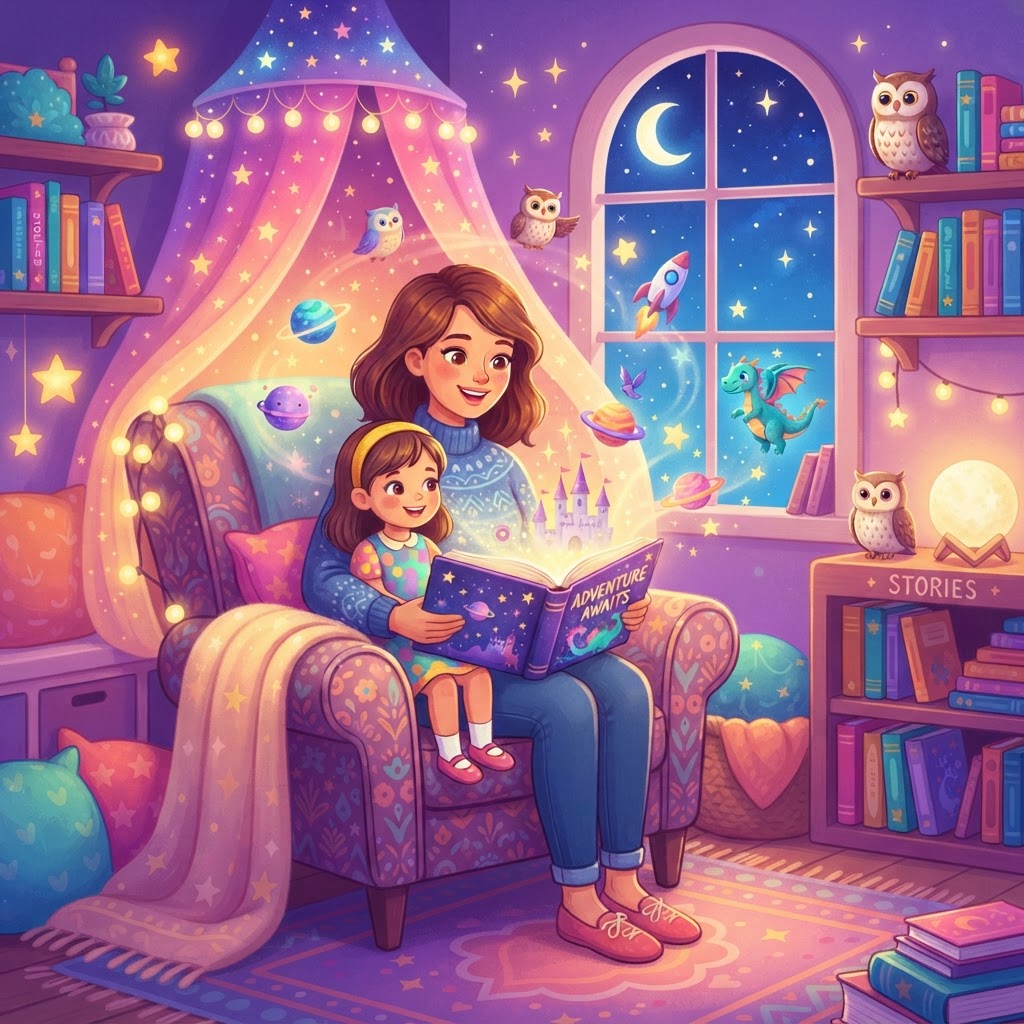
A cozy reading space can make books feel more inviting, calming, and fun. It does not need a big room or a big budget. The best reading nooks are simple, comfortable, and easy for children to use on their own.
That matters because environment shapes habits. The American Academy of Pediatrics recommends shared reading from infancy, and child development experts consistently point to warm, predictable routines as a strong support for language and emotional connection. These reading nook tips will help you create a space your child wants to return to again and again, whether you have a full playroom or just one quiet corner.
Where should you put a cozy reading space?
The best place for a cozy reading space is a quiet, low-traffic area where your child can settle in without too many distractions. You do not need a separate room; a corner of the bedroom, living room, or hallway can work beautifully.
Look for a spot with a little natural boundary, such as:
- next to a bookshelf
- under a window
- beside the bed
- in a corner with a rug
If possible, keep the space away from loud toys, TVs, or busy walkways. Children are more likely to read when the space feels calm and predictable.
What kind of seating makes children want to stay?
Comfortable, child-sized seating helps children stay with a book longer. The goal is not perfect furniture, but a spot that feels safe, soft, and easy to climb into independently.
Good options include:
- floor cushions
- a bean bag
- a small armchair
- a foam play couch
- a mattress pad or thick rug with pillows
For babies and toddlers, floor seating is often safest and most practical. For preschoolers and early readers, offer a seat that supports their back and lets them hold a book comfortably. A good kids reading corner should fit the child, not the other way around.
How can you get the lighting right?
The right lighting makes reading easier and the space more inviting. Aim for light that is bright enough for clear page viewing but soft enough to feel restful.
Natural light is ideal during the day. In the evening, use a warm lamp, wall light, or clip-on reading light instead of harsh overhead lighting. Soft light can make the nook feel special, especially as part of a bedtime routine.
Try to avoid dim corners that cause eye strain. If your child likes to read before sleep, keep the mood cozy rather than overly bright.
How should books be displayed so children actually pick them up?
Children are more likely to choose books when they can see them easily. A small, front-facing display is often more effective than packing every book tightly onto one shelf.
Keep only a selection of books in the nook at one time. Face a few covers outward, place board books in baskets for toddlers, and keep favorites at arm’s reach. Literacy experts at Reading Rockets recommend child-friendly, accessible print environments because easy access supports independent reading choices.
A simple book rotation also helps. If you are unsure what to include, these tips on choosing stories that fit your child’s age and interests can make the shelf feel fresh and relevant.
What storage works best in a kids reading corner?
The best storage is simple, low, and easy for children to manage. If your child can put books away without help, the space is more likely to stay inviting.
Helpful storage ideas include:
- open bins with picture labels
- low shelves
- one basket for current favorites
- one small bin for library books
- a pouch or tray for bookmarks
Avoid overfilling the space. Too many books can feel overwhelming, especially for younger children. If your family enjoys digital stories too, keeping favorites organized in your story library can make re-reading easy without adding physical clutter.
Which comfort details make the biggest difference?
Small comfort details often turn a basic corner into a true reading retreat. Soft textures, warmth, and familiarity help children relax and stay engaged.
You do not need much. Start with:
- a rug or mat
- one blanket
- two or three pillows
- a stuffed animal reading buddy
Think about your child’s sensory preferences too. Some children love fuzzy blankets and deep cushions. Others focus better with fewer textures and more open space. In practice, the coziest reading nooks are the ones that match the child’s comfort needs, not the ones that look the most polished.
How can you personalize the space without overdoing it?
A personalized reading nook feels meaningful when it reflects your child’s interests in simple ways. A few thoughtful touches are enough to help the space feel like their own.
You might add:
- their name on the wall
- a favorite color
- a family photo
- book-themed art
- a basket for stories about their current interests, like dinosaurs, fairies, or trucks
Personalization also works well through the stories themselves. If your child lights up when they hear their own name in a tale, you can create your own personalized bedtime story and make the nook feel even more magical.
How do you reduce distractions without making the space boring?
A good reading space feels calm, not empty. Reducing distractions helps children focus, especially if they are still building stamina for listening or independent reading.
Keep noisy toys, bright flashing devices, and unrelated clutter out of the area. Instead, include a few reading-friendly extras, such as a puppet, a small basket of themed props, or a drawing pad for story responses.
This approach is supported by early childhood organizations like NAEYC, which emphasizes that well-designed environments help children engage more independently. Less visual noise often means more attention for books.
What routines help children use the reading nook every day?
Children use reading spaces more when the space is linked to a predictable routine. Even the coziest nook will not do much if it is never woven into family life.
Choose one or two anchor times, such as:
- after school
- before nap
- after bath
- right before bed
Keep a small stack of “today’s books” ready. If you want more consistency, pairing the nook with habits like a daily read-aloud works well. These guides on building a strong reading habit and reading aloud with confidence can help you turn the space into a routine, not just a decoration.
How should a cozy reading space change as your child grows?
The best reading nook grows with your child. A space that worked at age two may need small updates by age six or eight.
For example:
- babies need chew-safe board books and soft floor space
- preschoolers enjoy baskets, character books, and simple props
- early readers benefit from better task lighting and easy-access series books
- older children may want a bigger chair, a journal, or more privacy
Check in every few months. If the space starts to feel ignored, ask what your child would change. Often, one small update, like new pillows or a fresh set of books, is enough to bring the kids reading corner back to life.
Frequently Asked Questions
How much space do you need for a kids reading corner?
Very little. A reading nook can fit into a bedroom corner, the end of a hallway, or one side of a living room rug as long as it feels comfortable and separate from busy activity.
What age should you start a cozy reading space?
You can start in infancy. Babies benefit from soft floor space, sturdy board books, and regular shared reading, while older children can gradually use the area more independently.
Do you need expensive furniture for a reading nook?
No. Pillows, a washable rug, a low basket of books, and a lamp are often enough to create a warm and useful space.
How many books should stay in the reading space?
For most children, fewer books displayed well works better than too many crammed together. Try 10 to 20 books at a time, then rotate based on interest and season.
Should screens be part of a cozy reading space?
Usually, less is better. If you use digital stories, keep the focus on calm, intentional reading rather than fast-moving entertainment.
What if my child still does not choose the reading nook?
That is common at first. Make the space more interactive by joining them there, rotating in favorite books, and tying the nook to a reliable daily routine rather than expecting independent use right away.
Explore More Stories
Ready for more? - free AI bedtime story generator
Get a new bedtime story every week
Free, personalized, and delivered to your inbox. No spam, ever.
Ready to Create a Personalized Bedtime Story?
Use our free AI bedtime story generator to create a personalized illustrated story for your child in 30 seconds — no credit card needed.
Popular story types:
Maya Rodriguez
Lead Content Editor & Early Literacy Specialist
Maya is a former early childhood educator and literacy specialist with over a decade of experience helping children develop a love of reading. She leads content at InstaTales, where she writes about the science of storytelling, child development, and how families can use personalized AI stories to build literacy and emotional resilience.
instatales.ai