Best Bedtime Stories for Kids: Parent Guide
The best bedtime stories for kids — what makes them great, why kids love them, and how to find or create the perfect bedtime tale.
✦ Key Takeaways
- •A great bedtime story is calm, comforting, and easy to follow.
- •Children love bedtime stories because they combine attention, rhythm, and emotional security.
- •The best bedtime stories for kids depend on attention span, language level, and emotional needs.
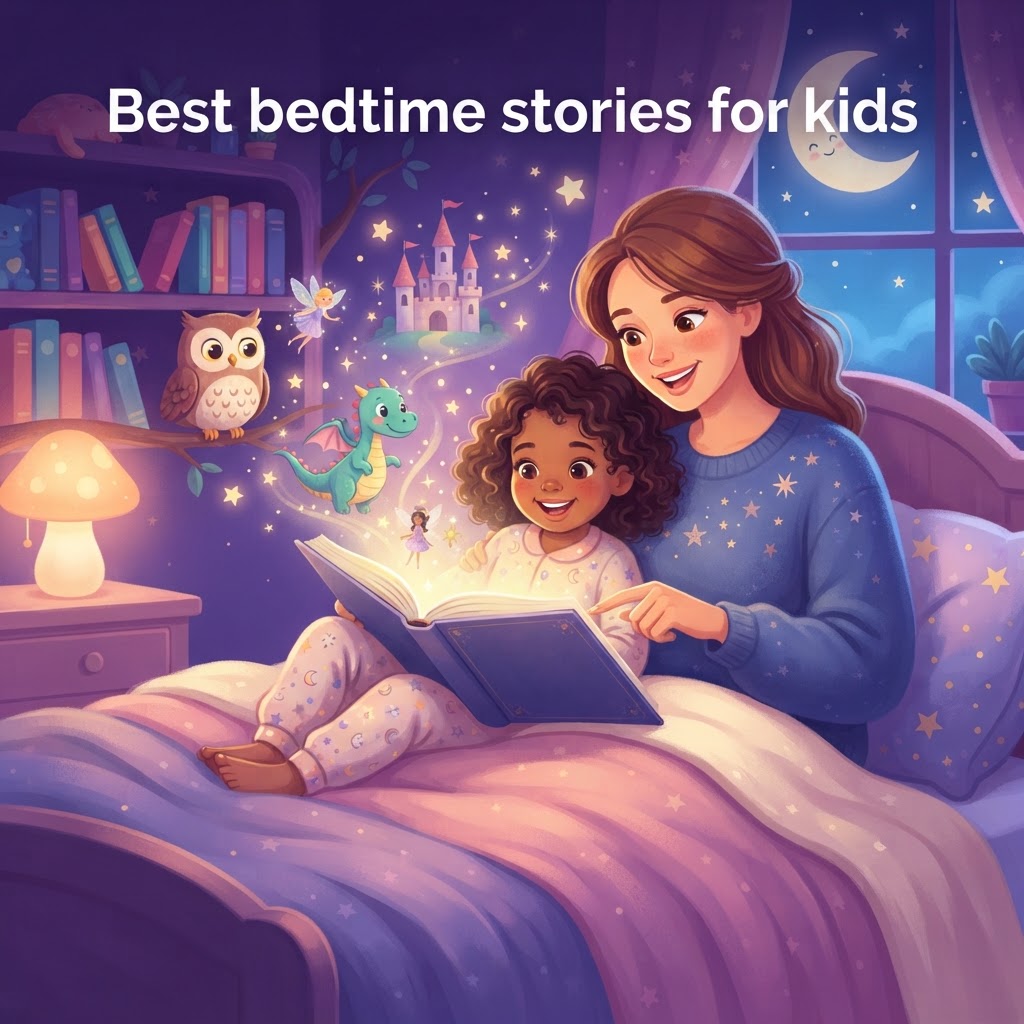
The best bedtime stories for kids do more than fill a few quiet minutes before sleep. They help children feel safe, connected, and ready to rest while also building language, imagination, and emotional understanding. If you are looking for bedtime stories for kids that truly work, this guide will help you choose age-right tales, understand why children love them, and even create your own gentle story with InstaTales.
What makes a bedtime story great?
A great bedtime story is calm, comforting, and easy to follow. It should lower a child’s energy rather than raise it, ending with a sense of safety, warmth, or peaceful resolution.
The best bedtime stories usually share a few simple traits:
- A gentle pace with clear, predictable events
- Simple language that matches the child’s age
- Repetition children can anticipate and enjoy
- Manageable emotions rather than intense fear or suspense
- A reassuring ending that helps the body settle for sleep
Bedtime stories are different from daytime adventure stories. During the day, children may enjoy dragons, wild quests, and big twists. At night, most children respond better to softer plots: a sleepy rabbit finding its blanket, a child helping the moon, or a little bear learning that home is always near.
This matters because bedtime is a transition. Children are moving from activity to rest, from together-time to separation, and from control to sleep. The best bedtime tales children love often reflect that shift by making the world feel orderly, kind, and safe.
Why do children love bedtime stories so much?
Children love bedtime stories because they combine attention, rhythm, and emotional security. A bedtime story is not just content; it is a ritual that tells a child, “You are safe, and I am here.”
Research supports this. The American Academy of Pediatrics has long recommended reading aloud from infancy because shared reading supports language, bonding, and early literacy. The Harvard Center on the Developing Child also explains that warm back-and-forth interactions help build healthy brain architecture.
Children especially enjoy bedtime stories because they offer:
- Predictability: Repeated lines and familiar endings feel soothing.
- Connection: A parent’s voice helps regulate stress and emotion.
- Imagination: Stories let children process their day in symbolic ways.
- Control: They can request the same story again, which builds confidence.
- Comfort: A good story helps make nighttime feel less lonely or uncertain.
This is why many children ask for the same story every night. Repetition is not a lack of creativity. It is often a sign that the story is helping them feel secure.
Which bedtime stories for kids work best at each age?
The best bedtime stories for kids depend on attention span, language level, and emotional needs. As children grow, they can handle longer plots and more nuanced feelings, but younger children still need short, soothing structure.
The CDC developmental milestones are a helpful reminder that children’s language and focus change quickly in the early years. Here is a simple guide:
Ages 1-3: What kind of stories help toddlers settle?
Toddlers do best with very short, rhythmic stories. Choose bedtime stories with repetition, familiar objects, and everyday comfort.
Good themes include:
- Bath, pajamas, bed
- Animals going to sleep
- Saying goodnight to family members or toys
- Soft sounds, stars, moonlight, blankets
Aim for 2-5 minutes. At this age, the sound of your voice is often more important than plot.
Ages 4-6: What kind of stories fit preschoolers and kindergartners?
Children in this group enjoy simple plots with one small problem and one gentle solution. They like imagination, but they still need emotional safety.
Good themes include:
- A forest friend who feels shy
- A lost object found before bedtime
- A magical cloud, moonbeam, or talking animal
- A child learning bravery in a low-stakes way
Aim for 5-10 minutes. This is a great age for personalized storytelling.
Ages 7-10: What kind of bedtime tales work for older kids?
Older children often enjoy richer stories, but bedtime still calls for calm stakes. They can handle mystery, humor, and emotional depth, as long as the ending feels settled.
Good themes include:
- A quiet nighttime mission
- A friendship problem resolved kindly
- A dream world that feels wonder-filled, not scary
- A child using wisdom instead of force
Aim for 10-15 minutes, depending on the child. Older children often love being part of the storytelling process.
What are five bedtime story ideas to try tonight?
The easiest way to find the best bedtime stories is to start with sleep-friendly themes. These five ideas work well because they mix wonder with calm.
-
The Sleepy Star Helper
A child helps tiny stars find the right place in the sky before drifting off to sleep. This story works well for ages 3-7 and creates a peaceful visual rhythm. -
The Bear Who Couldn’t Find His Blanket
A gentle search story with a cozy payoff. It is ideal for younger children because it stays simple and ends with comfort. -
The Whispering Garden at Dusk
Flowers and fireflies softly guide a child through evening sounds and colors. This is one of those bedtime tales children often ask to hear again because it feels dreamy and slow. -
The Brave Bunny and the Quiet Moon
A slightly nervous bunny learns that nighttime sounds are friendly, not frightening. This can be especially helpful if your child needs reassurance before sleep. -
The Pocket-Sized Dream Adventure
A child steps into a tiny, magical world where everything is gentle, glowing, and kind. This idea works well for ages 5-10 who want imagination without overstimulation.
If your child has a specific need, themed stories can help even more. For example, you might explore bedtime stories for calming down or nightmare-friendly bedtime stories when bedtime feels emotionally tricky.
How can parents choose bedtime tales children will ask for again?
Parents can choose better bedtime stories by focusing on how the story feels, not just what it is about. A child may love castles, unicorns, or pirates, but if the story is too intense, it may not work well before sleep.
Use this quick bedtime checklist:
- Does the story begin with a calm setting?
- Is the problem small enough for bedtime?
- Are the sentences easy for your child to follow?
- Does the ending feel secure and complete?
- Would your child enjoy hearing it again tomorrow?
It also helps to match the story to the child’s current emotional world. A child who feels overstimulated may want cozy, repetitive bedtime bedtime stories with almost no conflict. A child working through worries may prefer a reassuring tale where a character feels nervous, gets help, and ends safe at home.
If you want more support, the InstaTales blog includes practical articles for specific situations, including stories for children who are shy, upset, or having a hard time listening.
How can you use InstaTales to create the perfect bedtime story?
InstaTales makes it easier to create personalized bedtime stories for kids that fit your child’s age, interests, and emotional needs. The bedtime story type setting is especially useful because it nudges the story toward a sleep-friendly tone.
When you choose the bedtime story type, aim for these inputs:
- Your child’s age
- A favorite character, animal, or theme
- A gentle emotional goal, such as calming down or feeling brave
- A preferred length, like 3, 5, or 10 minutes
- A soft ending, such as “falls asleep happily” or “feels safe and cozy”
For example, you could prompt: “Create a 5-minute bedtime story for a 4-year-old about a shy fox who learns to say hello and ends tucked into bed under the stars.” That kind of personalization turns a good story into one your child feels is truly theirs.
If you want to get started, you can create your own personalized bedtime story in minutes. Parents who like having ready-made options can also browse story templates, and families who want to revisit favorite tales can save them in your story library.
Personalized bedtime stories also work beautifully in educational settings. Teachers and reading specialists can adapt quiet stories for transitions, literacy practice, or social-emotional learning through InstaTales for teachers.
Frequently Asked Questions
What are the best bedtime stories for kids?
The best bedtime stories for kids are short, soothing, and emotionally safe. Stories with gentle repetition, familiar themes, and comforting endings usually work best.
How long should bedtime stories for kids be?
For toddlers, 2-5 minutes is often enough. For older children, 5-15 minutes can work well, depending on attention span and how close they are to falling asleep.
Why do children want the same bedtime story every night?
Repetition helps children feel secure and in control. Hearing a familiar story again and again can reduce bedtime stress and strengthen language memory.
Are personalized bedtime stories a good idea?
Yes, personalized stories can be especially engaging because they reflect a child’s interests, name, or current feelings. They work best when the tone stays calm and the ending feels safe.
Can bedtime stories help with anxiety or nightmares?
They can help by giving children a predictable, reassuring emotional experience before sleep. For persistent anxiety, trauma, or sleep problems, bedtime stories should support, not replace, professional guidance.
What should I avoid in bedtime tales children hear at night?
Avoid stories with intense danger, fast pacing, cliffhangers, or upsetting endings right before bed. Even exciting stories kids love during the day can be too stimulating at night.
Ready to Create a Personalized Bedtime Story?
Use our free AI bedtime story generator to create a personalized illustrated story for your child in 30 seconds — no credit card needed.
Popular story types:
Maya Rodriguez
Lead Content Editor & Early Literacy Specialist
Maya is a former early childhood educator and literacy specialist with over a decade of experience helping children develop a love of reading. She leads content at InstaTales, where she writes about the science of storytelling, child development, and how families can use personalized AI stories to build literacy and emotional resilience.
instatales.ai