Best Fantasy Stories for Kids by Age
The best fantasy stories for kids — what makes them great, why kids love them, and how to find or create the perfect fantasy tale.
✦ Key Takeaways
- •A fantasy story for children includes something impossible or magical, but it still follows emotions and problems that feel real to a child.
- •Children love fantasy because it helps them imagine possibilities, process emotions, and feel powerful in a safe way.
- •The right fantasy story depends on a child’s age, temperament, and reading context.
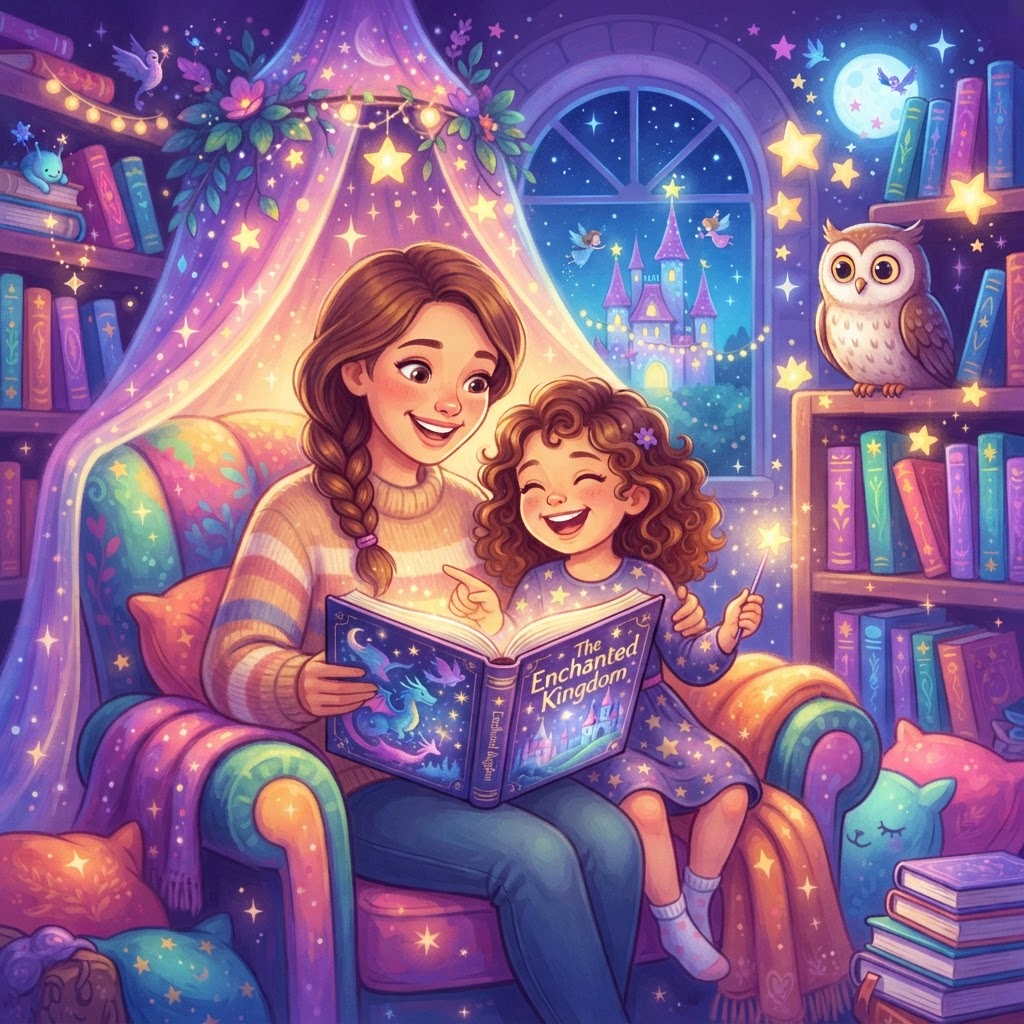
The best fantasy stories for kids do more than add dragons, fairies, or talking animals. They give children a safe way to explore big feelings, brave choices, and imaginative worlds that still feel close to their own lives. Whether you are looking for fantasy stories for kids at bedtime, in the classroom, or during independent reading, the strongest stories balance wonder with emotional comfort.
Fantasy also works beautifully for read-aloud time. A magical setting can make ordinary routines feel exciting, which is one reason fantasy bedtime stories are such a favorite for many families. If you are building a story routine, you may also enjoy our guide to best bedtime stories for kids.
What makes a story a fantasy story for kids?
A fantasy story for children includes something impossible or magical, but it still follows emotions and problems that feel real to a child. That mix of wonder and familiarity is what makes fantasy tales children truly connect with.
In children’s fantasy, the magical element can be big or small. It might be a moon that talks, a backpack that grants wishes, a hidden forest school, or a child who rides a cloud to visit a sleepy dragon. What matters most is not the amount of magic. It is how the magic helps the child-character solve a problem, grow in confidence, or understand others.
The best fantasy stories often include:
- A child-friendly magical element
- Clear emotional stakes, like fear, jealousy, courage, or kindness
- Simple cause and effect
- A sense of safety, especially for younger readers
- A satisfying ending with comfort or hope
For younger children, fantasy usually works best when it stays close to familiar routines. A bedtime quest, a lost toy in an enchanted garden, or a shy unicorn making a friend all feel magical without becoming overwhelming. Older children can enjoy richer worldbuilding, mysteries, and more complex choices, much like the stories featured in adventure stories by age.
Why do children love fantasy stories so much?
Children love fantasy because it helps them imagine possibilities, process emotions, and feel powerful in a safe way. In a fantasy story, a child can face a storm, meet a giant, or save a kingdom while sitting securely beside a trusted adult.
This is more than a literary preference. Child development experts at the Harvard Center on the Developing Child have long explained that imaginative play supports flexible thinking, self-regulation, and meaning-making. Fantasy stories tap into those same skills. They let children ask, “What if?” and then test ideas through characters and plots.
Fantasy also supports language growth. Rich story language introduces children to descriptive words, unusual settings, and creative problem-solving. Organizations like Reading Rockets regularly highlight the value of read-alouds for vocabulary and comprehension development.
There is an emotional reason, too. In fantasy, fears can be named and transformed. A dark cave becomes a place where a child finds courage. A lonely giant becomes a friend. A stormy sky becomes a flying path home. That pattern helps children rehearse emotional resilience.
Shared reading matters here as well. The American Academy of Pediatrics recommends reading together from infancy because it supports language, relationships, and routine. Fantasy stories add another layer: delight.
Which fantasy stories work best at different ages?
The right fantasy story depends on a child’s age, temperament, and reading context. A wonderful fantasy tale for a nine-year-old may be far too intense for a toddler at bedtime.
Here is a practical age guide:
Ages 1-3
Keep fantasy very simple, rhythmic, and comforting. Repetition, gentle magic, and familiar daily experiences work best.
Good fit:
- Talking animals
- Friendly stars or moons
- Magical baths, pajamas, or bedtime trains
- Very short plots with happy endings
Ages 4-6
This age group loves pretend play, helpers, and clear heroes. Fantasy can include small quests and light suspense, as long as the story returns to safety.
Good fit:
- Fairies, dragons, and enchanted forests
- Lost-and-found adventures
- Magic keys, secret doors, and wishing trees
- Stories with simple lessons about kindness or bravery
Ages 7-8
Children at this age often want stronger plots and richer imaginary worlds. They can handle more mystery, more character growth, and slightly higher stakes.
Good fit:
- Magical schools or villages
- Creature friendships
- Treasure maps and hidden powers
- Fantasy stories with teamwork and moral choices
Ages 9-10
Older children usually enjoy layered worldbuilding, longer arcs, and fantasy with emotional complexity. They may be ready for stories that mix wonder with responsibility, identity, or justice.
Good fit:
- Myth-inspired quests
- Portal fantasy
- Secret kingdoms
- Character-driven adventures with real consequences
If you want stories that combine imagination with learning, our article on why kids connect with educational stories offers useful insight for parents and teachers.
What are five fantasy story ideas children love?
Children respond best to fantasy ideas that feel magical and emotionally clear. The following five story starters are easy to adapt for bedtime, class reading, or personalized storytelling.
-
The sleepy dragon who cannot breathe bedtime sparkles
A child helps a gentle dragon fall asleep by collecting calming moonlight from around the village. -
The wardrobe that opens into a weather garden
Every door leads to a different kind of weather, and the child must find the missing rainbow before morning. -
The tiny wizard with a too-big hat
A nervous young wizard keeps making funny mistakes, then learns that kindness is stronger than perfect magic. -
The mermaid who lost her singing shell
A child and a sea creature search coral caves and glowing fish schools to bring music back to the ocean. -
The forest where trees whisper encouraging words
A child on their first solo quest discovers that bravery often sounds like a quiet voice saying, “Try again.”
These ideas work because they combine wonder with a child-sized problem: fear, self-doubt, friendship, or bedtime resistance. If you also want stories that gently build values, you may like our guide to moral stories for kids.
How can parents choose the best fantasy stories for kids?
The best choice is a fantasy story that matches your child’s developmental stage, sensitivity level, and interests. A great story should feel exciting, but never confusing or distressing.
When choosing fantasy stories for kids, look for:
- A clear plot your child can follow
- Magical elements that match their age
- Emotional themes they relate to
- Enough detail to spark imagination, but not so much that the story drags
- A reassuring ending, especially for bedtime
For fantasy bedtime stories, tone matters as much as content. A story about a dragon can be soothing or overstimulating depending on how it is told. Before bed, choose gentle pacing, soft imagery, and low-stakes tension.
It also helps to notice your child’s personal preferences. Some children love castles and knights. Others prefer magical animals, underwater worlds, or funny goblins. The best fantasy stories are often the ones that reflect a child’s current fascinations.
How can you use InstaTales to create personalized fantasy bedtime stories?
InstaTales makes it easy to turn a child’s interests into a magical, age-appropriate story. The fantasy story type setting is especially useful when you want wonder, comfort, and personalization in one place.
A simple way to start is to create your own personalized bedtime story using details your child already loves. Add their name, age, favorite animals, favorite colors, or a small real-life challenge, like being nervous about school or learning to sleep alone.
To get better results, try this process:
- Choose the fantasy story type
- Add one clear magical element, like a cloud castle or talking fox
- Include one emotional goal, such as building confidence or calming bedtime worries
- Set the tone as cozy, gentle, or adventurous depending on the moment
- Keep the ending warm and secure
If you want a faster starting point, browse the available story templates and adapt one to your child’s interests. This is especially helpful when you want regular fantasy bedtime stories without having to invent a new idea from scratch every night.
For parents and teachers, personalization can make stories more engaging because the child sees themselves inside the narrative. That increases attention, participation, and emotional connection. It is one reason so many families use fantasy as a bridge into reading habits.
Frequently Asked Questions
What age is best to start fantasy stories?
You can start very early, even around ages 1-2, as long as the fantasy is simple and soothing. Talking animals, sleepy stars, and gentle magic are usually a better fit than complex quests.
Are fantasy bedtime stories too stimulating before sleep?
Not usually, if the tone is calm and the stakes are low. Choose cozy settings, soft language, and happy endings rather than fast-paced battles or scary creatures.
Can fantasy tales children enjoy also be educational?
Yes. Fantasy can support vocabulary, emotional learning, sequencing, and problem-solving while still feeling playful and imaginative. It is a strong format for learning because children stay engaged.
How long should a fantasy story be for bedtime?
For toddlers and preschoolers, 3-7 minutes is often enough. Older children may enjoy 10-15 minutes, especially if the story has chapters or a continuing magical world.
What should I include in a personalized fantasy story?
Start with the child’s name, one favorite thing, and one simple emotional theme. Then add a magical setting, a friendly challenge, and a comforting ending.
What makes the best fantasy stories for kids stand out?
The best ones balance imagination with emotional truth. They feel magical, but they still help children understand bravery, friendship, kindness, or growing up.
Get a new bedtime story every week
Free, personalized, and delivered to your inbox. No spam, ever.
Ready to Create a Personalized Bedtime Story?
Use our free AI bedtime story generator to create a personalized illustrated story for your child in 30 seconds — no credit card needed.
Popular story types:
Maya Rodriguez
Lead Content Editor & Early Literacy Specialist
Maya is a former early childhood educator and literacy specialist with over a decade of experience helping children develop a love of reading. She leads content at InstaTales, where she writes about the science of storytelling, child development, and how families can use personalized AI stories to build literacy and emotional resilience.
instatales.ai