Fairies Stories for Kids: Magical Ideas
Exciting fairies stories for kids — adventures, lessons, and imagination with your child's favorite characters.
✦ Key Takeaways
- •Children love fairy stories because fairies make the world feel magical, safe, and full of possibility.
- •Fairies bedtime stories are especially effective at night because they mix gentle wonder with comforting structure.
- •The best fairies stories for kids combine adventure with one clear emotional lesson.
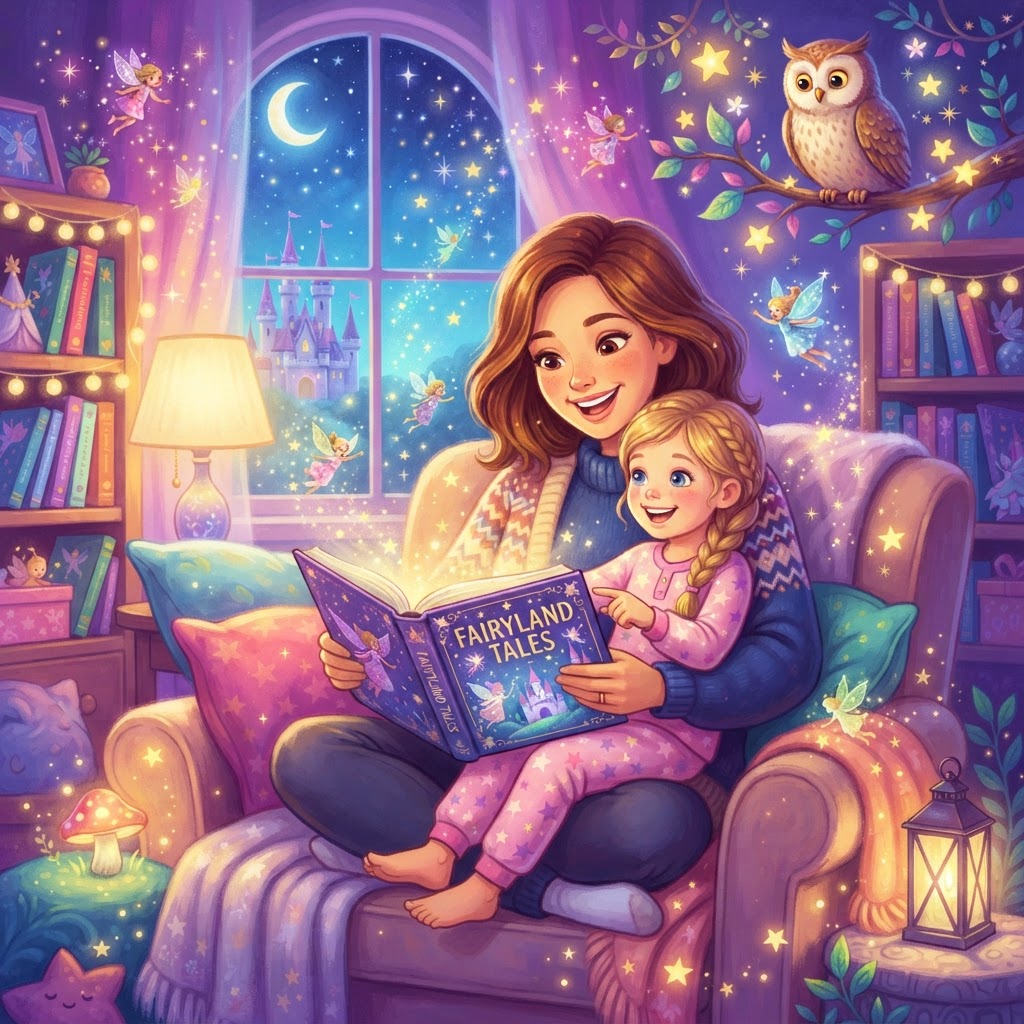
Fairies stories for kids have a special kind of magic. They turn gardens into kingdoms, moonlight into adventure, and everyday feelings into gentle lessons children can understand.
For parents, teachers, and caregivers, stories about fairies are more than pretty tales. They can support language growth, emotional learning, and imaginative play while making bedtime feel calm and connected. If your child already loves magical worlds like dragon story ideas or sweet talking animal adventures, fairy stories are a natural next favorite.
Why do children love fairies stories so much?
Children love fairy stories because fairies make the world feel magical, safe, and full of possibility. A tiny helper with wings can stand in for courage, kindness, curiosity, or even a child’s own inner voice.
From a child development perspective, fantasy play matters. The Harvard Center on the Developing Child explains that imaginative play helps build flexible thinking, memory, and self-control. That is one reason fairies tales children enjoy often stay with them for years.
Fairy stories also work because they are emotionally manageable. A forest may feel mysterious, but with a brave fairy guide, the child listener feels secure enough to explore big ideas like:
- making friends
- solving problems
- facing fears
- caring for nature
- believing in themselves
For younger children especially, fairies are approachable. They are magical, but they are often kind, small, and close to a child’s world—living in flowers, trees, clouds, or hidden corners of the bedroom.
What makes fairies bedtime stories especially calming and memorable?
Fairies bedtime stories are especially effective at night because they mix gentle wonder with comforting structure. They can be dreamy without becoming overstimulating, which helps children settle.
Research supports the value of shared reading. The American Academy of Pediatrics has emphasized that reading aloud strengthens language, routines, and parent-child bonding. Bedtime is one of the best times to create that ritual.
Fairy bedtime stories tend to be memorable because they use soft sensory details children can picture easily:
- silver wings
- glowing lanterns
- whispering trees
- moonlit gardens
- sparkling streams
To keep a fairy story sleep-friendly, try these simple choices:
- Use a calm problem, not a frightening one.
- Let the fairy solve the problem through kindness or cleverness.
- End with a return to safety, home, or rest.
- Repeat a soothing phrase, such as “the stars watched over the little fairy.”
This structure gives children what educators call predictability. Predictability helps young listeners relax, process emotions, and anticipate a safe ending.
What are some magical fairies stories for kids you can try tonight?
The best fairies stories for kids combine adventure with one clear emotional lesson. Here are seven story ideas you can use at bedtime, in the classroom, or as writing prompts.
The Fairy Who Lost Her Glow
A little fairy wakes up and finds her light has gone dim. She learns that helping others—watering flowers, comforting a sad bunny, and sharing berries—makes her glow return.
Best lesson: kindness builds confidence.
The Garden Door Only Children Can See
A child discovers a secret door behind the tomato plants and meets a council of garden fairies. The fairies need help saving the vegetables from a long dry spell.
Best lesson: teamwork and care for nature.
The Brave Tooth Fairy’s First Flight
A young fairy is nervous about flying alone for the first time. With encouragement from older fairies, she completes her journey and learns bravery does not mean feeling fearless.
Best lesson: courage grows through practice.
The Raincloud Fairy and the Grumpy Sunbeam
A rain-loving fairy and a sunbeam sprite argue over the weather. When they work together, they create a rainbow that helps lost woodland animals find home.
Best lesson: differences can work together beautifully.
The Fairy Who Collected Forgotten Dreams
Each night, a fairy gathers dreams children forgot by morning. One dream belongs to a child who needs a little hope, so the fairy returns it in a gentle, glowing way.
Best lesson: imagination can comfort us.
The Library Under the Mushroom Hill
A fairy librarian protects a tiny underground library where every book grows when it is shared. When one book disappears, the fairy must solve the mystery by asking good questions and listening carefully.
Best lesson: curiosity and responsibility.
The Birthday Wish in the Moonflower
A child whispers a birthday wish into a moonflower and meets the fairy who tends it. Instead of granting the wish instantly, the fairy helps the child discover how to make part of the wish come true on their own.
Best lesson: magic and effort can work together.
These stories about fairies work well because each one has a simple goal, a gentle obstacle, and a satisfying emotional payoff.
How can you build fairy characters children truly care about?
Strong fairy characters are memorable because they feel specific, not generic. Children connect with fairies who have a clear personality, a small flaw, and a meaningful goal.
When I help families shape magical stories, I encourage them to start with five simple character details:
- A special role: healer, map-maker, weather fairy, music fairy
- A strength: kindness, bravery, creativity, patience
- A challenge: shyness, forgetfulness, jealousy, fear of dark clouds
- A favorite object: acorn lantern, petal cape, dew-drop wand
- A wish: to help a friend, protect a forest, learn to fly farther
This matters for character development. According to the CDC’s developmental guidance, young children are steadily learning to name emotions, build relationships, and manage challenges. A fairy who feels worried, proud, lonely, or determined gives children safe practice in understanding those feelings.
A helpful tip is to match the fairy’s emotional struggle to your child’s real life. If your child is starting school, create a fairy who is nervous about joining the Moonlight Parade. If your child is learning to share, create a fairy who must split one golden berry between friends.
How can parents and teachers create personalized fairy adventures with InstaTales?
Personalized fairy stories are powerful because they place the child inside the adventure. When a child hears their own name, favorite color, pet, or worry in the story, engagement rises immediately.
With InstaTales, you can create your own personalized bedtime story in minutes. A parent might enter a child’s name, age, favorite fairy color, and a goal like “learning patience,” then shape the story into a calm bedtime adventure.
A few easy ways to personalize fairies bedtime stories include:
- making your child the fairy’s helper
- setting the story in your backyard, bedroom, or local park
- adding a favorite toy, sibling, or pet
- choosing a lesson such as bravery, sharing, or gratitude
If you want a faster start, use the pre-made story templates and adapt the details. For classrooms, InstaTales for teachers can support writing prompts, reading centers, and social-emotional learning activities.
Teachers can also invite children to compare fairy stories with other fantasy themes. For example, after a fairy week, children might write about what changes when the hero is a dragon, a robot, or an animal instead.
How can you keep fairies tales children enjoy feeling fresh every time?
You can keep fairies tales children love feeling new by changing one key element at a time. Small shifts in setting, problem, or fairy role can create a completely different story while preserving the comforting tone children enjoy.
Try rotating these story ingredients:
- setting: moon garden, snowy forest, seaside cave, cloud village
- mission: find a lost object, help a friend, prepare a celebration
- emotion: worry, jealousy, excitement, homesickness
- magic tool: singing shell, sparkling thread, wind bell, leaf map
This approach is especially useful for repeat readers. Children often want the same emotional structure but different details. That is why recurring fairy characters can be so effective: the world feels familiar, but the adventures stay new.
You can also invite your child to co-create. Ask:
- “What color are the fairy’s wings tonight?”
- “Who needs help in the story?”
- “Should the fairy live in a flower or a tree?”
That kind of choice-making builds language and ownership. It also turns story time into a warm conversation, not just a performance.
Frequently Asked Questions
What age are fairies stories best for?
Fairy stories work well for ages 1-10 when the tone matches the child’s stage. Toddlers usually enjoy simple, repetitive tales, while older children often like longer plots and richer magical worlds.
Are fairies bedtime stories good for sleep?
Yes, they can be excellent for sleep when they are gentle and predictable. Choose soft imagery, low-stakes conflict, and a peaceful ending to help children wind down.
How long should a fairy story be for young children?
For toddlers, 3-5 minutes is often enough. For children ages 5-10, 7-15 minutes usually works well, especially if the story includes a clear beginning, middle, and end.
Can personalized fairy stories help reluctant readers?
Yes, personalized stories often increase attention because children feel seen in the story. Familiar names, interests, and emotions can make reading feel more relevant and exciting.
How can teachers use fairy stories in class?
Teachers can use fairy stories for creative writing, vocabulary practice, and social-emotional learning. A fairy character can also help children discuss feelings, problem-solving, and friendship in a low-pressure way.
Ready to Create a Personalized Bedtime Story?
Use our free AI bedtime story generator to create a personalized illustrated story for your child in 30 seconds — no credit card needed.
Popular story types:
Maya Rodriguez
Lead Content Editor & Early Literacy Specialist
Maya is a former early childhood educator and literacy specialist with over a decade of experience helping children develop a love of reading. She leads content at InstaTales, where she writes about the science of storytelling, child development, and how families can use personalized AI stories to build literacy and emotional resilience.
instatales.ai