Foxes stories for kids: tales and fun facts
Delightful foxes stories for kids — plus real fun facts woven into each tale. Perfect for young animal lovers who love a good story.
✦ Key Takeaways
- •Foxes make excellent story characters because they feel both familiar and mysterious.
- •The best foxes tales children remember combine imagination with one or two true facts.
- •Parents can turn foxes bedtime stories into learning moments by adding just one fact and one question.
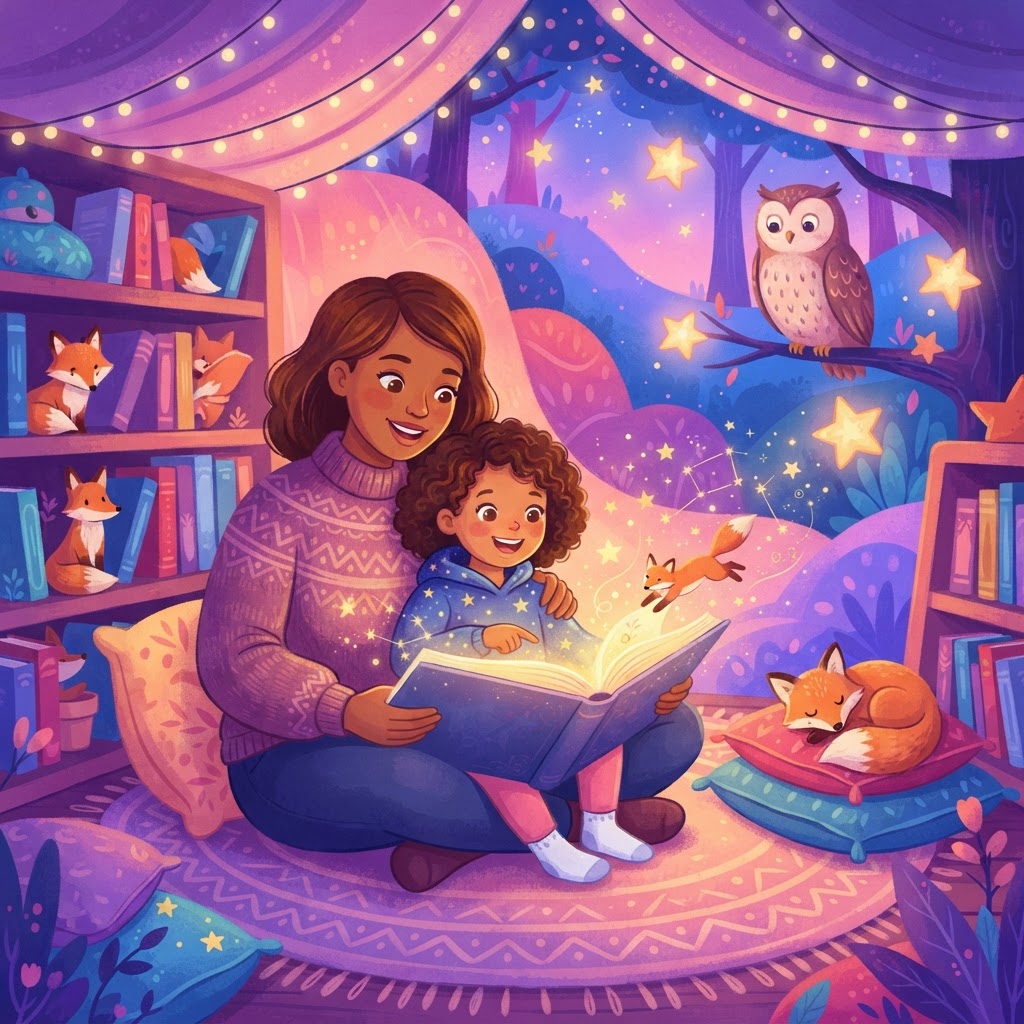
Few animals spark children’s imagination like foxes. With their bright eyes, fluffy tails, and quiet nighttime habits, foxes feel just a little bit magical. That is why foxes stories for kids work so well at bedtime: they offer adventure, gentle suspense, and plenty of chances to weave in real animal learning. In this guide, you’ll find story ideas, true fox facts, and simple prompts you can use to create personalized foxes bedtime stories with InstaTales.
Why are foxes such wonderful story characters for children?
Foxes make excellent story characters because they feel both familiar and mysterious. Children notice their playful faces and quick movements, while adults can use that curiosity to build language, empathy, and real-world knowledge.
Reading animal stories aloud supports early vocabulary, listening, and emotional connection. The American Academy of Pediatrics has long encouraged reading from infancy, and dialogic reading research by Grover Whitehurst shows that talking with children during stories helps language growth. In practice, that means stories about foxes can do more than entertain: they can help children ask questions, spot patterns, and remember facts.
Fox characters also work well across ages 1-10 because they can be:
- Gentle and cozy for toddlers
- Funny and adventurous for preschoolers
- Nature-rich and fact-based for early elementary readers
- Problem-solving heroes for older children
Which foxes stories for kids can you tell tonight?
The best foxes tales children remember combine imagination with one or two true facts. The story ideas below weave in real information from trusted wildlife sources such as The Wildlife Trusts, Defenders of Wildlife, and Animal Diversity Web.
The Moonlight Berry Hunt
A young fox sets out at dusk to find the shiniest berry in the forest for a sleepy sibling. Along the way, the fox listens carefully, tiptoes past rustling grass, and discovers that the forest feels different when the sun goes down.
- Real fox facts to weave in: Foxes are often most active at dusk and dawn. They are omnivores, so they may eat fruit as well as small animals and insects.
- AI prompt: “Write a gentle bedtime story for a 4-year-old about a young red fox searching for moonlit berries at dusk. Include true facts that foxes are active around dawn and dusk and that they eat fruit. Make it cozy, rhythmic, and 500 words.”
The Warm Tail Winter
In this story, a little fox gets nervous during a snowy night and learns how to stay calm and warm. An older fox shows how to curl up safely and use patience, listening, and a bushy tail for comfort.
- Real fox facts to weave in: A fox’s bushy tail helps with balance and can also help keep it warm when resting. Foxes can survive in cold habitats by using shelter and conserving warmth.
- AI prompt: “Create a soothing winter fox bedtime story for a 3-year-old. Feature a fox who learns to stay warm by curling up with its fluffy tail. Use simple language, a reassuring tone, and one gentle lesson about bravery.”
The Secret Den for New Kits
A parent fox prepares a quiet den before spring and teaches the older sibling why peace and patience matter. The story can focus on anticipation, caregiving, and the excitement of meeting baby kits.
- Real fox facts to weave in: Baby foxes are called kits. Foxes often use dens most when raising their young.
- AI prompt: “Write a springtime family story about fox parents preparing a den for new kits. Include the true facts that baby foxes are called kits and that foxes use dens when raising young. Make it warm and family-centered for ages 5-7.”
The Fox Who Heard the Snow Whisper
A clever fox hears tiny sounds under the snow and tries to solve the mystery. Instead of a scary chase, the story can become a listening adventure about sound, patience, and nature clues.
- Real fox facts to weave in: Foxes have excellent hearing. They can detect small animals moving under snow or grass.
- AI prompt: “Tell an adventurous but calm story for a 6-year-old about a fox using its amazing hearing to discover what is moving under the snow. Include one true science fact about fox hearing and end with wonder, not fear.”
The City Garden Fox
A fox explores a neighborhood at night and discovers garden paths, birdbaths, and a kind child who leaves the space undisturbed. This idea works well for children who live in towns and want stories about foxes that feel close to home.
- Real fox facts to weave in: Some foxes adapt very well to cities and suburbs. They can live near people if food and shelter are available.
- AI prompt: “Write a realistic modern story about a fox living near a city garden. Include the true fact that foxes can adapt to urban areas. Keep the tone gentle and curious for ages 6-8.”
The Forest Fox Language Club
A young fox wants to make friends but keeps sending the wrong signals. By the end, the fox learns that animals communicate in different ways, from body movements to calls and scent trails.
- Real fox facts to weave in: Foxes communicate with sounds, body language, and scent marking. Their calls can include barks or sharp cries.
- AI prompt: “Create a playful educational story for a 7-year-old about a fox learning how animals communicate. Include real facts about fox sounds and scent marking. Make it funny, kind, and easy to understand.”
How can parents turn foxes bedtime stories into gentle learning moments?
Parents can turn foxes bedtime stories into learning moments by adding just one fact and one question. That keeps the story magical while helping children build knowledge without feeling like they are in a lesson.
Try this simple rhythm during read-aloud time:
- Before the story: Ask, “What do you already know about foxes?”
- During the story: Pause once to say, “That part is true—foxes really do use their tails to keep warm.”
- After the story: Ask one open question, such as, “Why do you think the fox waited until dusk?”
This approach reflects dialogic reading strategies, which support comprehension and expressive language. It also helps children separate fantasy from reality in a healthy way. For children who love animal themes, you can extend learning with related reads like bear adventures or lion tales for kids.
A few practical tips:
- Keep facts short for ages 1-4.
- Add simple problem-solving for ages 5-7.
- Invite older children to compare foxes with other animals.
- Re-read favorites; repetition strengthens vocabulary and confidence.
How can you create personalized foxes tales children will ask for again?
You can create memorable foxes stories for kids by personalizing the main character, setting, and emotional theme. When a child hears their own name, favorite color, or familiar place in a story, engagement often rises right away.
With InstaTales, start by choosing a simple idea such as “a fox in a moonlit forest” or “a city fox who loves gardens.” Then add details your child cares about, like:
- Their first name
- Age range
- Favorite bedtime mood: cozy, silly, brave, or dreamy
- Learning goal: sharing, patience, nature facts, or confidence
A simple process works best:
- Visit create your own personalized bedtime story.
- Use one of the fox prompts above or adapt it with your child’s name.
- If you want a faster start, browse the story templates.
- Save the stories you want to revisit in your story library.
This can also work beautifully for classrooms or homeschool settings. Teachers can use fox stories to support nature units, descriptive writing, and speaking skills, then compare fox habitats with other animal story collections from the InstaTales blog. The key is to keep the tone age-appropriate: soft and repetitive for younger children, richer and more fact-focused for older ones.
Frequently Asked Questions
What age are foxes stories for kids best for?
Fox stories can work well for ages 1-10 when the tone and length match the child’s stage. Toddlers usually enjoy simple, repetitive fox tales, while older children often like adventure and real animal facts.
Are foxes bedtime stories too exciting before sleep?
Not if you keep the mood calm. Choose gentle plots, soft language, and reassuring endings instead of chase scenes or danger-heavy action.
How many real facts should I include in stories about foxes?
One or two facts per story is usually enough. That keeps the storytelling natural and helps children remember the information without interrupting the bedtime flow.
Can personalized foxes tales children enjoy also be educational?
Yes. Personalized stories often hold attention better, and attention is a key part of learning. When children care about the character, they are more likely to remember both the plot and the animal facts.
What are the best true fox facts for young children?
Start with easy, vivid facts: baby foxes are called kits, foxes are often active at dusk, and their fluffy tails help keep them warm. These facts are simple, visual, and easy to weave into bedtime storytelling.
Where can I find more animal story ideas?
If your child enjoys foxes, try other animal themes too. Comparing different creatures helps build knowledge and keeps bedtime reading fresh and fun.
Get a new bedtime story every week
Free, personalized, and delivered to your inbox. No spam, ever.
Ready to Create a Personalized Bedtime Story?
Use our free AI bedtime story generator to create a personalized illustrated story for your child in 30 seconds — no credit card needed.
Popular story types:
Maya Rodriguez
Lead Content Editor & Early Literacy Specialist
Maya is a former early childhood educator and literacy specialist with over a decade of experience helping children develop a love of reading. She leads content at InstaTales, where she writes about the science of storytelling, child development, and how families can use personalized AI stories to build literacy and emotional resilience.
instatales.ai