Kindness Stories for Kids: Parent Guide
Kindness is one of the most important values kids can learn. Here's how to use stories to teach them about being kind to others.
✦ Key Takeaways
- •Stories are effective because they help children practice empathy in a safe, memorable way.
- •Stories model kindness by showing what it looks like step by step.
- •The key is to make storytime interactive, not passive.
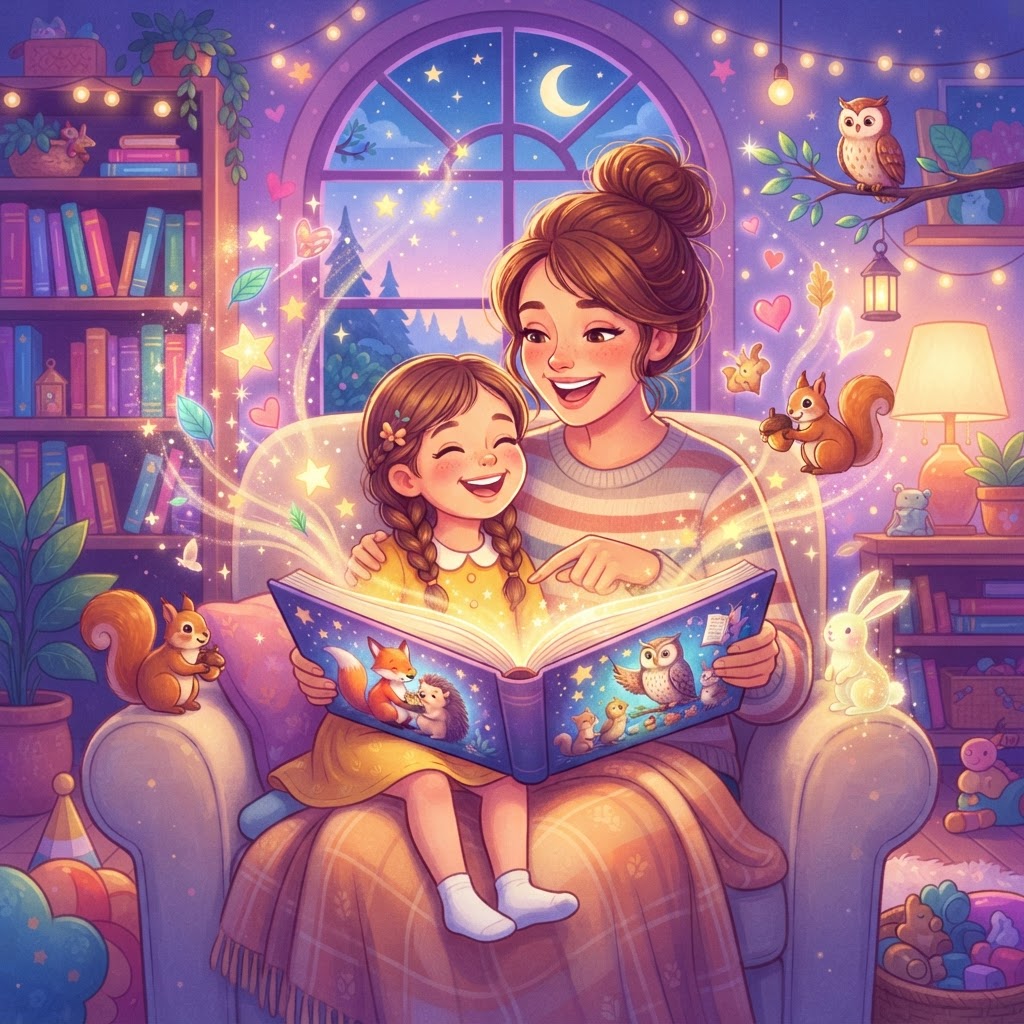
Children learn kindness best when they can see it in action. That is why kindness stories for kids can be so powerful: they turn big values like empathy, sharing, and helping into moments a child can understand. A story about a worried bunny, a left-out classmate, or a sibling who learns to apologize gives children a safe way to explore caring behavior.
The good news is that teaching kindness through stories does not need to be complicated. With the right prompts, a few thoughtful questions, and regular re-reading, stories can help children notice feelings, think about choices, and practice kinder habits in everyday life.
Why are kindness stories for kids so effective?
Stories are effective because they help children practice empathy in a safe, memorable way. When kids follow a character through a problem, they get to ask, “How does that person feel?” and “What would help?” without the pressure of a real-life conflict.
This matters because kindness is not just a rule. It is a set of social-emotional skills: noticing others, understanding feelings, and making helpful choices. Research summarized by CASEL’s SEL framework shows that children benefit when adults intentionally teach relationship skills, empathy, and responsible decision-making.
Stories also support what child development experts already know: children learn best through warm relationships, repetition, and conversation. The Center on the Developing Child at Harvard University emphasizes that back-and-forth interactions build important social and emotional skills. In storytime, that can look like pausing to ask, “Why do you think the bear helped his friend?”
For young children especially, stories make abstract values concrete. “Be kind” is vague. But “Lila noticed Max was sitting alone and asked him to join her game” is clear, visual, and easy to copy.
How do stories model kindness in ways children understand?
Stories model kindness by showing what it looks like step by step. Instead of only telling children to be nice, a story shows them how kindness starts, what it sounds like, and how it affects others.
The best stories about kindness often include a simple pattern:
- A character notices a need
- The character feels something about it
- The character makes a choice
- Someone experiences the impact of that choice
- The story ends with connection, repair, or gratitude
This structure helps children understand that kindness is active. It is not only saying “be good.” It is offering help, inviting someone in, sharing, listening, apologizing, or trying again.
Stories are also useful because they can show that kindness is not always easy. Sometimes a character feels jealous, shy, or frustrated first. That is realistic, and it is important. Children need to know that being kind is often a choice we make even when big feelings are present.
This is one reason many educators use story-based character lessons alongside other topics like growth mindset stories. Both help children learn that values are practiced, not magically mastered.
How can adults turn storytime into real-life kindness practice?
The key is to make storytime interactive, not passive. When adults talk about feelings, choices, and next steps, children are much more likely to carry the lesson into real life.
A simple before-during-after approach works well:
Before reading
Set a small focus. You might say:
- “Today let’s listen for a kind choice.”
- “Let’s see how the character helps someone.”
- “Pay attention to how the friend feels at the end.”
During reading
Pause briefly and ask open questions:
- “What do you think she noticed?”
- “How is he feeling right now?”
- “What could be a kind thing to do?”
This kind of back-and-forth is supported by research on dialogic reading and early language development. It also fits guidance from NAEYC on promoting social and emotional competence, which highlights the value of talking with children about emotions, problem-solving, and relationships.
After reading
Connect the story to real life:
- “When have you felt left out like that?”
- “What is one kind thing we can do today?”
- “How can we fix things if we hurt someone by mistake?”
The most effective random acts of kindness stories do not stop at the last page. They lead to a small action: drawing a card for Grandma, helping a sibling clean up, or inviting a classmate to play.
If you already use stories to teach everyday habits, this is similar to how families use story-based safety lessons. The story creates understanding, and the follow-up conversation turns that understanding into action.
What are five kindness story prompts you can use tonight?
The best prompts are simple, relatable, and centered on one clear kindness skill. Start with a familiar setting, give the character a small challenge, and end with a meaningful act of care.
1. The child who noticed the lonely dragon
A child meets a dragon at the park who looks grumpy, but is really lonely. Everyone is scared of him, so the child chooses to say hello and invite him into a game.
Discussion questions:
- Why did the dragon seem mean at first?
- What changed when someone took time to notice him?
- How can we include someone who seems shy or different?
2. The missing lunch at school
A classmate forgets their lunch and tries to hide it because they feel embarrassed. The main character quietly shares food and helps the teacher solve the problem without making the child feel worse.
Discussion questions:
- How might the classmate feel inside?
- Why is private kindness sometimes important?
- What are kind ways to help without showing off?
3. The secret sidewalk helper
A neighborhood child decides to do one small kind thing for different people each day: pick up dropped mail, water a wilting flower, or leave a cheerful note. This works especially well as one of your random acts of kindness stories.
Discussion questions:
- Which kind act made the biggest difference?
- Do kind acts have to be big to matter?
- What secret kind thing could we do tomorrow?
4. The sibling who made a mistake
Two siblings argue over a toy, and one says something hurtful. The story focuses on repair: calming down, apologizing, and doing something thoughtful to rebuild trust.
Discussion questions:
- Why is apologizing part of kindness?
- What makes an apology feel sincere?
- How can we fix things after we make a poor choice?
5. The rainy-day helper mission
A storm changes everyone’s plans, and people in the story feel disappointed. The main character finds ways to help: sharing umbrellas, checking on a neighbor, and comforting a younger child.
Discussion questions:
- How did the character notice what others needed?
- What kind act would you choose in that situation?
- How can hard days create chances to be kind?
These prompts work well at bedtime, in classrooms, or as writing starters. If your child likes themed stories, you can also borrow structure from other familiar topics, such as weather or seasonal adventures, then add a kindness lesson at the center.
How can InstaTales help you create personalized kindness stories?
InstaTales makes kindness lessons more meaningful by personalizing them to your child’s world. When a story includes your child’s name, favorite animal, common challenge, or daily routine, the lesson feels real instead of generic.
A simple way to begin is to create your own personalized bedtime story around one kindness goal. Choose a setting your child knows well, like school, bedtime, the playground, or a grandparent’s house. Then build the story around one skill, such as sharing, including others, apologizing, or helping.
You can make this even easier by starting with story templates. A template gives you a strong structure, while you add the personal details that matter most to your child.
Here is a useful prompt formula:
- Main character: your child
- Setting: a familiar place
- Challenge: someone feels left out, sad, worried, or frustrated
- Kindness skill: noticing, helping, sharing, apologizing, or encouraging
- Ending: a clear positive impact
For example:
“Create a bedtime story for Ava, age 6, set at the playground. A new child feels too shy to join the game. Ava notices, invites them in, and learns how small acts of kindness can make someone feel welcome.”
Personalized stories are also easier to revisit. When you save favorites in your story library, you can re-read them before school, after a tough social moment, or as part of a weekly family kindness routine.
Used this way, InstaTales becomes more than entertainment. It becomes a gentle tool for teaching kindness through stories in a way that fits your child’s age, interests, and real-life needs.
Frequently Asked Questions
What age should I start using kindness stories?
You can start very early, even with toddlers. For ages 1-3, keep stories short and concrete, focusing on simple actions like helping, hugging, sharing, and noticing feelings.
How long should a kindness story be?
Shorter is usually better, especially for young children. A 3-7 minute story with one clear kindness lesson is often more effective than a long story with too many messages.
Are fictional stories or real-life examples better for teaching kindness?
Both can work well. Fiction helps children explore feelings safely, while real-life examples help them connect the lesson to everyday behavior.
What if my child enjoys the unkind character more than the lesson?
That can happen, especially if the character is funny or dramatic. Pause and talk about consequences, repair, and better choices so the child focuses on the full story, not just the behavior.
How often should we read kindness stories?
A few times a week is enough to make a difference. Re-reading the same favorite story can be especially powerful because repetition helps children remember the language and the lesson.
Ready to Create a Personalized Bedtime Story?
Use our free AI bedtime story generator to create a personalized illustrated story for your child in 30 seconds — no credit card needed.
Popular story types:
Maya Rodriguez
Lead Content Editor & Early Literacy Specialist
Maya is a former early childhood educator and literacy specialist with over a decade of experience helping children develop a love of reading. She leads content at InstaTales, where she writes about the science of storytelling, child development, and how families can use personalized AI stories to build literacy and emotional resilience.
instatales.ai