Nature Stories for Kids: Teach Through Storytelling
Connect your child to the natural world through stories. Here's how to use storytelling to teach kids about nature, seasons, and the environment.
✦ Key Takeaways
- •Nature stories are powerful because they connect facts to feelings.
- •The easiest way to teach nature through stories is to start with one true fact and build a simple plot around it.
- •The best nature story prompts are simple, sensory, and open-ended.
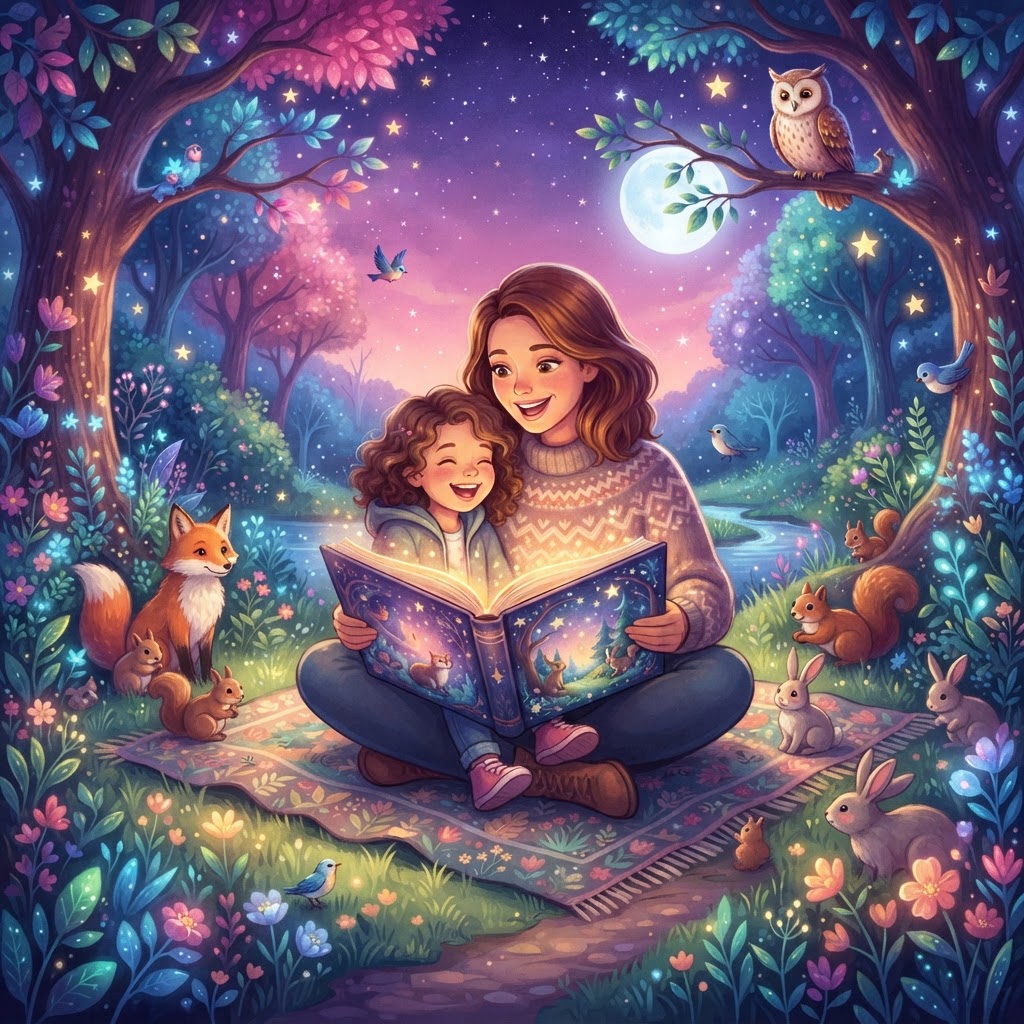
Stories can turn a walk to the park, a rainy afternoon, or a bedtime routine into a child’s first lesson in ecology. When you use nature stories for kids, you help children notice patterns, ask questions, and build an emotional bond with the living world.
That bond matters. Research in environmental education shows that positive childhood experiences in nature are linked to later care for the environment, including classic findings from researchers like Nancy Wells, Kristi Lekies, and Louise Chawla. In other words, teaching nature through stories is not just charming—it is a smart, research-backed way to help children learn.
Why are nature stories for kids such a powerful teaching tool?
Nature stories are powerful because they connect facts to feelings. Children remember ideas better when they are wrapped in characters, action, and sensory detail, not presented as dry information.
A young child may not remember the term “pollination,” but they will remember a brave bee carrying golden dust from flower to flower to help a garden wake up. That is the magic of story. It gives children a reason to care before asking them to understand.
This also fits what we know about child development. The Harvard Center on the Developing Child explains that young children learn best through warm relationships, responsive language, and meaningful experiences. Stories support all three. They create connection, invite conversation, and make abstract ideas easier to grasp.
Nature-themed storytelling also helps children build:
- Observation skills by noticing animals, weather, plants, and seasonal changes
- Vocabulary through words like nest, stream, migrate, sprout, and habitat
- Empathy for living things
- Early science thinking through patterns, cause and effect, and prediction
- Confidence outdoors by making natural spaces feel familiar
For parents, this means you do not need a formal science lesson. A simple story about a squirrel storing acorns can introduce memory, seasons, food cycles, and preparation.
How can you weave real nature facts into stories without making them feel like lessons?
The easiest way to teach nature through stories is to start with one true fact and build a simple plot around it. Keep the fact accurate, but let the story carry the learning.
Think of the structure as: fact + feeling + problem + discovery.
For example:
- Fact: Owls are nocturnal.
- Feeling: A young owl feels proud of seeing in the dark.
- Problem: A daytime bird does not understand why the owl sleeps so much.
- Discovery: They learn that different animals are active at different times for good reasons.
This approach works because it keeps the science real while staying child-friendly. The North American Association for Environmental Education also emphasizes that effective environmental learning should be relevant, engaging, and connected to real-world experience.
A simple formula for building outdoor stories children love
Use this quick pattern when creating your own stories:
- Choose one nature fact
- Pick one relatable character: a child, animal, raindrop, seed, or tree
- Add one gentle challenge
- End with one satisfying discovery
Here are a few nature facts that fit beautifully into stories:
- Butterflies begin as caterpillars
- Trees lose leaves to conserve energy
- Worms help soil stay healthy
- Bees help flowers make seeds
- Tides change with the moon’s pull
- Some birds migrate when seasons change
To keep the story natural, avoid stopping to explain too much. Instead of saying, “This is called hibernation,” you might say, “The little bear’s body was made for a long winter sleep.” You can name the concept after the story if your child asks.
If you want help shaping a story quickly, InstaTales makes it easy to create your own personalized bedtime story with your child’s age, favorite animals, and learning theme built in. And if you like having a starting point, the built-in story templates can help you turn a nature fact into a bedtime tale in minutes.
What are five easy nature story prompts to try tonight?
The best nature story prompts are simple, sensory, and open-ended. They should invite wonder while leaving room for your child’s imagination.
Try these five prompts for bedtime, quiet time, or classroom circle time:
1. What did the raindrop see on its trip to the ground?
A tiny raindrop falls from a cloud, lands on a leaf, slides into a stream, and eventually reaches the ocean. This prompt teaches the water cycle in a gentle way.
2. Why did the little seed wait so patiently underground?
A small seed listens for warm soil, spring rain, and sunlight before it begins to grow. This is a lovely way to explore seasons, plant life cycles, and patience.
3. How did the lost ladybug find the right garden?
A ladybug travels through different outdoor spaces looking for the plants and insects that belong in her habitat. This can introduce habitats, food chains, and observation.
4. What happened when the fox followed the moonlight through the woods?
A fox moves through the forest at night and notices which animals are sleeping and which are awake. This prompt is perfect for teaching nocturnal and diurnal behavior.
5. Why did the old oak tree know every season by heart?
An oak tree watches buds open, birds nest, leaves change, and snow settle over many years. This prompt works well for children learning about seasonal cycles and long-term change in nature.
If your child loves helping invent details, ask:
- “What color was the sky?”
- “Which animal did the character meet next?”
- “How did the forest sound?”
- “What did the character learn?”
That back-and-forth is great for language growth. It is also a helpful bridge if you are making up bedtime stories on the spot and want a structure that still feels creative.
How can stories prepare children for outdoor adventures?
Stories can make outdoor time feel safer, more exciting, and more meaningful. Reading or telling a story before a walk helps children know what to look for and lowers anxiety about new places.
This is especially useful for younger children or children who feel unsure outside. A story about a child listening for bird calls on a trail can help your own child feel ready to do the same. In that way, outdoor stories children hear before an adventure can shape what they notice during the real experience.
Before heading outside, tell a short story that includes:
- The place you are going: park, beach, garden, woods
- One or two things to notice: leaves, bugs, clouds, puddles
- A simple role for your child: helper, explorer, bird detective, weather watcher
- A calm expectation: walk gently, look closely, ask questions
For example, before visiting a pond, you might tell a story about a frog who needs a careful observer to spot dragonflies without scaring them away. Your child then arrives with a purpose.
This strategy supports what the U.S. EPA’s environmental education resources encourage: helping children connect learning to direct experience. The story creates anticipation; the outdoor moment makes it real.
After the outing, invite your child to retell the adventure as a story. That reflection strengthens memory and comprehension. You can even use a simple story structure like the ones described in this guide to story maps for kids.
How can you use InstaTales to create nature-themed tales that fit your child?
InstaTales can help you create personalized nature stories that match your child’s age, interests, and learning level. Personalization matters because a child who loves foxes, rainstorms, or digging in the garden will engage more deeply with a story built around those interests.
You might create a tale about:
- Your child helping bees find spring flowers
- A shy hedgehog learning about nighttime woodland sounds
- A beach adventure that explains tides and shells
- A mountain story about weather, clouds, and eagles
To make the story more educational, include:
- A specific ecosystem: forest, pond, desert, beach, garden
- A real science idea: migration, camouflage, pollination, composting
- An emotional theme: curiosity, courage, kindness, patience
This is also where personalized storytelling can support social-emotional learning. A child who feels nervous about bugs may enjoy a gentle story that makes insects less scary and more understandable. That same approach is often useful when using stories to build your child’s confidence.
Once you make a story, save it in your story library so you can revisit favorite themes across seasons. Teachers can also use InstaTales for teachers to create class stories tied to weather units, plant studies, or outdoor observation journals.
A few practical prompts to use in InstaTales:
- “Create a bedtime story for a 4-year-old about a raindrop traveling through the water cycle.”
- “Write a calm forest story for a 6-year-old about how animals prepare for winter.”
- “Make a story about a child exploring a tide pool and learning to protect sea creatures.”
- “Tell a story about a garden worm teaching soil health to a curious child.”
What should parents and teachers remember when teaching nature through stories?
Keep it accurate, age-appropriate, and rooted in wonder. Children do not need a perfect lecture; they need truthful stories that help them love paying attention.
A few best practices make a big difference:
- Start small. One fact per story is enough for toddlers and preschoolers.
- Use sensory language. Talk about crunching leaves, cool mud, or a buzzing bee.
- Welcome questions. “Why do birds fly south?” is the beginning of learning.
- Connect stories to real life. Tell a seed story before planting seeds.
- Repeat favorite stories. Repetition helps children absorb both language and science ideas.
It also helps to remember that not every nature story must be about “saving the planet.” For young children, the first goal is connection. Care usually grows after familiarity. As environmental educator Louise Chawla’s work suggests, affection for nature often begins in simple, positive experiences—not in fear.
Frequently Asked Questions
What age are nature stories best for?
Nature stories work well for children from toddlerhood through the early elementary years. For younger children, keep stories short and sensory; for older children, add more detailed facts and bigger environmental themes.
Can stories really teach science concepts?
Yes, stories are a strong way to introduce science concepts in an age-appropriate form. They help children remember ideas like habitats, life cycles, seasons, and weather because the information is tied to characters and events.
How long should a nature story be?
For toddlers, aim for 2-5 minutes. For children ages 5-10, 5-10 minutes is often enough to hold attention while still leaving room for questions and discussion.
Should nature stories always include real facts?
It is best if the main science idea is accurate, even if the character is fictional. A talking tree can be playful, but the seasonal changes it describes should still reflect how trees really live.
How can I use stories after an outdoor activity?
Ask your child to retell what they saw as a mini adventure story. This helps with memory, vocabulary, and comprehension, while reinforcing what they noticed in the natural world.
Ready to Create a Personalized Bedtime Story?
Use our free AI bedtime story generator to create a personalized illustrated story for your child in 30 seconds — no credit card needed.
Popular story types:
Maya Rodriguez
Lead Content Editor & Early Literacy Specialist
Maya is a former early childhood educator and literacy specialist with over a decade of experience helping children develop a love of reading. She leads content at InstaTales, where she writes about the science of storytelling, child development, and how families can use personalized AI stories to build literacy and emotional resilience.
instatales.ai