Stories for Kids Who Have Nightmares: Gentle Help
If your child have nightmares, the right story can help. Here are story ideas and tips for parents dealing with have nightmares.
✦ Key Takeaways
- •Yes, stories can help because they give children a safe way to process fear.
- •The best stories for children who have nightmares are gentle, short, and predictable.
- •These story ideas work because they validate fear without feeding it.
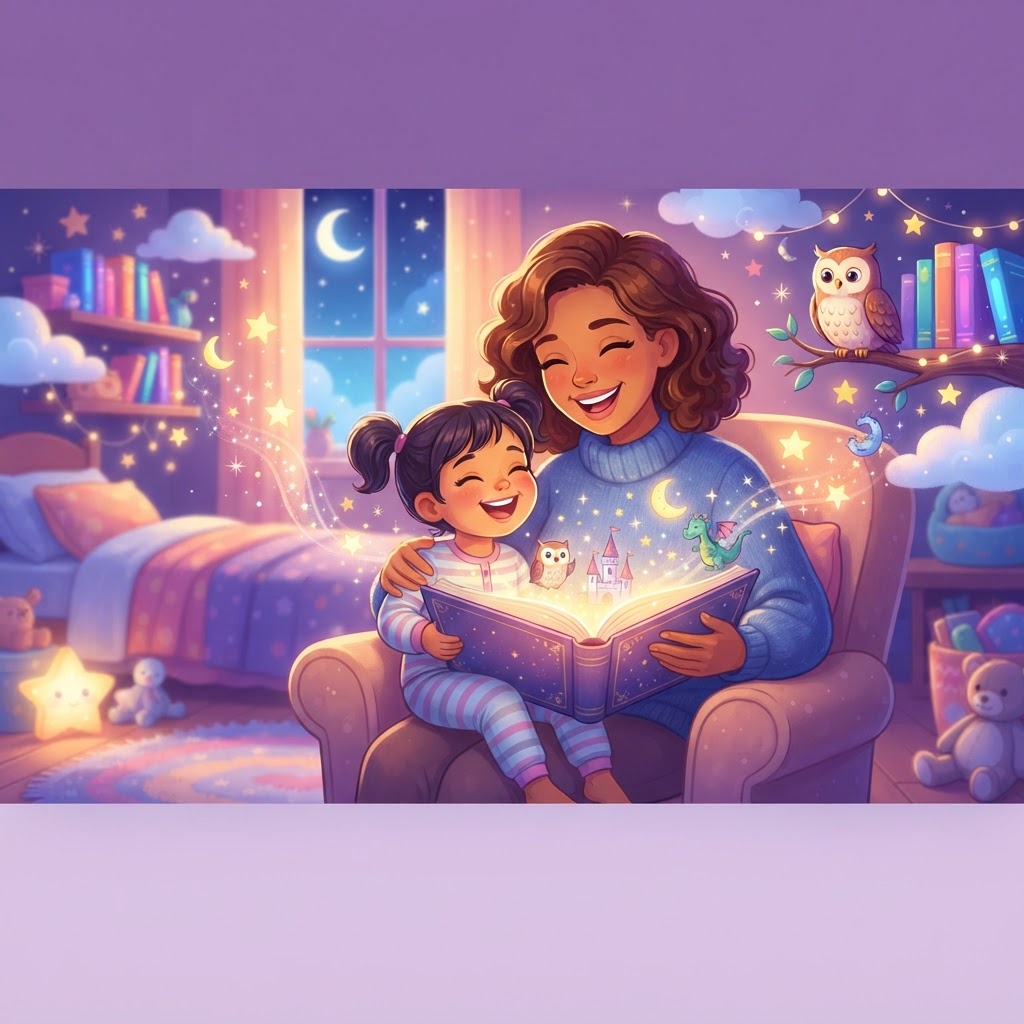
If your child wakes up scared, clingy, or worried about going back to sleep, the right story can help. Stories for kids who have nightmares work best when they make a child feel safe, understood, and gently in control again.
Many parents search for have nightmares stories because bedtime fear can feel urgent and exhausting. The good news is that simple, well-shaped stories can support emotional regulation, make scary images feel less powerful, and turn bedtime into a calmer routine.
Why do stories help kids who have nightmares?
Yes, stories can help because they give children a safe way to process fear. A gentle story creates emotional distance: the scary feeling is still there, but it belongs to a character first, which makes it easier for a child to handle.
Child development research supports this. Young children often use pretend play, repetition, and narrative to make sense of big feelings. Organizations such as the American Academy of Pediatrics also emphasize calm routines and reassurance when children have nightmares. Predictable bedtime routines are linked with better sleep and fewer bedtime struggles, and the National Heart, Lung, and Blood Institute notes that healthy sleep habits matter for mood, behavior, and learning.
Stories help in a few specific ways:
- They reduce uncertainty. Children fear what feels confusing or out of control.
- They model coping. A character can breathe, ask for help, turn on a night-light, or use a comfort object.
- They reframe scary images. A shadow becomes a coat. A monster becomes a worried creature who needs a friend.
- They create routine. Reading the same calming story each night can signal safety to the brain.
For many families, combining a story with a soothing bedtime pattern works best. If your child is also keyed up before sleep, these calming bedtime stories can pair well with nightmare support.
What kinds of stories work best for children who have nightmares?
The best stories for children who have nightmares are gentle, short, and predictable. They should lower arousal, not build suspense.
Look for stories with these features:
- A safe emotional tone from the first page
- A capable child character who gets help and solves a small problem
- Repetition, such as “You are safe, you are loved, you can rest”
- Sensory comfort, like soft blankets, warm light, quiet rain, or a sleepy pet
- A clear happy ending with the child calm and back in bed
For toddlers and preschoolers, simple plots work best. For older children, you can add a little more adventure, but keep the danger low and the resolution quick.
This is especially important when helping kids who have nightmares. A bedtime story should not “teach bravery” by adding more scary details. It should teach safety, coping, and repair.
Which 5 story ideas can gently address nightmares?
These story ideas work because they validate fear without feeding it. Each one can be adapted for toddlers, preschoolers, or older kids.
1. The dream helper animal
A child meets a sleepy fox, bunny, or bear who visits only at bedtime. The animal teaches one simple trick, like blowing slow “moon breaths” or imagining a golden blanket over the bed.
Why it helps: young children often trust animal characters more easily than adults in stories. The helper becomes a repeatable symbol of safety.
2. The night-light that checks every corner
In this story, a friendly night-light makes a cozy sweep of the room. It shines on the curtains, under the bed, and near the closet, showing that everything is ordinary and safe.
Why it helps: nightmares often spill into fear of the bedroom itself. This story gently rebuilds trust in the real space around the child.
3. The silly monster who forgot how to be scary
A “monster” shows up, but instead of roaring, it sneezes glitter, loses its socks, or asks where the bedtime books are. The child teaches it how to whisper and tuck itself into its own tiny bed.
Why it helps: humor can shrink fear. Research and clinical practice both show that playful reframing can reduce the emotional power of scary images for many children.
4. The magic dream door
Before sleep, the child closes an imaginary door to bad dreams and opens another door to kind dreams. Behind the kind door are favorite things: a grandparent, a beach, a pet, a flying balloon, or a garden of stars.
Why it helps: this gives children a sense of agency. They cannot fully control dreams, but they can practice a calming mental ritual.
5. The bedtime team
The child is never alone. Their blanket, stuffed animal, pillow, parent, and night-light form a “bedtime team” whose job is to protect rest until morning.
Why it helps: children regulate through connection. The Center on the Developing Child at Harvard University explains how responsive caregiving supports emotional security, and that secure base matters at night too.
If your child resists standard bedtime books, mixing these ideas with more playful formats can help. You might also like these bedtime stories for kids who get bored easily.
What should parents avoid in stories about nightmares?
Avoid stories that increase fear, shame, or stimulation. The goal is to settle the nervous system, not to create a dramatic lesson.
Here is what to skip:
- Too much scary detail. Do not describe claws, chasing, darkness, or being trapped.
- Big plot twists. Surprises can raise alertness right before sleep.
- Shaming language. Avoid lines like “big kids are not scared.”
- Forced happy talk. Children do better when you first say, “That felt scary,” before moving to comfort.
- Long stories. Overtired children need short, soothing rhythms.
- Screens right before bed. Even “sleepy” videos can keep some children more alert.
It also helps to avoid making the story a test. If your child does not want to talk about the nightmare, that is okay. Read, cuddle, reassure, and return to sleep.
Parents looking for have nightmares children stories sometimes accidentally choose books that are really spooky stories with a neat ending. Those can work for some older children in daylight, but they are usually a poor fit right before sleep.
How can you prompt InstaTales to create stories for kids who have nightmares?
The best prompt is specific, gentle, and age-matched. When you create your own personalized bedtime story, tell InstaTales exactly what should happen, what should not happen, and how the story should end.
A strong prompt usually includes:
- Your child’s age
- Their favorite comfort themes like animals, stars, or family
- The fear to address in simple words
- A calm tone
- A short length
- A reassuring ending
- Anything to avoid, like monsters, darkness, or separation
Try prompts like these:
- “Write a 5-minute bedtime story for a 4-year-old who has nightmares about shadows. Make it gentle, cozy, and repetitive. Include a bunny night guard, soft moonlight, and a happy ending back in bed. No scary details.”
- “Create a story for a 7-year-old about a child who learns a dream-door routine to feel safe after bad dreams. Use warm language, a little humor, and one calming phrase repeated three times.”
- “Write a toddler story about a teddy bear helping a child go back to sleep after a scary dream. Keep sentences simple and soothing.”
If you want a faster start, browse story templates. Once you find a version your child loves, save it in your story library so you can re-read the same soothing story during rough weeks. Repetition often matters more than novelty when helping kids who have nightmares.
For more family reading support, you can also explore the InstaTales blog, including guides for children with other bedtime challenges such as stories for kids who struggle with reading.
When should parents seek extra help for nightmares?
Most nightmares are a normal part of development, especially between ages 3 and 10. But if nightmares are frequent, intense, or affecting daytime life, it is wise to ask for professional support.
Contact your pediatrician if your child:
- Has nightmares several times a week for multiple weeks
- Is afraid to sleep alone after previously sleeping well
- Seems unusually anxious, sad, or irritable during the day
- Has nightmares after a stressful event or trauma
- Snores heavily, sleepwalks, or seems very restless at night
The Child Mind Institute notes that recurring nightmares can sometimes connect with anxiety, stress, or trauma. A pediatrician, child therapist, or sleep specialist can help you figure out what is driving the problem and what support will help most.
Frequently Asked Questions
Are nightmares normal in young children?
Yes. Nightmares are common in childhood, especially during the preschool and early school years when imagination grows quickly. They usually do not mean anything is seriously wrong.
What is the best bedtime story style for kids who have nightmares?
Short, calm, and predictable stories work best. Choose stories with gentle language, a safe helper, and a clear peaceful ending.
Should I talk about the nightmare in the story?
Sometimes, but keep it light. You can name the feeling or the theme without repeating vivid scary details that may make bedtime harder.
Can personalized AI stories help children who have nightmares?
They can, if they are used thoughtfully. Personalized stories let you match the child’s age, interests, and fears while keeping the tone soothing and safe.
How long should a nightmare story be?
Usually 3 to 7 minutes is enough. If the story is too long, an overtired child may become more alert instead of more relaxed.
What if stories do not help my child’s nightmares?
If nightmares stay frequent, distressing, or start affecting daytime mood and behavior, talk with your pediatrician. Stories are a helpful tool, but they are not a substitute for medical or mental health support when deeper issues are present.
Ready to Create a Personalized Bedtime Story?
Use our free AI bedtime story generator to create a personalized illustrated story for your child in 30 seconds — no credit card needed.
Popular story types:
Maya Rodriguez
Lead Content Editor & Early Literacy Specialist
Maya is a former early childhood educator and literacy specialist with over a decade of experience helping children develop a love of reading. She leads content at InstaTales, where she writes about the science of storytelling, child development, and how families can use personalized AI stories to build literacy and emotional resilience.
instatales.ai