Stories that teach inclusion to kids
Help your child learn inclusion through the power of storytelling. Tips, story ideas, and discussion questions for parents and teachers.
✦ Key Takeaways
- •Stories are effective because children learn values best through emotion, repetition, and example.
- •A strong inclusion story is simple, specific, and hopeful.
- •The best story scenarios show inclusion in everyday moments children recognize.
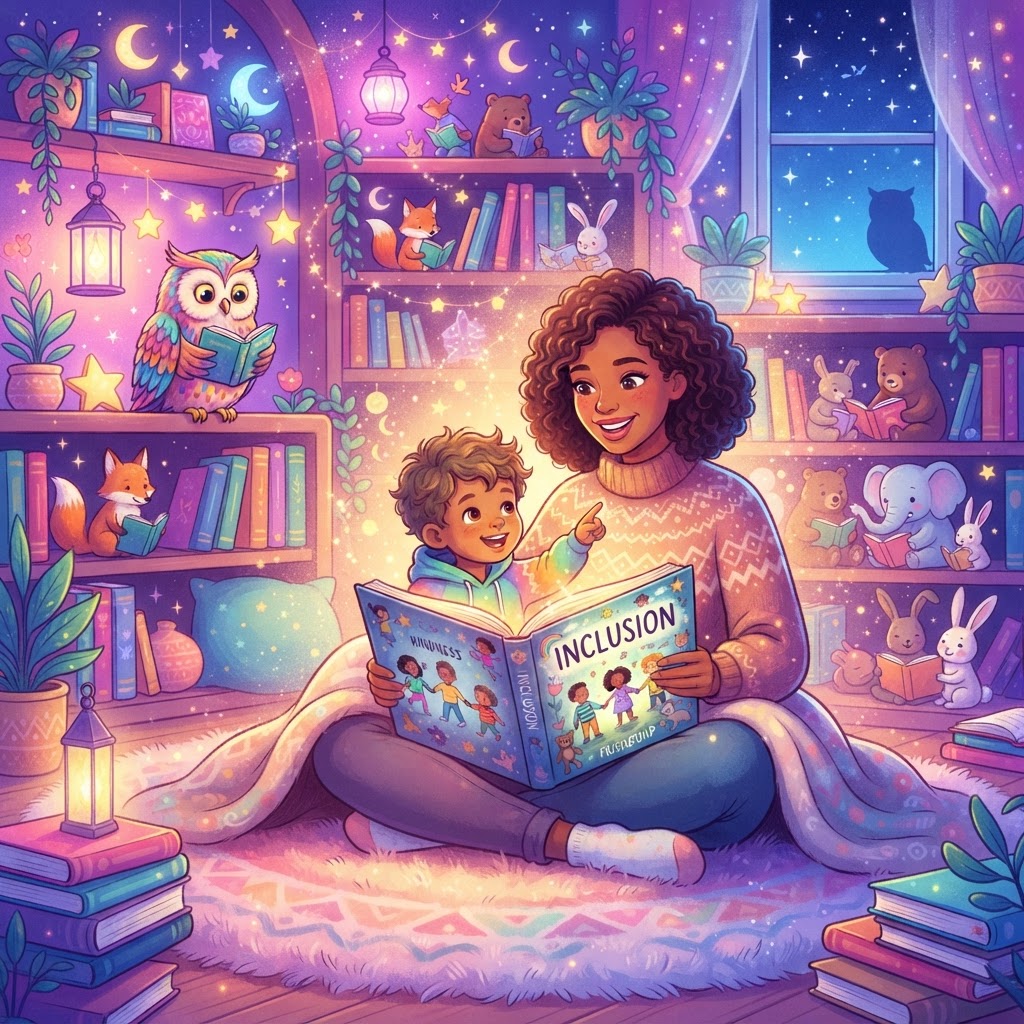
Stories can make inclusion feel real, kind, and doable for children. When kids hear characters welcome someone new, make space for different needs, or learn to work across differences, they get more than a lesson—they get a picture of how caring behavior looks in everyday life. This guide will help parents and teachers use inclusion stories for kids, ask better follow-up questions, and create meaningful inclusion bedtime stories with InstaTales.
Why are stories so effective for teaching inclusion to children?
Stories are effective because children learn values best through emotion, repetition, and example. A good story lets a child step into someone else’s experience, which supports empathy, perspective-taking, and social awareness.
This matters because inclusion is not just a rule like “be nice.” It is a set of habits: noticing who is left out, understanding differences, and taking action to help everyone belong. These skills align closely with the social-emotional learning competencies described by CASEL, especially social awareness and relationship skills.
Child development research supports this approach. The Center on the Developing Child at Harvard University explains that warm relationships and back-and-forth interactions help children build social and emotional skills. Stories create those interactions when adults pause, ask questions, and connect the plot to real life.
In practice, teaching inclusion to children through stories works well because stories can:
- show different identities and abilities in a safe, gentle way
- model mistakes and repair without shame
- give children language for fairness, kindness, and belonging
- make abstract values concrete through characters and choices
If you also want to build connected values, stories about respect, forgiveness, and patience can reinforce the same social skills.
What makes a good inclusion bedtime story for kids?
A strong inclusion story is simple, specific, and hopeful. It should show a real social challenge, a caring response, and a satisfying resolution where everyone’s dignity is protected.
The best moral stories about inclusion usually include:
- A relatable problem: someone feels left out, misunderstood, or underestimated
- Visible differences: language, culture, disability, learning style, family structure, or personality
- Kind action: a child notices, listens, adapts, or invites
- Belonging: the ending shows not just “helping,” but true participation
Try to avoid stories where one child is “saved” by another in a pity-based way. Inclusion is not about making one character the hero and another the problem. It is about helping children see that everyone brings value, and communities grow stronger when they make room for differences.
For younger children ages 1-4, keep the plot short and repetitive. For ages 5-10, add more dialogue, emotional nuance, and problem-solving. If you want a quick starting point, InstaTales has story templates that can help you shape age-appropriate themes.
What are five story scenarios that demonstrate inclusion?
The best story scenarios show inclusion in everyday moments children recognize. Below are five examples you can use at home, in class, or when creating inclusion bedtime stories.
1. A new classmate speaks a different language
A child joins the class and knows only a few words in the local language. At first, the other children do not know how to play together, but one child starts using gestures, pictures, and simple words to include them in a game.
What children learn: Inclusion can begin with effort, not perfection. You do not need to speak the same language to show welcome and friendship.
Discussion questions:
- How do you think the new child felt on the first day?
- What helped them feel included?
- What could you do if someone at school spoke differently from you?
2. A child with a mobility aid wants to join the adventure
A group of friends plans a treasure hunt in the park. They realize part of the path will not work for one friend who uses a wheelchair, so they redesign the clues and route so everyone can join.
What children learn: Inclusion sometimes means changing the plan so everyone can participate. Fair is not always “the same.”
Discussion questions:
- Was changing the game a good idea? Why?
- How is making a new route different from leaving someone out?
- Can you think of a time when a plan should be adjusted for someone?
3. A birthday party feels too loud for one guest
At a birthday party, one child becomes overwhelmed by loud music and crowded games. The host notices and creates a quiet craft corner, then offers choices so guests can join in different ways.
What children learn: Children have different sensory needs, and inclusion can look like offering options instead of expecting everyone to enjoy the same experience.
Discussion questions:
- What signs showed that the child was uncomfortable?
- How did the host make the party more welcoming?
- What are different ways people can have fun together?
4. A team project works better when every child contributes differently
In a classroom garden project, one child is great at drawing signs, one loves digging, one remembers instructions, and one notices when plants need water. At first, the children argue about who is “best,” but they learn the garden grows because each strength matters.
What children learn: Inclusion includes valuing different abilities, learning styles, and ways of helping.
Discussion questions:
- Which job in the garden seemed most important?
- Did everyone contribute in the same way?
- What is something special you bring to a group?
5. A holiday celebration includes many family traditions
A neighborhood plans a celebration, but the decorations and foods reflect only one tradition. The children decide to ask each family to share a song, food, color, or story from their home culture.
What children learn: Inclusion means making space for many identities, not expecting everyone to fit one norm.
Discussion questions:
- Why did some families feel left out at first?
- How did the celebration change after everyone shared?
- What traditions are important in your family?
These kinds of inclusion stories for kids work well because they are concrete, positive, and easy to connect to real life.
How can parents and teachers prompt InstaTales for inclusion-themed stories?
The best prompts are clear, child-centered, and specific about the value you want to teach. When you describe the child’s age, the social situation, and the kind tone you want, the story becomes more useful and more personal.
A simple prompt formula is:
- child’s age
- setting
- inclusion challenge
- emotional goal
- ending style
- optional discussion question
Here are five sample prompts you can use when you create your own personalized bedtime story:
- “Write a gentle bedtime story for a 4-year-old about a new child at preschool who speaks a different language. Show how kindness, gestures, and play can help everyone feel included. End with a warm, happy friendship.”
- “Create a story for a 6-year-old about friends planning a treasure hunt that includes a child who uses a wheelchair. Make the message about fairness and belonging.”
- “Write an inclusion bedtime story for a 5-year-old about a birthday party where one child needs a quieter space. Keep the tone calm and reassuring.”
- “Create a classroom story for ages 7-8 about children working on a garden project and learning that different strengths matter. Include a clear moral about teamwork and inclusion.”
- “Write a story for an 8-year-old about a neighborhood celebration where families share different cultural traditions. Focus on curiosity, respect, and joy.”
For teachers, it helps to tie the prompt to a social goal or lesson plan. You can also save strong examples in your story library or explore classroom uses through InstaTales for teachers.
How can adults help children understand the lesson after the story ends?
The follow-up conversation is often where the learning sticks. A short, calm discussion helps children move from “that was a nice story” to “I know what inclusion looks like in my life.”
After reading, try these simple steps:
- Name the feeling: “Who felt left out? How could you tell?”
- Name the action: “What did someone do to include them?”
- Connect to life: “Have you seen this happen at school or the playground?”
- Plan one step: “What is one thing you could do this week?”
This back-and-forth style matches what many early childhood experts recommend, including the National Association for the Education of Young Children. Children build understanding when adults help them talk through emotions, behavior, and relationships.
You can also extend the lesson with simple activities:
- draw the most inclusive moment from the story
- act out two endings: one excluding, one including
- make a “ways we can help everyone belong” poster
- reread the story later and ask if the child notices something new
If you are building a broader character-learning routine, the resources on the InstaTales blog can support related themes like responsibility and perseverance.
What should adults remember when teaching inclusion to children through stories?
Children learn inclusion best when adults model it consistently. Stories are powerful, but they work best when the message shows up in daily routines, language, and choices.
A few practical reminders:
- Choose stories with diverse characters shown with dignity
- Avoid turning difference into a problem that must be “fixed”
- Keep the tone warm, not preachy
- Repeat the lesson over time with new examples
- Notice and praise real-life inclusive behavior
Most importantly, let children ask honest questions. Curiosity is not the opposite of inclusion; it is often the start of understanding when guided with patience and respect.
Frequently Asked Questions
What age should I start using inclusion stories with kids?
You can start very early, even with toddlers. Young children may not grasp every theme, but simple stories about kindness, fairness, and welcoming others build the foundation for later understanding.
What are the best topics for inclusion bedtime stories?
The best topics are everyday situations children recognize, such as sharing games, welcoming a new classmate, adapting activities, or celebrating family differences. Familiar settings make the lesson easier to apply in real life.
How long should an inclusion story be for young children?
For toddlers and preschoolers, aim for 3-7 minutes with simple language and repetition. Older children can enjoy longer stories with more dialogue, conflict, and reflection.
How can teachers use inclusion stories in the classroom?
Teachers can use them for read-aloud time, morning meetings, writing prompts, or SEL lessons. Stories also work well before group projects, class celebrations, or discussions about friendship and fairness.
Can AI-generated stories really help with teaching inclusion to children?
Yes, if the prompts are thoughtful and the adult stays involved. AI can personalize stories to a child’s age, interests, and social challenges, while the adult provides context, discussion, and real-world connection.
What if my child asks difficult questions about differences?
That is a good sign—they are thinking. Answer calmly, use simple honest language, and bring the conversation back to dignity, empathy, and how we make sure everyone belongs.
Ready to Create a Personalized Bedtime Story?
Use our free AI bedtime story generator to create a personalized illustrated story for your child in 30 seconds — no credit card needed.
Popular story types:
Maya Rodriguez
Lead Content Editor & Early Literacy Specialist
Maya is a former early childhood educator and literacy specialist with over a decade of experience helping children develop a love of reading. She leads content at InstaTales, where she writes about the science of storytelling, child development, and how families can use personalized AI stories to build literacy and emotional resilience.
instatales.ai