Fifth Grade Music Stories That Make Lessons Stick
Make music engaging for fifth grade students with stories. Practical strategies, story ideas, and classroom activities for teachers.
✦ Key Takeaways
- •Narrative helps fifth graders learn music because it gives abstract concepts a clear sequence, purpose, and emotional hook.
- •The best concepts for story-based music lessons are the ones students can hear, feel, compare, and create.
- •The most effective fifth grade music activities use a simple narrative to focus listening and creation, not to distract from the musical goal.
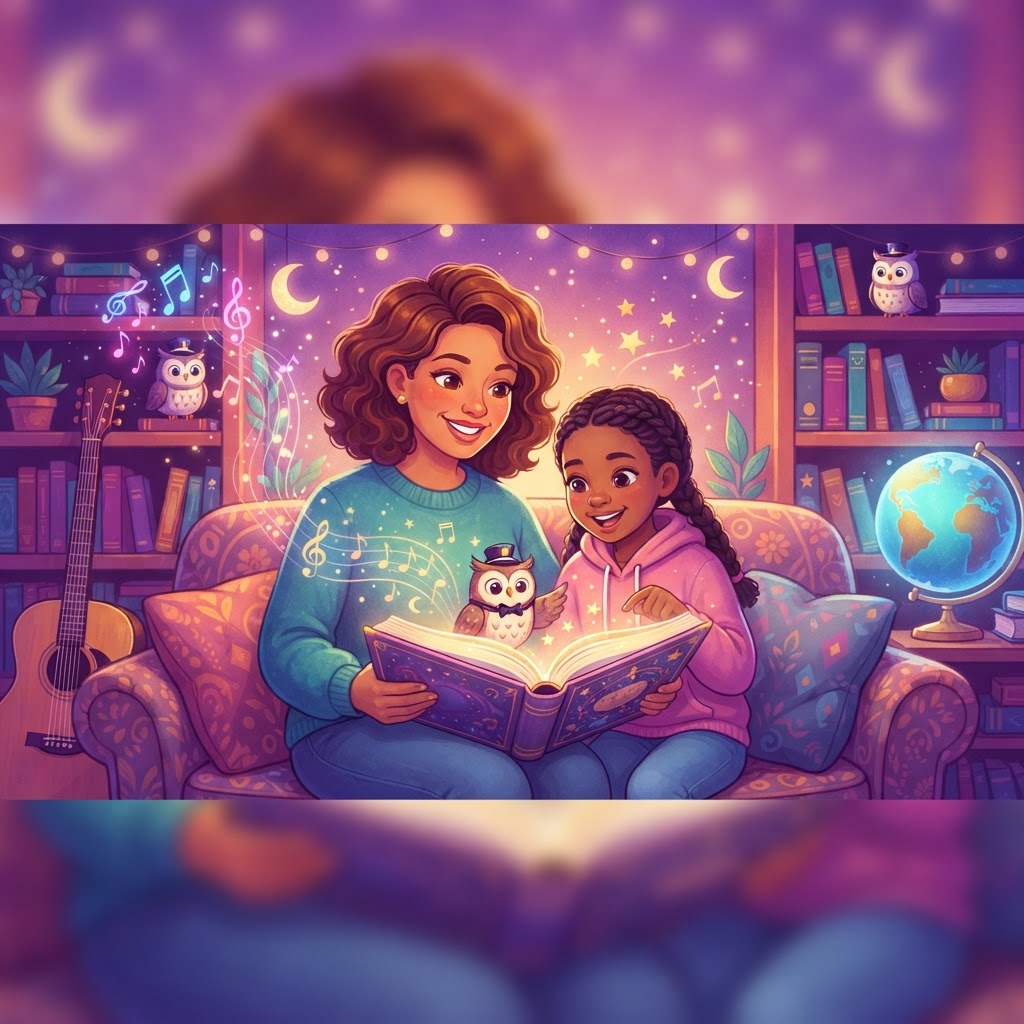
Fifth graders are ready for richer musical thinking, but they still learn best when ideas feel meaningful. That is why fifth grade music stories can be so effective: a story gives students a reason to listen, move, create, and remember.
For teachers, teaching music with stories is not about turning every lesson into read-aloud time. It is about using narrative to make rhythm, form, dynamics, mood, and musical vocabulary easier to grasp. If you already use story-based learning in literacy, you will notice similar benefits in music, too. In fact, many teachers find that story structures support attention, discussion, and memory in the same way they do in story-based reading instruction.
Why does narrative help fifth graders learn music?
Narrative helps fifth graders learn music because it gives abstract concepts a clear sequence, purpose, and emotional hook. When students connect a crescendo to a storm building or a repeated rhythm to a character’s footsteps, the music stops feeling random and starts feeling memorable.
At ages 10 and 11, students are developing stronger inferencing, pattern recognition, and perspective-taking. Those skills make music stories for fifth grade especially useful. A story frame helps students answer questions like:
- What is changing in the music?
- Why is this pattern repeating?
- How does this section feel different from the last one?
- What musical choices fit this character or setting?
This approach also aligns with what we know from education research. Arts integration work from the Kennedy Center shows that connecting art forms supports deeper understanding, not just engagement. The Harvard Graduate School of Education has also highlighted the role of arts-rich instruction in motivation, attention, and social-emotional growth.
In music, stories add another benefit: they create retrieval cues. Students are more likely to remember “AB form” when it was the “village and forest” pattern in a sound story than when it only appeared on a worksheet.
Which music concepts work best with fifth grade music stories?
The best concepts for story-based music lessons are the ones students can hear, feel, compare, and create. In fifth grade, that includes both foundational skills and more expressive listening work.
Story is especially helpful for teaching:
- Rhythm and ostinato: a repeated beat can become a machine, a march, or a heartbeat
- Dynamics: volume changes can match tension, danger, celebration, or surprise
- Tempo: speed can reflect action, mood, or character choices
- Form: repeated and contrasting sections are easier to track through scenes
- Timbre: instrument sounds can represent settings, animals, weather, or emotions
- Program music and listening response: students can map what they hear to events
- Composition: students can create short pieces that tell a musical story
These are all strong fits with the National Core Arts Standards, which emphasize creating, performing, responding, and connecting. Story-based lessons naturally bring those strands together in one experience.
If you want vertical alignment, it can help to compare your plans with fourth grade music ideas so you can see what students may already know before moving into more advanced listening and composing tasks.
Which story-based fifth grade music activities work best?
The most effective fifth grade music activities use a simple narrative to focus listening and creation, not to distract from the musical goal. Start with one target skill, then choose a story task that makes that skill visible.
1. How can students build a rhythm story?
Give students a short adventure prompt, such as “crossing a jungle bridge” or “exploring a cave.” Then assign rhythmic patterns to story events.
For example:
- steady beat = walking
- quarter-rest pattern = freezing
- repeated ostinato = dripping water
- accented rhythm = danger signal
Students perform the story in small groups, then explain why they chose each rhythm. This works well for reinforcing pulse, rhythm reading, and ensemble timing.
2. How can a listening story teach form?
Play a piece with clear repeated and contrasting sections. Ask students to imagine a setting, two characters, or two locations that match the form.
A simple structure might be:
- A section = home village
- B section = dark forest
- return to A = back to safety
Students draw or write the story map as they listen. This makes music stories for fifth grade a practical way to teach AB, ABA, rondo, and theme-and-variation ideas.
3. How can students create character leitmotifs?
Introduce the idea that characters can have short musical themes. Then ask students to compose a 4- to 8-beat motif for a hero, trickster, inventor, or animal guide.
Encourage them to think about:
- high or low sounds
- smooth or jumpy movement
- loud or soft dynamics
- repeated or surprising rhythms
This activity supports composition, revision, and musical vocabulary. It also raises the level of student discussion because they must justify their choices.
4. How can stories improve movement and expression?
Use a narrated movement lesson where students travel through scenes and respond to musical cues. For example, they might tiptoe through quiet music, stretch through legato phrases, or freeze when the drum signals a problem in the story.
This is one of the easiest fifth grade music activities to implement because it needs little prep. It is also helpful for classes that need more active learning and clearer transitions.
5. How can students compose a class soundscape?
Read or tell a short scene, then assign groups to create its sound layers. One group handles weather, one handles footsteps, one handles mood, and one adds a closing theme.
A soundscape teaches careful listening, balance, and collaborative performance. It also works well as an informal assessment because you can hear whether students understand dynamics, texture, and timing.
How can teachers differentiate story-based music lessons for mixed readiness levels?
Differentiation works best when you keep the musical goal the same but vary the amount of scaffolding, choice, or complexity. Story-based music lessons are flexible by nature, which makes them ideal for mixed-readiness classes.
Try these supports:
- Give some students a choice board of rhythms or instruments, while others create freely
- Use sentence stems such as “I chose this pattern because…” for students who need language support
- Offer visual icons for tempo, dynamics, and form
- Let students respond through movement, drawing, speaking, or notation
- Pre-teach key vocabulary before the story begins
- Pair confident musicians with students who benefit from peer modeling
For advanced learners, extend the task by asking them to notate a motif, conduct the group, or revise a story scene to fit a new meter or mood. For students who need extra support, shorten the story and reduce the number of musical decisions.
This is also a smart place to connect across subjects. If your class is already using narrative in content areas, story-based music can reinforce the same thinking routines used in fifth grade science storytelling.
How can InstaTales support fifth grade music lessons?
InstaTales can help teachers generate custom story prompts that match a music objective, student interest, or classroom theme. Instead of searching for the perfect text, you can build a short narrative that fits the exact concept you want to teach.
For example, you might use InstaTales to create:
- a rhythm adventure for a percussion lesson
- a listening story with clear contrasting scenes
- a composer-inspired prompt for motif writing
- a cultural celebration story to launch a world music unit
Teachers can create your own personalized bedtime story and adapt it for classroom use by choosing age-appropriate settings, characters, and challenges. If you want classroom-specific support, InstaTales for teachers is the best place to explore ways to use stories for assignments, centers, and small-group work.
Once you make strong prompts, save them in your story library so you can reuse them for warm-ups, sub plans, or differentiated groups. The key is to treat the tool as a planning support, not a replacement for teacher judgment. You still choose the learning target, musical materials, and level of challenge.
How can teachers assess learning without losing the fun?
Assessment in story-based music lessons should be quick, observable, and tied directly to the musical objective. The story keeps students engaged, but the evidence should still show what they know and can do.
Useful options include:
- an exit slip naming the form, dynamic change, or instrument choice
- a short performance rubric for rhythm accuracy and expression
- partner explanation: “What part of the story matched the B section?”
- a reflection prompt: “How did your motif show your character?”
- a listening map collected at the end of class
The best assessments are simple enough to use in real time. If students can perform, explain, and connect their musical choice to the story, you have strong evidence of learning.
Frequently Asked Questions
Are fifth grade music stories too childish for older elementary students?
Not if the stories are age-respectful. Fifth graders respond well to mysteries, adventures, humor, and real-world themes when the task feels creative rather than babyish.
How long should a story-based music lesson be?
A story-based lesson can be as short as 10 minutes or as long as a full class period. Many teachers use a brief narrative as the hook, then move into listening, composing, or performance practice.
Can stories work in recorder, choir, or instrumental lessons?
Yes. Stories can shape phrasing, dynamics, tempo, and expression in any performance setting. They are especially useful when students need a reason to play or sing with more intention.
What if students focus on the story and miss the music concept?
Keep the objective narrow and state it clearly before the activity begins. The story should support one main target, such as form, rhythm, or dynamics, rather than trying to teach everything at once.
How do I connect story-based music lessons to standards?
Start with the standard first, then choose a story task that lets students create, perform, respond, or connect. Story is the teaching vehicle, but the standard remains the destination.
Get a new bedtime story every week
Free, personalized, and delivered to your inbox. No spam, ever.
Ready to Create a Personalized Bedtime Story?
Use our free AI bedtime story generator to create a personalized illustrated story for your child in 30 seconds — no credit card needed.
Popular story types:
Maya Rodriguez
Lead Content Editor & Early Literacy Specialist
Maya is a former early childhood educator and literacy specialist with over a decade of experience helping children develop a love of reading. She leads content at InstaTales, where she writes about the science of storytelling, child development, and how families can use personalized AI stories to build literacy and emotional resilience.
instatales.ai