Best Educational Stories for Kids: Parent Guide
The best educational stories for kids — what makes them great, why kids love them, and how to find or create the perfect educational tale.
✦ Key Takeaways
- •A story is truly educational when it teaches one clear idea through character, action, and emotion rather than through preaching.
- •Kids love educational stories because stories make learning feel safe, playful, and personal.
- •The best educational stories match a child’s developmental stage, attention span, and interests.
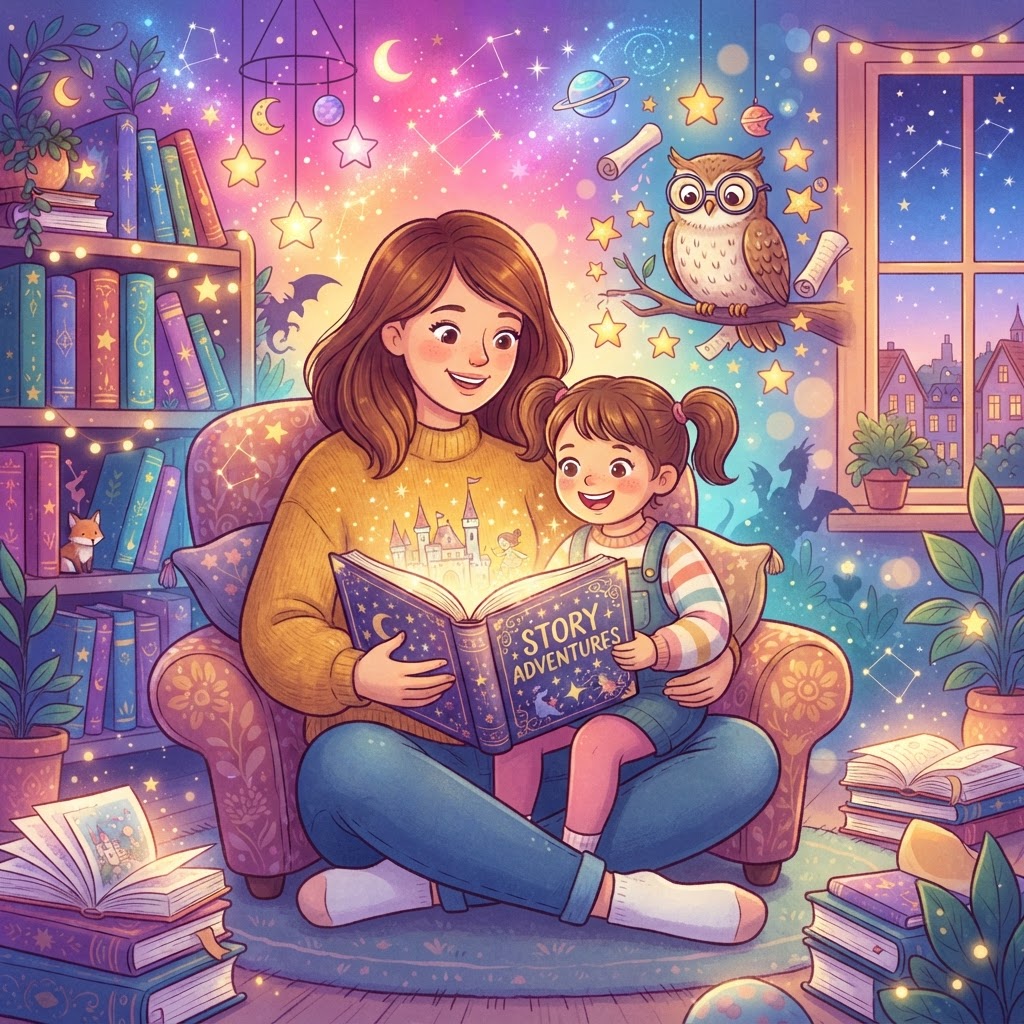
The best educational stories for kids do more than teach facts. They help children make sense of the world, build vocabulary, practice empathy, and stay curious long after the story ends. When a tale is warm, age-appropriate, and genuinely fun, children do not experience it as a lesson at all—they experience it as discovery.
That is why educational stories for kids work so well at bedtime, in classrooms, and during quiet reading time. In this guide, you will learn what makes a story educational, why children love these stories, which types fit different ages, five strong story ideas to try, and how to create personalized educational bedtime stories with InstaTales.
What makes a story truly educational for kids?
A story is truly educational when it teaches one clear idea through character, action, and emotion rather than through preaching. The best educational tales for children feel like stories first and lessons second.
Strong educational stories usually include:
- One simple learning goal, such as sharing, counting, plant life, or handling big feelings
- Age-appropriate language that stretches a child a little without confusing them
- Repetition and pattern, which help young children remember key ideas
- A relatable problem, so the lesson feels useful
- A satisfying ending, where the child sees what changed and why it matters
Research supports this approach. The Harvard Center on the Developing Child explains that back-and-forth interaction helps young children build language and thinking skills. In practice, that means the story matters, but the conversation around the story matters too.
Educational stories also work best when they are accurate. If you are reading about animals, weather, emotions, or science, the core facts should be sound. That is especially important for older children, who quickly notice when a story feels fake or inconsistent.
Why do kids love educational stories?
Kids love educational stories because stories make learning feel safe, playful, and personal. Instead of being told what to know, children get to discover it alongside a character.
That emotional connection is powerful. A child may forget a definition, but they often remember the rabbit who learned to wait, the inventor who fixed a problem, or the little seed that needed sunlight. This is one reason shared reading is so effective: the American Academy of Pediatrics recommends reading aloud from infancy to support language, bonding, and early literacy.
Children also love these stories because they often include:
- Predictability, which feels comforting
- Imagination, which keeps attention high
- Repetition, which builds mastery
- Meaning, because the lesson connects to real life
This is especially true at night. Good educational bedtime stories teach gently while preserving the calm, secure feeling children need before sleep. If you want more ideas for evening reading, our guide to best bedtime stories for kids can help you choose stories that teach without overstimulating.
Which educational stories work best at different ages?
The best educational stories match a child’s developmental stage, attention span, and interests. A toddler and an eight-year-old can both love educational stories, but they need very different formats.
Ages 1-3: Simple, sensory, and repetitive
For toddlers, the best stories focus on everyday learning:
- First words
- Colors and shapes
- Animal sounds
- Routines like bathing, eating, and bedtime
- Simple feelings like happy, sad, or frustrated
At this age, short stories with repeated phrases work best. Think: one idea, one feeling, one small success.
Ages 4-6: Curious, playful, and concrete
Preschoolers and early kindergarteners enjoy stories that explain how the world works:
- Counting and basic math
- Friendship and turn-taking
- Nature and seasons
- Cause and effect
- Problem-solving
These children often enjoy stories with mild adventure, humor, and lots of questions. They want to know why things happen.
Ages 7-10: Richer plots and deeper ideas
Older children are ready for more layered educational stories for kids, including:
- Science and ecosystems
- History and cultural understanding
- Moral choices
- Resilience and growth mindset
- Mystery, invention, and reasoning
They can follow longer plots and enjoy learning through challenge. If your child loves science themes, our article on stories about ecosystems is a useful next step.
What are five great educational story ideas for kids?
Five of the best story ideas combine a clear lesson with a child-friendly plot. The goal is not to cram in content, but to build one memorable learning journey.
1. The little seed who wanted to grow
A tiny seed travels through soil, rain, and sunshine to become a sunflower. This story can teach plant life cycles, patience, and the idea that growth takes time.
2. The feelings map in Maya’s pocket
A child receives a magical map that changes color with different emotions. This idea helps children name feelings, notice body signals, and practice calming strategies.
3. The bakery that measured everything
Two siblings help in a bakery where every recipe depends on fractions, counting, and timing. It is a fun way to introduce early math through something concrete and delicious.
4. The river rescue team
Animal friends work together to clean a polluted stream and restore habitats. This story teaches teamwork, environmental care, and basic ecology.
5. The kindness post office
A child discovers a post office that delivers helpful notes to neighbors who feel lonely, worried, or left out. This one builds empathy, perspective-taking, and community awareness.
When parents ask me for the best educational stories, these are the kinds of concepts I suggest: one strong theme, one clear emotional arc, and enough wonder to make the lesson stick.
How can parents and teachers use educational bedtime stories well?
Parents and teachers get the best results when they treat educational stories as interactive experiences, not mini-lectures. The story should open a door, and the adult helps the child walk through it.
A simple routine works well:
- Before reading: Ask one curiosity question.
- “What do you think plants need to grow?”
- During reading: Pause once or twice for prediction.
- “What do you think the character will try next?”
- After reading: Keep reflection light.
- “What was one smart choice in the story?”
This approach is close to dialogic reading, a well-studied method that encourages children to talk back during reading rather than just listen. Reading Rockets offers a helpful overview for parents and educators.
A few practical tips:
- Pick one learning focus per story
- Keep bedtime stories calm, not overly exciting
- Re-read favorites; repetition is useful, not boring
- Connect the lesson to real life the next day
- Let children choose topics they care about
For classrooms, personalized stories can also support thematic units, literacy centers, and SEL activities. That is where InstaTales for teachers can be especially useful.
How do you use InstaTales’ educational story type setting?
The easiest way to use InstaTales’ educational setting is to choose one age, one topic, and one emotional tone before generating the story. That helps the story feel focused, personal, and developmentally appropriate.
Here is a simple way to do it:
- Go to create your own personalized bedtime story.
- Select the Educational story type.
- Enter your child’s age, interests, and learning goal.
- Example: “Age 5, loves dinosaurs, lesson about taking turns.”
- Add any tone preferences.
- Gentle bedtime, funny classroom story, nature adventure, and so on.
- Keep the lesson narrow.
- “How plants grow” works better than “all of biology.”
- Save strong stories in your story library so you can re-read favorites and track what your child responds to.
This is where AI can be genuinely helpful. You can create educational bedtime stories that match your child’s current interests, attention span, and developmental needs in minutes. A child who ignores a generic lesson about kindness may happily listen to a personalized story about their toy dragon learning how to share.
The best results come when adults stay involved. Read the story first if possible, adjust details to fit your child, and use it as a conversation starter rather than a substitute for connection.
A great educational story should leave a child feeling a little wiser and a lot more curious. That is the sweet spot: meaningful learning wrapped in comfort, imagination, and joy.
Frequently Asked Questions
What is an educational story for kids?
An educational story for kids teaches a clear idea through plot, character, and emotion. It might build knowledge, social skills, language, or problem-solving while still feeling fun to read.
Are educational bedtime stories good for toddlers?
Yes, as long as they are simple, short, and soothing. For toddlers, the best educational bedtime stories focus on routines, first concepts, and gentle repetition.
How long should educational stories be?
That depends on age. Toddlers often do best with 2-5 minutes, while older children may enjoy 8-15 minute stories with more developed plots.
Can AI-generated stories be truly educational?
Yes, if the adult gives a clear learning goal and reviews the story for age fit and accuracy. AI works best as a tool for personalization, not as a replacement for thoughtful adult guidance.
What subjects work best in educational stories for kids?
Emotions, friendship, nature, early math, science, routines, and problem-solving all work well. The best subject is often the one the child already cares about.
How can I tell if a story is too “teachy”?
If the lesson feels forced, children usually lose interest quickly. A good educational story keeps the focus on the character’s journey and lets the lesson emerge naturally.
Ready to Create a Personalized Bedtime Story?
Use our free AI bedtime story generator to create a personalized illustrated story for your child in 30 seconds — no credit card needed.
Popular story types:
Maya Rodriguez
Lead Content Editor & Early Literacy Specialist
Maya is a former early childhood educator and literacy specialist with over a decade of experience helping children develop a love of reading. She leads content at InstaTales, where she writes about the science of storytelling, child development, and how families can use personalized AI stories to build literacy and emotional resilience.
instatales.ai