Best Eid Bedtime Stories for Kids
The best Eid bedtime stories for children — cozy, festive tales that make the season magical at storytime.
✦ Key Takeaways
- •The best Eid bedtime stories for children feel festive and calming.
- •Seasonal Eid bedtime reading is valuable because it supports literacy, emotional security, and cultural identity at the same time.
- •The best bedtime themes for Eid are the ones that feel joyful but still quiet.
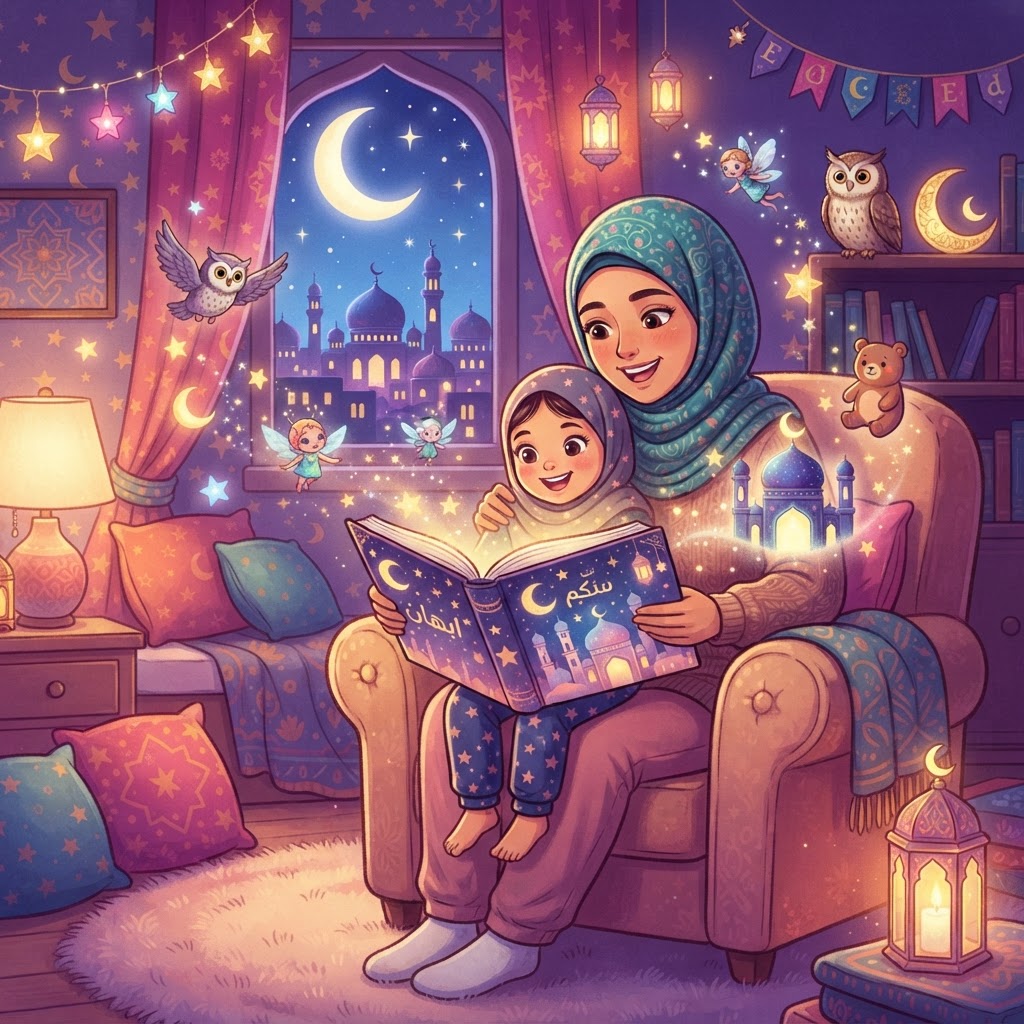
The best Eid bedtime stories help children feel the joy of the holiday without overstimulating them before sleep. A good Eid story is warm, gentle, and full of meaning, whether your family celebrates Eid al-Fitr, Eid al-Adha, or simply wants cozy Eid stories for kids that reflect faith, family, and tradition.
Seasonal books matter because they help children connect daily routines with big family moments. When Eid appears at storytime, children get language for what they see, feel, and remember: moon sighting, special clothes, prayer, sharing sweets, visiting loved ones, and the deep feeling of gratitude that sits at the heart of the celebration.
What makes the best Eid bedtime stories for children?
The best Eid bedtime stories for children feel festive and calming. They celebrate the season while still helping a child slow down, feel safe, and drift to sleep.
Parents browsing for children Eid books often find that the strongest stories share a few simple qualities:
- A gentle pace: Bedtime stories should soothe, not hype up.
- Age-fit language: Toddlers need repetition and simple scenes. Older children enjoy a small plot, problem, or surprise.
- Warm emotional themes: Gratitude, kindness, belonging, patience, and generosity work beautifully at bedtime.
- Authentic details: Moon sighting, family meals, prayer, gifts, new clothes, and charity make the story feel real.
- A comforting ending: The story should end with peace, closeness, or reflection.
A great Eid story also leaves room for family differences. Some families focus on food and visitors. Others focus on prayer, giving, or community. The most memorable Eid bedtime reading reflects those traditions with respect and warmth.
If you want more ready-to-read inspiration, our collection of Eid bedtime favorites can help you build a simple holiday reading routine.
Why is seasonal Eid bedtime reading so valuable for kids?
Seasonal Eid bedtime reading is valuable because it supports literacy, emotional security, and cultural identity at the same time. Children learn best when stories connect to real life, and Eid gives them rich, meaningful experiences to talk about.
The American Academy of Pediatrics recommends shared reading from infancy because it supports early language, relationships, and brain development (AAP). A bedtime story about Eid does even more: it helps children organize the events of the day and understand family rituals.
Seasonal reading can support children in several ways:
- Builds vocabulary: Words like crescent moon, charity, feast, prayer, lanterns, and celebration gain meaning through context.
- Strengthens identity: Children feel seen when books reflect their home life and traditions.
- Supports emotional regulation: Familiar routines, including storytime, help children settle. The CDC notes that predictable routines support children’s well-being.
- Encourages conversation: A short Eid story often leads to rich back-and-forth talk, which the Harvard Center on the Developing Child describes as important for healthy brain architecture.
As an educator, I often tell families this: children do not just remember the story. They remember the feeling of being close, understood, and included. That is one reason holiday books become favorites year after year.
Which Eid themes work best at bedtime?
The best bedtime themes for Eid are the ones that feel joyful but still quiet. You want wonder, warmth, and meaning more than high action.
These themes work especially well in Eid stories for kids:
- Gratitude: A child notices the people and blessings around them.
- Generosity: Giving a gift, sharing sweets, or helping someone in the neighborhood.
- Moon sighting and anticipation: Waiting for Eid creates suspense without being too intense.
- Family connection: Grandparents, cousins, siblings, and neighbors all add comfort.
- Belonging: A child learns, “This celebration is part of who we are.”
- Gentle reflection: After the excitement, the character ends the day feeling peaceful and loved.
For younger children, simple sensory details work well: soft pajamas, the smell of sweet treats, sparkly lights, a quiet hug after a busy day. For older children, a story can add a small emotional lesson, such as including a shy cousin or learning why giving matters.
If your family enjoys reading across holidays, it can also be helpful to compare how different celebrations use storytime to build tradition. Our guide to Diwali bedtime stories shows how seasonal reading supports connection all year long.
What are five Eid story ideas children will ask for again?
The best story ideas are simple, visual, and easy to personalize. These five concepts are bedtime-friendly and can be adapted for toddlers, preschoolers, and early readers.
1. The Moon That Found Eid
A child keeps looking for the crescent moon and worries they will miss it. In the end, the moon appears just when the family gathers, and everyone shares a quiet moment of joy together.
Why it works:
- Builds gentle anticipation
- Uses repeated phrases for young listeners
- Ends with calm wonder
2. The Little Plate of Sweets
A child helps prepare a small plate of treats for neighbors, then learns how sharing makes the celebration bigger, not smaller. The story can end with sleepy gratitude after a busy evening of giving.
Why it works:
- Highlights generosity in a concrete way
- Gives children a simple job they can imagine doing
- Fits both Eid al-Fitr and Eid al-Adha family settings
3. New Clothes, Big Heart
A child is excited about a new Eid outfit but notices a younger sibling or friend feels left out. The child learns that kindness and inclusion are what truly make the day beautiful.
Why it works:
- Speaks to real childhood feelings
- Adds a mild problem and gentle solution
- Works well for ages 4-8
4. Grandma’s Eid Morning Story
A grandparent tells how Eid was celebrated when they were young, and the child notices what has changed and what has stayed the same. The story can move between memory, tradition, and a cozy present-day bedtime.
Why it works:
- Builds family identity
- Opens space for cultural differences
- Helps children understand tradition as something living and personal
5. The Lantern That Wanted to Shine for Everyone
A lantern is sad because it can only light one window, but by the end it sees that even one warm light can welcome many people. This story works especially well for younger children who love gentle object characters.
Why it works:
- Soft, imaginative tone
- Easy moral without feeling preachy
- Perfect for a short, sleepy read-aloud
These ideas also work well if you want to rotate stories through the week before Eid. Repetition is not a problem; it is helpful. Young children often ask for the same story many times because repetition supports memory, language, and emotional comfort.
How can parents use InstaTales to create custom Eid adventures?
Parents can use InstaTales to create Eid stories that match a child’s age, interests, and family traditions. Personalized stories often work especially well at bedtime because they feel familiar, relevant, and emotionally safe.
A simple way to start is to create your own personalized bedtime story using details your child already loves. You might include:
- Your child’s name
- Their age and reading level
- Favorite animals, colors, or places
- Family Eid traditions
- A calming bedtime ending
If you want a quick starting point, browse the story templates and adapt one with Eid details like moon sighting, family visits, special foods, or charity. This is useful when you want a story that feels fresh but still has a reliable structure.
Once you find stories your child loves, save them in your story library so you can re-read favorites each year. That matters because repeat reading helps children build comprehension, confidence, and emotional attachment to stories.
Personalized stories can also support mixed-age siblings. A toddler may enjoy repeating lines about the moon, while an older sibling follows a fuller plot about generosity or belonging. The key is to keep the emotional tone soft enough for bedtime.
Frequently Asked Questions
What age are Eid bedtime stories best for?
Eid bedtime stories can work well for children ages 1-10 when the language and length match the child. Toddlers do best with short, repetitive stories, while older children enjoy more plot and character growth.
Should Eid stories be religious, cultural, or both?
They can be either, or both, depending on your family. The strongest stories are respectful, age-appropriate, and true to the traditions you want your child to understand.
How long should Eid bedtime reading be?
For most children, 5-15 minutes is enough at bedtime. Shorter stories help children settle, while older kids may enjoy a slightly longer read if the tone stays calm.
Are personalized Eid stories a good idea for siblings?
Yes, personalized stories can work beautifully for siblings when the plot is simple and inclusive. Shared adventures help children feel connected, even if each child notices different parts of the story.
What if I cannot find the right children Eid books for my family?
If store-bought books do not reflect your traditions, custom stories are a great option. You can shape the setting, family structure, and Eid details so the story feels familiar and meaningful.
Can seasonal storytime help children remember family traditions?
Yes, seasonal storytime is one of the easiest ways to make traditions stick. When children hear the same themes each year, they connect words, feelings, and family rituals more deeply.
Get a new bedtime story every week
Free, personalized, and delivered to your inbox. No spam, ever.
Ready to Create a Personalized Bedtime Story?
Use our free AI bedtime story generator to create a personalized illustrated story for your child in 30 seconds — no credit card needed.
Popular story types:
Maya Rodriguez
Lead Content Editor & Early Literacy Specialist
Maya is a former early childhood educator and literacy specialist with over a decade of experience helping children develop a love of reading. She leads content at InstaTales, where she writes about the science of storytelling, child development, and how families can use personalized AI stories to build literacy and emotional resilience.
instatales.ai