Best Myth Stories for Kids: Parent Guide
The best myth stories for kids — what makes them great, why kids love them, and how to find or create the perfect myth tale.
✦ Key Takeaways
- •A myth story is a tale that explains something larger than everyday life, such as the sun, stars, seasons, animals, or human feelings.
- •Children love myth stories because myths make the world feel bigger, more magical, and easier to understand.
- •The best myth stories for kids depend on age, language level, and sensitivity.
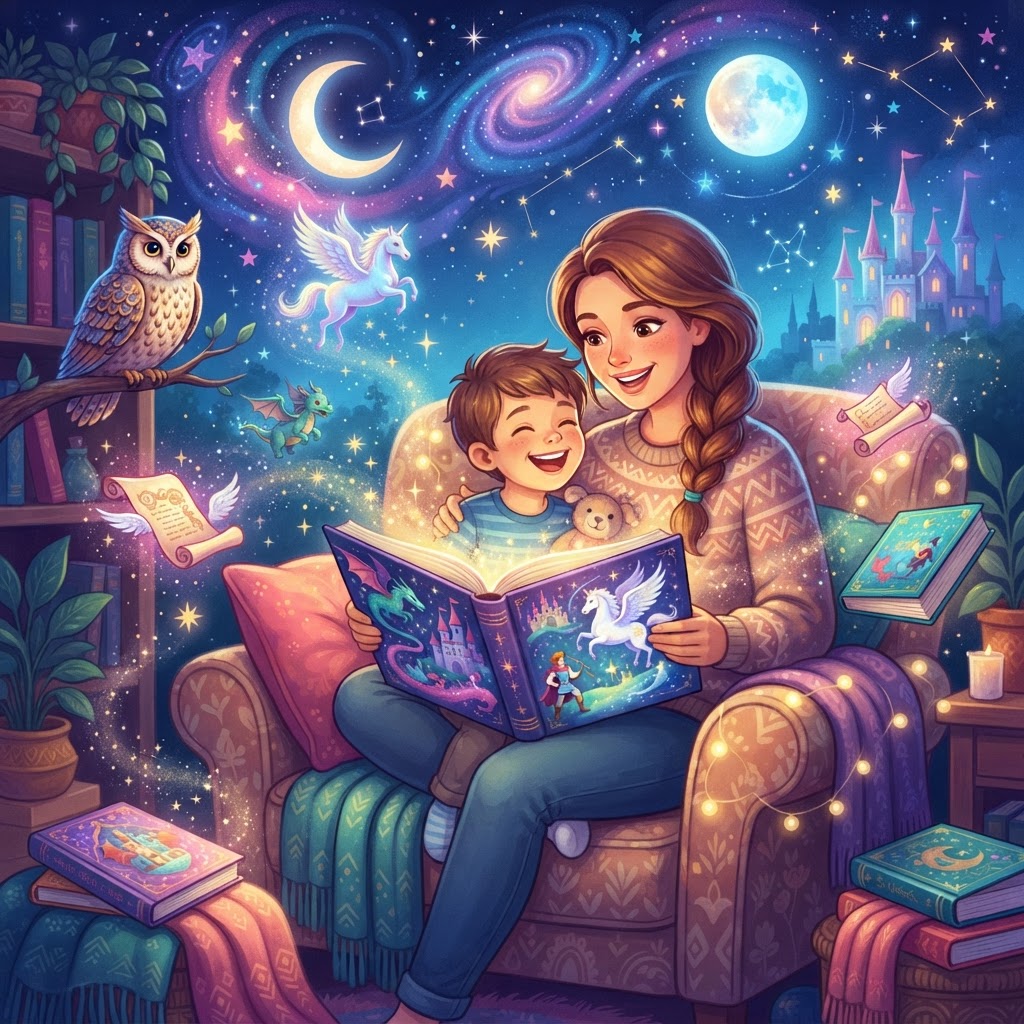
Myths are some of the oldest stories in the world, and they still work beautifully for children today. The best myth stories for kids mix wonder, meaning, and just enough adventure to help children imagine big ideas without feeling overwhelmed.
If you are looking for myth stories for kids that feel magical but still bedtime-friendly, this guide can help. Below, you will learn what makes a story a myth, why children connect with myths so strongly, which ages they suit best, five easy story ideas to try, and how to create your own myth bedtime stories with InstaTales.
What makes a myth story different from other children's stories?
A myth story is a tale that explains something larger than everyday life, such as the sun, stars, seasons, animals, or human feelings. In children’s storytelling, myths often include gods, spirits, magical creatures, or brave heroes, but the heart of the story is usually a big question: Why does this happen? or What does this mean?
That is what makes myths different from other classic story types. Fables usually teach a short moral lesson, while fairy tales focus more on enchantment, transformation, and happy-ever-after patterns. If your child enjoys those forms too, you may also like our guides to fable stories for kids and fairy-tale stories for children.
Good myth tales children love often include:
- A powerful force, such as a moon spirit, sea guardian, or sky god
- A meaningful explanation, like why owls stay awake at night
- A hero with a clear goal
- Repetition, rhythm, or symbolic images
- A satisfying ending that feels wise, calm, or hopeful
For young children, myths do not need to be long or historically exact. They simply need to feel timeless, vivid, and emotionally safe.
Why do kids love myth stories so much?
Children love myth stories because myths make the world feel bigger, more magical, and easier to understand. A well-told myth turns confusing ideas into images a child can hold onto: the wind becomes a messenger, stars become lanterns, and thunder becomes a giant’s voice.
From a child development perspective, that makes sense. The American Academy of Pediatrics has long emphasized that shared reading supports language, bonding, and emotional security. Myth-based stories add another layer: they invite children to think symbolically, which is an important part of early learning.
Research and practice also show that imaginative play and storytelling help children build memory, attention, and self-regulation. The Harvard Center on the Developing Child highlights how back-and-forth conversation and imaginative experiences support healthy brain development. When a child asks, “Why did the moon disappear?” and hears a gentle mythic answer, they are doing deep thinking in a child-friendly way.
In my experience as an education-focused writer, children tend to return to myths for three reasons:
- They answer big questions in simple ways
- They feel grand and memorable without needing complicated plots
- They offer emotional distance, letting children explore fear, bravery, jealousy, or kindness through magical characters
That is why some of the best myth stories become family favorites after only a few readings.
Which myth stories for kids fit each age best?
The best myth stories for kids depend on age, language level, and sensitivity. Younger children do best with soft, repetitive myths, while older children can enjoy richer plots, stronger symbolism, and more complex heroes.
Ages 1-3: Keep myths short, sensory, and soothing
Toddlers respond best to very simple myth bedtime stories. Focus on rhythm, familiar objects, and gentle wonder.
Good choices include:
- Why the moon follows little animals home
- How stars got their sparkle
- Why the ocean sings at night
At this age, avoid conflict-heavy stories. One clear image and a calm ending are enough.
Ages 4-6: Add adventure and easy cause-and-effect
Preschoolers and early kindergarten children enjoy stories with a problem and a solution. This is a great age for friendly spirits, small heroes, and simple quests.
Try myths about:
- A child who helps bring back spring
- A sleepy sunbird who forgets to wake the morning
- A river fairy searching for her lost song
This age group often also loves magical world-building, so you may want to explore fantasy stories by age for similar story energy.
Ages 7-10: Introduce deeper themes and classic myth elements
Older children can handle more layered myth stories for kids, especially when the tone stays age-appropriate. They can enjoy stories about courage, promises, pride, wisdom, and responsibility.
Good fits include:
- A young hero who must restore balance to the sky
- A trickster who learns honesty
- A guardian of winter who discovers the value of sharing light
Children in this age range often enjoy discussing the lesson or symbolism afterward. That is one reason myths work well both at home and in learning settings.
What are five of the best myth story ideas for kids?
The best myth story ideas are simple, symbolic, and emotionally clear. You do not need to retell ancient myths word for word; you can use myth structure to create fresh stories that feel timeless.
1. Why the stars only whisper at night
A curious child climbs a silver hill to ask why stars stay quiet during the day. The stars explain that sunlight is so bright, they save their stories for nighttime listeners.
This works well for ages 3-6 because it is calm, visual, and comforting.
2. The little thunder god who was afraid of his own storms
A young sky spirit can make thunder but hates loud noises. With help from cloud animals, he learns to use his power gently.
This is a lovely myth idea for ages 5-8 because it turns fear into self-understanding.
3. The river that forgot its song
When a river spirit loses her voice, forests, frogs, and children help her remember it by sharing the sounds they love most. In the end, the river sings again, softer and wiser than before.
This story encourages listening, cooperation, and nature appreciation.
4. How the moon rabbit painted the seasons
A magical rabbit on the moon paints each season with a different brush. One year, the colors spill, and children on Earth help restore spring, summer, autumn, and winter.
This is one of those best myth stories ideas that feels both playful and grand, especially for ages 4-7.
5. The lantern keeper of the dawn
Each morning, a child guardian must light tiny lanterns across the sky before sunrise. One day, she oversleeps and learns that asking for help can be a kind of strength.
This myth concept works especially well as a bedtime story because it ends with the safe return of light.
If your child also enjoys stories with a lesson at the end, our guide to moral stories for kids can give you more ideas.
How can you create gentle myth bedtime stories with InstaTales?
You can create calm, personalized myth stories by choosing a myth framework and then softening the tone for bedtime. The goal is to keep the wonder and meaning of myth while reducing anything too intense, confusing, or scary.
When you create your own personalized bedtime story, use the myth story type setting and add details that match your child’s age and temperament. The most effective prompts are specific.
Try including:
- Your child’s name, favorite animal, or favorite color
- A myth setting, such as sky kingdom, moon garden, golden forest, or singing sea
- A gentle story goal, like finding a lost star or helping the wind rest
- A bedtime tone, such as “calm,” “cozy,” “hopeful,” or “soft adventure”
- A clear instruction to avoid scary scenes and end peacefully
For example, you might prompt: Create a calm myth bedtime story for a 5-year-old about Maya and a moon rabbit who fixes the seasons. Keep it magical, gentle, and under 600 words with a soothing ending.
After you find stories your child loves, save them in your story library for easy rereading. Repetition is not a bad thing at bedtime; it is often what helps children relax. Reading experts at Reading Rockets note that repeated reading supports fluency, vocabulary, and confidence, especially when children already feel connected to the story.
A few practical bedtime tips:
- Keep myth stories shorter at night than during daytime reading
- Choose wonder over danger
- End with restoration: sunrise returns, the star comes home, the forest sleeps
- Let your child help choose the hero or magical creature
That is often the secret to memorable myth bedtime stories: the myth feels ancient, but the child feels personally included.
Frequently Asked Questions
What is a myth story for kids?
A myth story for kids is a magical, meaningful tale that explains something big, such as nature, feelings, or the world around us. It usually includes larger-than-life characters like spirits, heroes, or gods in a child-friendly way.
Are myth stories too scary for bedtime?
Not necessarily. Many myths can be adapted into soft, reassuring bedtime stories by reducing conflict, avoiding frightening details, and ending with safety and calm.
What age should children start listening to myth stories?
Children can enjoy simple myth-style stories as early as ages 1-3, especially when the language is gentle and repetitive. More complex myth tales usually work best from ages 4-10.
How are myths different from fables and fairy tales?
Myths usually explain big mysteries or natural events and often feel ancient or symbolic. Fables focus on a moral lesson, while fairy tales lean more toward magic, transformation, and storybook patterns.
Can I make personalized myth stories with InstaTales?
Yes. You can use the myth story type setting to create custom stories with your child’s name, favorite themes, ideal length, and a calm bedtime tone.
Ready to Create a Personalized Bedtime Story?
Use our free AI bedtime story generator to create a personalized illustrated story for your child in 30 seconds — no credit card needed.
Popular story types:
Maya Rodriguez
Lead Content Editor & Early Literacy Specialist
Maya is a former early childhood educator and literacy specialist with over a decade of experience helping children develop a love of reading. She leads content at InstaTales, where she writes about the science of storytelling, child development, and how families can use personalized AI stories to build literacy and emotional resilience.
instatales.ai