Best Wizards Bedtime Stories for Kids
The best wizards bedtime stories for children — magical tales that make bedtime an adventure.
✦ Key Takeaways
- •The best wizard stories for bedtime are gentle, predictable, and emotionally safe.
- •The best bedtime themes are comforting, hopeful, and easy to picture.
- •The most replayable wizard stories are simple, vivid, and easy to personalize.
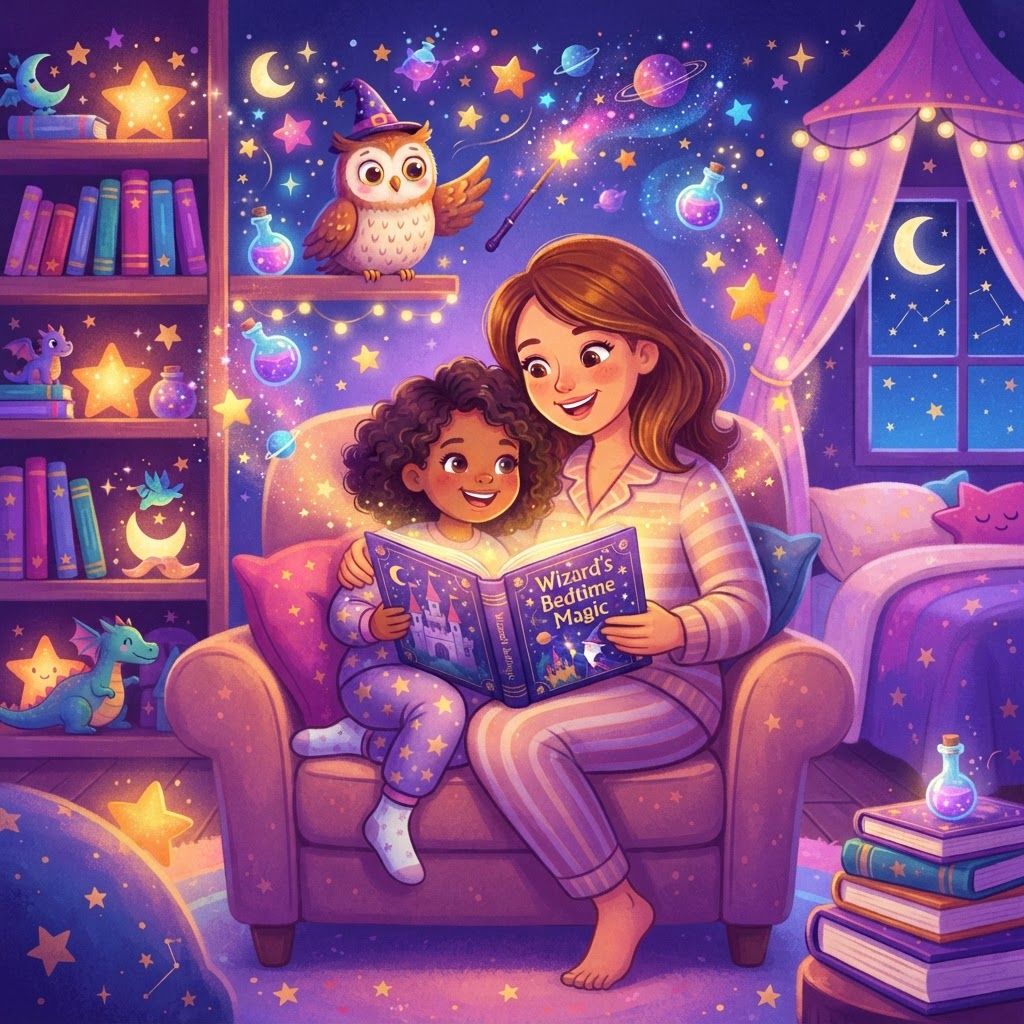
The best wizards bedtime stories do something special: they make bedtime feel magical while still helping children wind down. The right wizard tale gives kids wonder, warmth, and a gentle sense of adventure—without the fast pace or fear that can make sleep harder.
For children ages 1-10, wizards bedtime stories work especially well because they mix imagination with structure. A wise wizard, a clear problem, a kind helper, and a cozy ending can turn a simple story into a favorite nighttime ritual. If your child already loves wizards for kids, enchanted forests, and sparkly spells, this guide will help you choose or create stories that feel exciting and restful at the same time.
What makes the best wizards bedtime stories for children?
The best wizard stories for bedtime are gentle, predictable, and emotionally safe. They should feel magical without becoming too loud, dark, or complicated right before sleep.
Young children relax when stories follow a simple rhythm: a magical problem appears, the wizard explores, kindness or clever thinking saves the day, and everyone ends up safe. This structure matters. The American Academy of Pediatrics notes that consistent bedtime routines help children settle more easily, and a familiar story pattern can become part of that calm routine.
Here are the ingredients that often make the best wizards stories at bedtime:
- A kind main character who solves problems without meanness
- Low-stakes magic, like glowing stars, sleepy dragons, or talking owls
- Reassuring repetition, such as a repeated spell or phrase
- A clear emotional arc, where worry turns into comfort
- A soft landing, with home, rest, cuddles, or moonlight at the end
For toddlers and preschoolers, simple wizard characters work best. For older children, you can add more mystery, maps, magical schools, or secret missions while still keeping the ending peaceful. If you want more age-tailored inspiration, these guides to best fantasy bedtime stories for 9-year-olds and best fantasy bedtime stories for 10-year-olds can help.
Which wizard story themes work best at bedtime?
The best bedtime themes are comforting, hopeful, and easy to picture. Wizard stories can still feel adventurous at night, but they should lead children toward safety and rest rather than suspense.
In practice, that means choosing themes like helping, healing, finding, or protecting. Shared storytelling also supports connection. The Harvard Center on the Developing Child explains that warm back-and-forth interactions build language and attention, and bedtime storytelling is a perfect example of that “serve and return” pattern.
Bedtime-friendly wizards tales often include:
- Lost things being found — a missing star, sock, or moonbeam
- Nature magic — sleepy trees, whispering clouds, glowing mushrooms
- Gentle friendships — wizard and owl, wizard and dragon, wizard and child
- Small acts of bravery — trying one new spell, crossing a bridge, helping a friend
- Restoration — fixing a storm, tucking in a village, calming a noisy spell
Themes to use carefully at bedtime include battles, curses, villains, or anything with long chase scenes. Those can be fun earlier in the day, but many children sleep better after stories that end in calm emotional regulation. Read-aloud experts at NAEYC also emphasize that children benefit most when stories match their developmental stage and emotional needs.
What are five wizard story ideas children will ask for again?
The most replayable wizard stories are simple, vivid, and easy to personalize. Children love stories they can remember, predict, and help retell.
Here are five strong ideas for wizards for kids at bedtime:
1. The Wizard Who Collected Yawns
A tiny wizard travels through the village collecting runaway yawns in a silver jar. Once the last yawn is returned, every child, kitten, and cloud drifts peacefully to sleep.
2. The Moonlight Spell School
A child visits a magical school that only opens after sunset. Instead of learning big battle spells, the students practice cozy magic: blanket-floating, dream-lighting, and star-polishing.
3. The Owl and the Missing Star
A young wizard and a wise owl search for one star that has fallen into the forest. The journey feels adventurous, but each clue is gentle, glowing, and reassuring.
4. The Sleepy Dragon’s First Lullaby
A dragon cannot sleep because its tiny sneezes keep making sparks. A patient wizard teaches it a humming spell, and together they create the softest lullaby in the valley.
5. The Rainstorm in the Teacup
A beginner wizard accidentally traps a storm inside a teacup. With help from a grandparent, they turn thunder into raindrop music and water the garden under the moon.
These ideas work well because they balance wonder with security. If your child loves magical characters, you can find more prompts in our guide to wizards stories for kids. You can also mix wizard themes with castles, quests, or royal settings if your child enjoys broader fantasy adventures.
What does a gentle wizard bedtime story sound like?
A great bedtime wizard story sounds soft, sensory, and slow-moving. The language should paint a magical picture without overloading children with too many plot twists.
Here is a short sample excerpt you can use tonight:
On the edge of the moonlit woods lived Pip, the smallest wizard in the valley. Pip wore a blue hat with one bent silver star and kept a lantern full of sleepy fireflies by the window.
One evening, just as the wind began to whisper goodnight, Pip heard a tiny sniffle outside. It was Mallow the cloud-bunny, who had lost her dream ribbon somewhere in the grass.
“Do not worry,” said Pip, lifting his wand as gently as someone lifting a feather. “We will use the hush-light spell.”
The wand glowed pale gold. The flowers stopped rustling. The crickets quieted to listen. And there, wrapped around a daisy, shimmered the little ribbon like a piece of moonlight.
Mallow yawned, Pip smiled, and the whole garden seemed to tuck itself in.
Notice what makes this excerpt bedtime-friendly:
- The problem is small and solvable
- The imagery is calm and cozy
- The wizard uses magic to help, not fight
- The ending moves naturally toward rest
How can parents use InstaTales to create custom wizard adventures?
Parents can use InstaTales to make wizard stories more meaningful by matching the story to a child’s age, interests, and bedtime needs. Personalized stories often hold attention better because children hear familiar names, favorite animals, and comforting routines.
A practical approach is to create your own personalized bedtime story using a few simple details:
- Your child’s name or nickname
- Their age range
- A favorite magical element, like an owl, dragon, moon, or wand
- A calm bedtime goal, such as bravery, sharing, or settling down
- A preferred tone: funny, cozy, adventurous, or dreamy
For example, instead of asking for “a wizard story,” try: “Write a gentle bedtime story for a 5-year-old about Maya, a kind wizard, a sleepy owl, and a lost moonbeam. End with everyone safe in bed.” That kind of prompt usually creates a much stronger bedtime experience.
You can also save favorite stories in your story library so children can revisit the same magical world night after night. Re-reading matters: repeated stories help children build vocabulary, memory, and emotional security. If you want to explore more magical themes, our guides to best fantasy bedtime stories for 10-year-olds and best fantasy bedtime stories for 9-year-olds offer extra inspiration for older listeners.
Why do wizard stories matter for children’s development?
Wizard stories matter because they support imagination, emotional processing, and language growth in a format children love. When the story is calm and age-appropriate, bedtime tales can strengthen both learning and connection.
Fantasy lets children explore big feelings at a safe distance. A nervous child may relate to a wizard learning a first spell. A child working on patience may enjoy a story about waiting for the moon to rise. Programs like Reach Out and Read have long highlighted how shared reading supports vocabulary, bonding, and early literacy.
From a child development perspective, the strongest wizards tales do not just entertain. They help children practice:
- Prediction through repeated phrases and patterns
- Empathy through caring magical characters
- Problem-solving through gentle story conflicts
- Emotional regulation through soothing endings and safe resolution
That is why some of the best wizards stories become nightly favorites. They meet children where they are: imaginative, curious, and still learning how to settle their bodies and minds for sleep.
Frequently Asked Questions
What age are wizard bedtime stories best for?
Wizard bedtime stories can work well for children ages 1-10 when the tone matches the child’s stage. Younger children usually prefer simple, repetitive magic, while older children enjoy richer plots and world-building.
Are wizard stories too exciting for bedtime?
Not if they are written with bedtime in mind. Choose stories with gentle magic, low-stakes problems, and calm endings instead of battles, villains, or cliffhangers.
What themes make the best wizards stories for sleep?
The best bedtime themes include helping a friend, finding something lost, calming a storm, or learning a kind spell. These themes feel magical without overstimulating children before bed.
How long should a wizard bedtime story be?
For toddlers, 3-5 minutes is often enough. For school-age children, 5-10 minutes usually works well, especially if the story has a clear beginning, middle, and peaceful end.
Can personalized wizard stories help reluctant readers?
Yes, personalized stories often increase interest because the child feels part of the adventure. Familiar names, favorite creatures, and preferred settings can make stories more engaging and easier to revisit.
Ready to Create a Personalized Bedtime Story?
Use our free AI bedtime story generator to create a personalized illustrated story for your child in 30 seconds — no credit card needed.
Popular story types:
Maya Rodriguez
Lead Content Editor & Early Literacy Specialist
Maya is a former early childhood educator and literacy specialist with over a decade of experience helping children develop a love of reading. She leads content at InstaTales, where she writes about the science of storytelling, child development, and how families can use personalized AI stories to build literacy and emotional resilience.
instatales.ai