Wizards Stories for Kids: 7 Magical Ideas
Exciting wizards stories for kids — adventures, lessons, and imagination with your child's favorite characters.
✦ Key Takeaways
- •Children love wizard stories because magic gives shape to feelings they cannot always explain.
- •Great wizard stories for kids are simple, emotionally clear, and full of wonder without becoming confusing or scary.
- •The best wizard story ideas combine magic with a child-sized lesson.
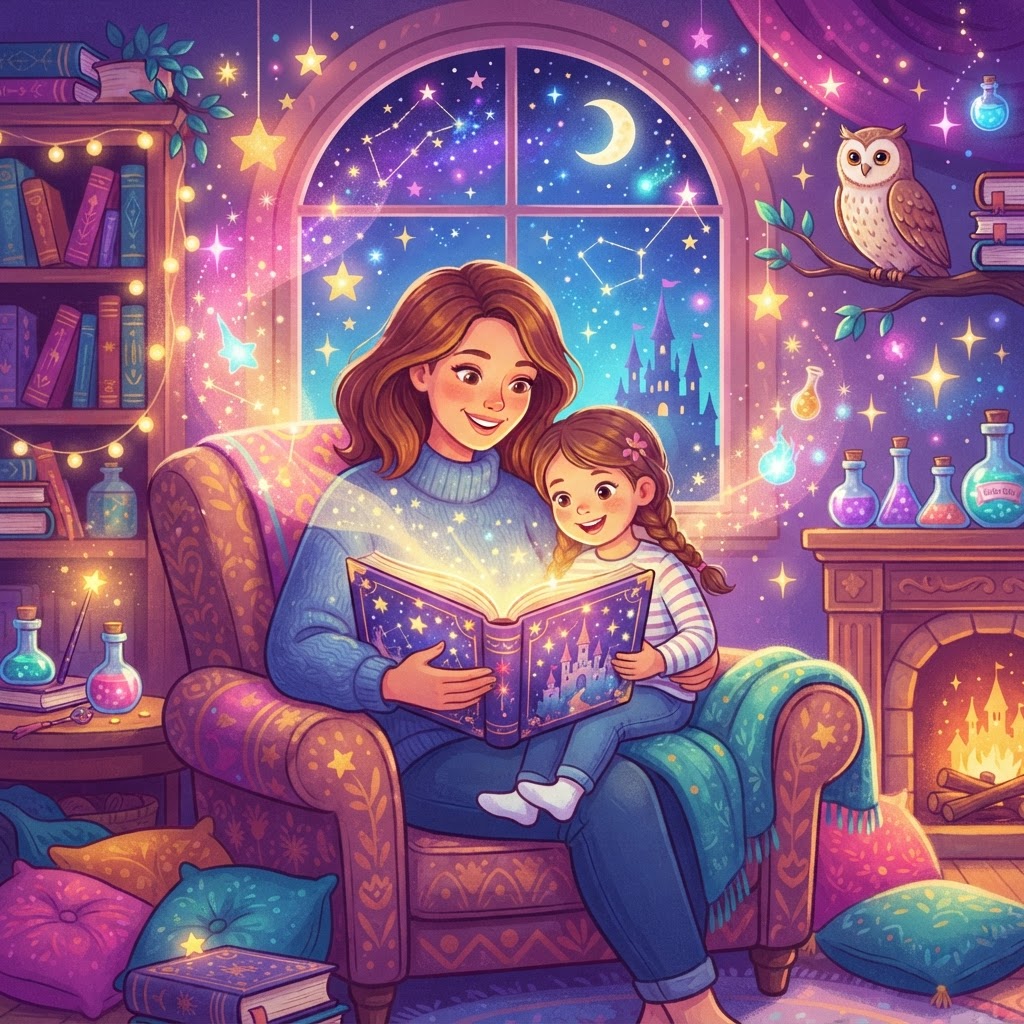
If your child lights up at the thought of spells, glowing towers, and talking owls, wizards stories for kids can be a wonderful choice for reading time. These stories blend wonder, comfort, and gentle life lessons in a way that works beautifully at bedtime or during daytime play. Whether you want short wizards bedtime stories for toddlers or richer stories about wizards for older children, the best tales do more than entertain. They help children build language, empathy, confidence, and imagination.
Why do children love wizard stories?
Children love wizard stories because magic gives shape to feelings they cannot always explain. A spell can stand in for worry, bravery, jealousy, or hope, which makes big emotions easier to explore.
Wizards also make children feel that the world is full of possibility. A shy child can imagine speaking to stars. A worried child can picture a wand that brings calm. That sense of “maybe” is powerful for young minds.
There is real developmental value here too. The American Academy of Pediatrics highlights how reading aloud supports language, bonding, and early literacy. Research shared by the Harvard Center on the Developing Child also shows that imaginative play helps children practice memory, flexible thinking, and self-control.
In simple terms, wizards tales children enjoy often work because they offer:
- Clear good-versus-problem storylines
- Fun, repeatable magical patterns
- Safe ways to face fears
- Strong opportunities for pretend play
- A hopeful ending where effort matters
What makes great wizard stories for kids?
Great wizard stories for kids are simple, emotionally clear, and full of wonder without becoming confusing or scary. The best ones focus on a child-friendly problem first, then use magic to make the lesson memorable.
A strong wizard story usually includes:
- A relatable goal, like finding courage or helping a friend
- A gentle magical rule, such as “magic works best when you tell the truth”
- A warm emotional arc, where the character grows
- A satisfying ending, especially for bedtime reading
- A touch of humor, surprise, or repetition
It also helps to match the story to your child’s age.
Ages 1-3
Keep the plot very short. Use repetition, soft magic, and simple images like glowing hats, sleepy dragons, or floating bubbles.
Ages 4-6
This is a sweet spot for wizards bedtime stories. Children this age enjoy quests, silly spells, and stories where the wizard learns kindness, patience, or problem-solving.
Ages 7-10
Older children can handle more layered stories about wizards, including mysteries, rivalries, and moral choices. They often enjoy apprentice wizards, magical schools, and longer adventures.
Which wizard story ideas work best for children?
The best wizard story ideas combine magic with a child-sized lesson. A good story about a wizard should feel exciting, but the emotional challenge should still be familiar and easy to understand.
Here are seven story starters you can use at home or turn into personalized tales:
-
The Wizard Who Lost the Morning Sun
A forgetful wizard misplaces the spell that wakes the sun, and two children help him retrace his steps.
Lesson: Teamwork and responsibility. -
The Tiny Wizard and the Giant Soup Pot
A very small wizard wants to cook for the whole village but keeps making silly mistakes. In the end, he learns to ask for help.
Lesson: Pride, persistence, and cooperation. -
The Library of Whispering Spells
A child enters a secret library where each spell only works if spoken kindly. Harsh words make the books close.
Lesson: Language matters. -
The Wizard Who Was Afraid of Thunder
Even though he can calm storms, a wizard still feels nervous when lightning cracks. A child teaches him a breathing trick.
Lesson: Brave people feel fear too. -
The Moon Map Apprentice
A young apprentice must read a changing map in the night sky to guide lost animals home.
Lesson: Observation, patience, and trust. -
The Garden Wizard’s Sleeping Seeds
A wizard cannot force his seeds to grow, so he learns to water, wait, and care for them daily.
Lesson: Growth takes time. -
The Dragon Who Wanted Bedtime Stories
A friendly dragon refuses to sleep unless a wizard tells him a new tale each night. Soon, the wizard realizes the dragon’s favorite stories are about friendship, not fire.
Lesson: Bedtime routines and emotional comfort.
If your child enjoys magical themes beyond wizards, you can also explore brave quests in knights adventure stories or softer fairy-tale magic in princess bedtime favorites.
How can parents build strong characters in stories about wizards?
Strong wizard characters are built through choices, not just powers. Children connect most deeply with wizards who make mistakes, learn something, and try again.
When creating stories about wizards, start with a simple character frame:
- What does the wizard want?
To make a friend, solve a problem, protect a pet, or fix a mistake. - What is the wizard struggling with?
Being impatient, shy, boastful, messy, or easily distracted. - Who helps them grow?
A child, animal, sibling, grandparent, or magical creature. - What choice changes the story?
Telling the truth, apologizing, sharing, or asking for help.
This matters for child development. Emotional storytelling gives children words for inner experiences. The CDC’s developmental guidance also emphasizes the importance of social and emotional growth in early childhood.
Here are a few practical character tips:
- Give the wizard one strength and one flaw
- Let the magic fail at least once
- Make kindness more powerful than perfect spells
- Use dialogue children can repeat
- End with a clear emotional win, not just a magical one
For example, a wizard who can light the stars but cannot say “I’m sorry” is far more interesting than a wizard who does everything right.
How can InstaTales turn wizard ideas into personalized bedtime stories?
InstaTales can turn a simple wizard prompt into a story that feels made just for your child. Personalization helps children pay attention because they recognize their own name, interests, and feelings inside the adventure.
You can create your own personalized bedtime story by choosing details like:
- Your child’s name and age
- Favorite colors, animals, or magical objects
- Bedtime tone: calm, funny, adventurous, or gentle
- A specific lesson, such as sharing or bravery
- The setting, like a moon tower, enchanted forest, or sky library
If you want a fast start, browse the wizard-friendly story templates. If your child asks for the same tale again tomorrow, save it in your story library for easy re-reading.
For educators, wizard themes can also support literacy lessons, creative writing, and social-emotional learning. That is where InstaTales for teachers can be especially useful.
A simple personalized prompt might look like this:
Example prompt
“Create a gentle wizard bedtime story for a 5-year-old named Ella. She loves owls, purple stars, and gardens. The wizard should learn patience, and the ending should feel calm and sleepy.”
That level of detail often leads to richer, more meaningful wizards bedtime stories than generic tales.
How can families extend wizard tales beyond bedtime?
Wizard stories work best when children can talk about them, act them out, and return to them later. A few minutes of follow-up can deepen comprehension, vocabulary, and emotional learning.
Try these easy extensions:
- Ask, “What was the wizard’s biggest mistake?”
- Invite your child to draw a wand, tower, or magical map
- Act out the story with stuffed animals
- Make up a new spell that solves a real-life problem kindly
- Compare wizard adventures with other themes, like princess story ideas or mystical journeys from Nordic lands
If your family enjoys reading routines, you can also explore more themed resources on the InstaTales blog. Repetition is not a problem. In fact, repeated stories help children predict language, remember plot structure, and feel secure.
The goal is not just to tell wizards stories for kids once. It is to create a small world your child can revisit, reshape, and make their own.
Frequently Asked Questions
What age are wizard stories best for?
Wizard stories can work well from toddlerhood through age 10. Younger children usually enjoy short, gentle magic, while older children like deeper plots and bigger choices.
Are wizard bedtime stories too exciting before sleep?
Not if you choose the right tone. Calm pacing, soft imagery, and a reassuring ending make wizard stories a strong bedtime option.
How do I make stories about wizards less scary?
Keep the conflict small and clear. Use friendly magical creatures, limit dark imagery, and make sure the wizard has help and a safe ending.
Can personalized wizard stories help reluctant readers?
Yes. Children are often more motivated when they hear their own name, interests, and favorite themes in a story. Personalization can increase attention and emotional connection.
What lesson should a good wizard story teach?
The best lesson depends on your child, but kindness, patience, honesty, and courage all fit naturally into wizard tales. A simple lesson usually works better than a heavy moral.
Can teachers use wizard tales in the classroom?
Absolutely. Wizard stories can support vocabulary, sequencing, creative writing, and social-emotional discussion. Personalized prompts also help children engage more actively with story structure.
Ready to Create a Personalized Bedtime Story?
Use our free AI bedtime story generator to create a personalized illustrated story for your child in 30 seconds — no credit card needed.
Popular story types:
Maya Rodriguez
Lead Content Editor & Early Literacy Specialist
Maya is a former early childhood educator and literacy specialist with over a decade of experience helping children develop a love of reading. She leads content at InstaTales, where she writes about the science of storytelling, child development, and how families can use personalized AI stories to build literacy and emotional resilience.
instatales.ai