Knights Stories for Kids: 7 Brave Adventure Ideas
Exciting knights stories for kids — adventures, lessons, and imagination with your child's favorite characters.
✦ Key Takeaways
- •Children love knight stories because they make big feelings feel manageable.
- •The best knights bedtime stories are adventurous but gentle.
- •You do not need a long plot to create memorable stories about knights.
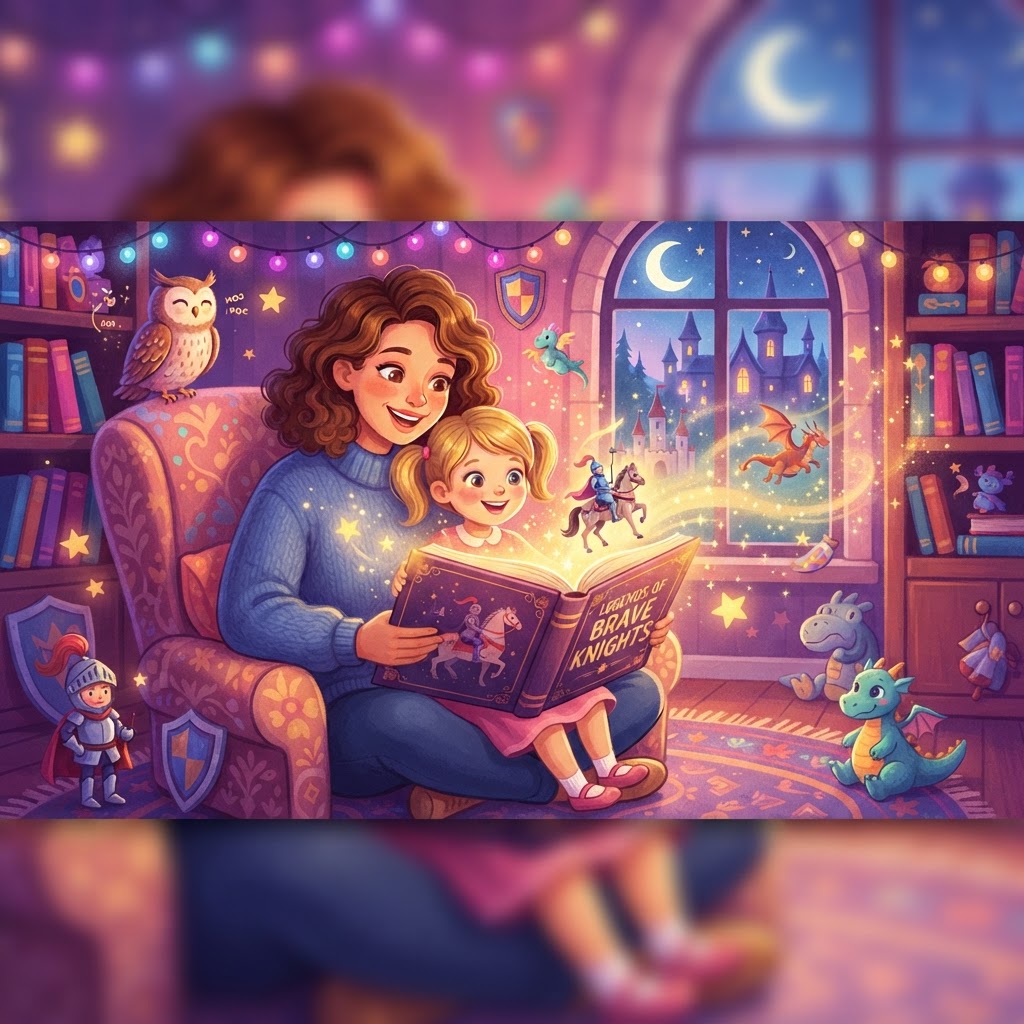
Few themes spark imagination as quickly as a shining helmet, a castle gate, and a brave mission before bedtime. Knights stories for kids work so well because they mix action, safety, and simple values: helping others, trying again, and doing the right thing even when it feels hard. If your child loves dragons, royal quests, or heroic helpers, this guide will show you why stories about knights are so appealing, share easy story ideas to try tonight, and explain how to turn your child into the hero of a personalized knight adventure.
Why do children love knights stories?
Children love knight stories because they make big feelings feel manageable. A knight faces a challenge, gets help, learns a lesson, and usually ends in safety and calm.
For young children, that structure matters. It gives them a clear beginning, middle, and end, which supports comprehension and emotional security. Many knights tales children enjoy also include simple moral choices, such as telling the truth, protecting a friend, or being brave in small ways.
Knight stories also fit naturally with pretend play. Research from the Harvard Center on the Developing Child shows that imaginative play helps children build self-regulation, flexible thinking, and social understanding. When a child imagines being “Sir Leo” or “Knight Maya,” they are not just playing. They are practicing courage, empathy, and problem-solving.
There is also the fun factor. Castles, maps, secret doors, talking dragons, and moonlit quests all make excellent story ingredients. If your child also enjoys royal or myth-inspired worlds, you can pair knight adventures with princess story ideas or folklore-inspired journeys like stories from Nordic lands.
What makes knights bedtime stories work so well?
The best knights bedtime stories are adventurous but gentle. They give children a feeling of excitement without making bedtime harder.
A strong bedtime knight story usually includes:
- A kind main character with one clear goal
- A challenge that feels exciting, not frightening
- Repetition or predictable phrases
- A comforting ending with safety, rest, or celebration
For toddlers and preschoolers, keep the stakes low. A lost crown, a sleepy dragon, or a bridge that needs fixing works better than a scary battle. For ages 6-10, you can add more mystery, teamwork, and character growth.
Shared reading research supports this approach. A 2018 meta-analysis on dialogic reading found that interactive story time supports children’s language growth, especially when adults ask simple questions and build on the child’s ideas. Resources from Reading Rockets also emphasize that expressive read-alouds help children develop vocabulary, listening skills, and comprehension.
A good knight bedtime story should leave a child settled, not keyed up. Think “quest with a cozy landing,” not “chaos until lights-out.”
Which knights stories for kids can you try tonight?
You do not need a long plot to create memorable stories about knights. Short, clear ideas often work best, especially at bedtime.
The Knight Who Was Afraid of the Dark
A young knight must deliver a lantern to the castle tower after sunset. Along the way, they learn that shadows can look bigger than they are, and that courage sometimes means taking one small step at a time.
The Dragon With a Sore Wing
A knight is sent to guard the village from a dragon, only to discover the dragon is hurt and scared. Instead of fighting, the knight brings bandages, soup, and help, teaching compassion over conflict.
The Missing Golden Key
The castle key has vanished before the royal picnic. A careful knight follows clues through the garden, bakery, and stables, solving the mystery by listening well and noticing details.
The Tournament of Kindness
Instead of jousting, young knights compete in acts of service. One helps a nervous squire, one repairs a villager’s cart, and one shares lunch with a lonely page. The winner is the child who shows the biggest heart.
The Knight and the Broken Bridge
A storm damages the bridge to the village. The knight cannot fix it alone, so they gather a builder, a baker, and a child with clever ideas. This story teaches teamwork and community care.
The Moonlight Castle Rescue
A favorite toy, puppy, or stuffed rabbit is stuck in the castle tower. The knight climbs winding stairs, solves a riddle, and rescues the friend just before the moon reaches the highest window.
The Little Squire’s First Quest
A new squire wants to be brave but keeps making mistakes. By the end, they learn that asking for help, telling the truth, and trying again are all signs of real courage.
These ideas work well because they combine adventure with emotional safety. You can also adapt them by swapping in your child’s name, favorite animal, sibling, or comfort object.
How can stories about knights support character development?
Knight stories can teach character beautifully when bravery is shown as more than fighting. The strongest lesson in knights stories for kids is that a hero protects, listens, and grows.
When choosing or creating stories, focus on traits like:
- Courage: trying even when something feels hard
- Empathy: noticing when someone else needs help
- Honesty: admitting mistakes and making repairs
- Perseverance: practicing after setbacks
- Fairness: using strength kindly and wisely
One useful tip is to give the knight a flaw, not just a sword. Maybe the knight talks too fast, gets jealous, or fears thunder. That makes the story more human, and it gives children a safe way to think about their own struggles.
Another tip is to let kindness solve the problem at least as often as force does. The American Academy of Pediatrics encourages parents to choose media and stories that model healthy relationships and emotional regulation. In practice, that means a dragon can be lonely, a rival knight can become a friend, and a mistake can lead to learning instead of shame.
After the story, ask one simple reflection question:
- “What made the knight brave?”
- “Who needed help?”
- “What would you do?”
That short conversation builds comprehension and social-emotional learning without turning bedtime into a lesson plan.
How can you create personalized knights adventures with InstaTales?
Personalized knight stories are easy to create when you start with your child’s real interests. The most engaging adventures use familiar details, gentle challenges, and a hero your child can instantly recognize.
With InstaTales, you can create your own personalized bedtime story by adding details such as:
- Your child’s name and age
- A favorite color, toy, or pet
- The type of quest they enjoy
- A bedtime-friendly ending
- A lesson you want to reinforce, like sharing or persistence
If you want a quick start, browse the built-in story templates. A simple knight template can become “Sir Amira and the Sleepy Dragon” or “Leo’s Quest for the Missing Moon Crystal” in minutes.
For the best results, keep the character arc simple:
- Start with a small problem.
- Give your child-hero one challenge to solve.
- Add a helper, such as a dragon, owl, sibling, or royal baker.
- End with success, comfort, and rest.
Personalized stories also become more powerful when children hear them again. Saving favorites in your story library lets you revisit the same knight hero across many nights, which supports memory, language, and confidence.
If you are creating for different age groups, adjust the tone:
- Ages 1-3: repetitive, soothing, sensory details
- Ages 4-6: clear quest, playful tension, happy ending
- Ages 7-10: richer world-building, dilemmas, and teamwork
How can parents keep knight stories age-appropriate and meaningful?
Knight stories stay age-appropriate when the focus is protection, problem-solving, and kindness rather than violence. Children do not need harsh conflict to enjoy heroic adventure.
A few practical guidelines help:
- Keep danger symbolic or mild for younger children
- Replace battles with rescues, puzzles, or repairs
- Make the “villain” a misunderstanding when possible
- End with emotional closure, not a cliffhanger
- Watch your child’s cues and simplify if needed
This matters because children process stories through their own developmental stage. A preschooler may fixate on one scary image, while an older child may enjoy suspense and moral complexity. As a child development rule, “less is more” before sleep.
If your child becomes especially interested in themes like castles, legends, or world folklore, expand gradually. You can mix knight adventures with stories from different cultures, friendship tales, or calm fantasy worlds to keep reading rich and balanced.
Frequently Asked Questions
What age are knights stories best for?
Knights stories for kids can work from toddlerhood through age 10. The key is to match the plot to the child’s age, keeping it simple and soothing for little ones and more layered for older readers.
Are knights bedtime stories too exciting before sleep?
Not if they are written well. The best knights bedtime stories use gentle suspense, clear emotional safety, and a calm ending that helps children settle.
What lessons can children learn from stories about knights?
Children can learn bravery, honesty, teamwork, and empathy. The most helpful stories about knights show that real strength includes kindness and self-control.
How long should a knight bedtime story be?
For toddlers, aim for 3-5 minutes. For ages 4-10, 5-10 minutes is usually enough to enjoy the adventure without overstimulating bedtime.
How can I make knights tales children will want to hear again?
Use repetition, a lovable hero, and a predictable ending. Children often return to knights tales children connect with because familiarity feels comforting and helps them remember new words and ideas.
Can I personalize a knight story for siblings?
Yes. Give each sibling a role, such as knight, map-reader, healer, or dragon friend. Shared roles reduce competition and make the story feel cooperative instead of one child-centered.
Ready to Create a Personalized Bedtime Story?
Use our free AI bedtime story generator to create a personalized illustrated story for your child in 30 seconds — no credit card needed.
Popular story types:
Maya Rodriguez
Lead Content Editor & Early Literacy Specialist
Maya is a former early childhood educator and literacy specialist with over a decade of experience helping children develop a love of reading. She leads content at InstaTales, where she writes about the science of storytelling, child development, and how families can use personalized AI stories to build literacy and emotional resilience.
instatales.ai