Child Wants Princess Stories? A Reading Guide
Does your child only want princess stories? Here's how to embrace their preference and gently expand their reading horizons.
✦ Key Takeaways
- •Yes, many children fixate on one story type for very normal developmental reasons.
- •In most cases, you should embrace the preference first.
- •Research suggests that choice matters, repetition matters, and adult interaction matters most.
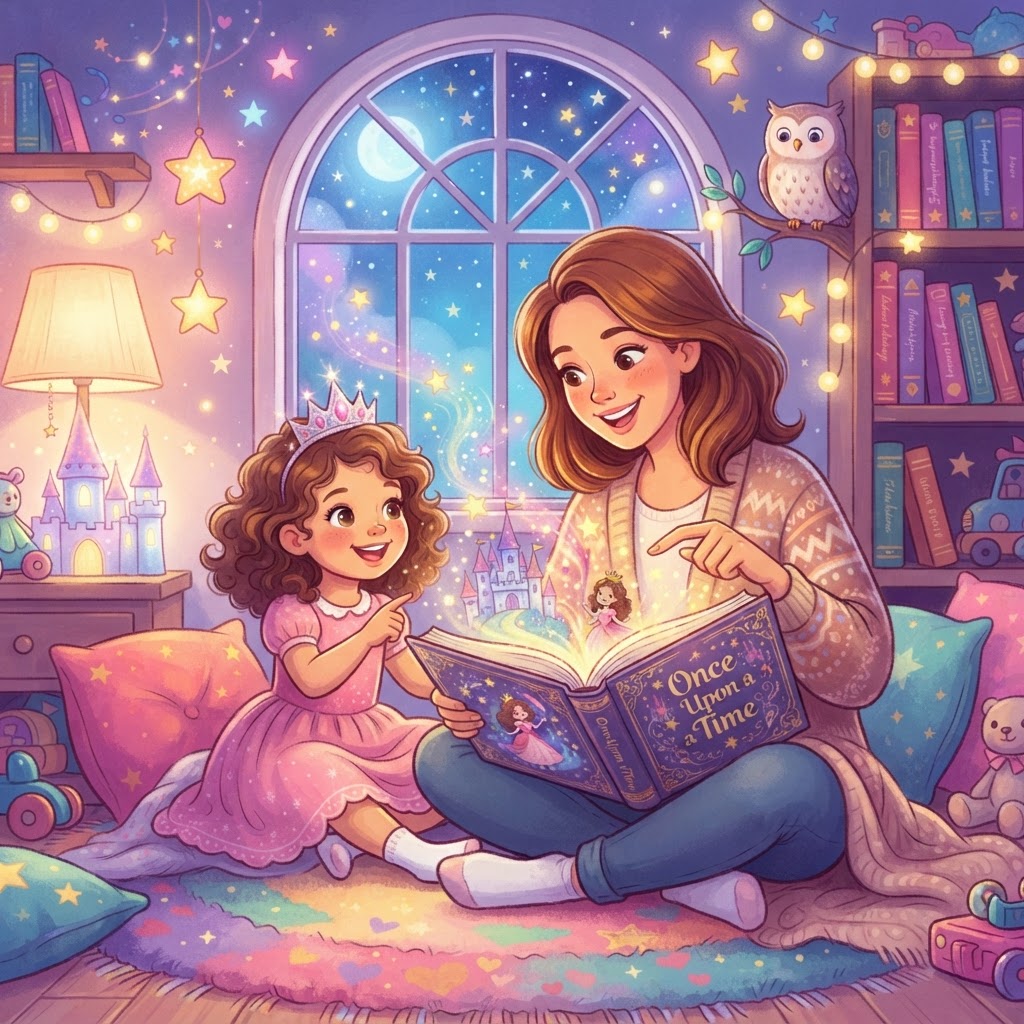
If your child wants princess stories every single night, that is not a reading problem. It is usually a sign of healthy reading preferences, imagination, and a need for comfort through familiar story patterns. The goal is not to stop the princess phase. The goal is to use it well, so your child feels seen while gradually discovering that books can offer many kinds of heroes, adventures, and endings.
Why does my child only want princess stories?
Yes, many children fixate on one story type for very normal developmental reasons. Princess stories offer clear plots, strong emotions, beautiful imagery, and reassuring endings, which makes them especially appealing to young listeners.
Children often return to familiar themes because repetition helps them learn. A princess story may include predictable elements like castles, helpers, a challenge, and a happy ending. That structure makes it easier for children to follow language, anticipate what comes next, and feel emotionally safe.
Research on shared reading supports this. Organizations like Reading Rockets note that repeated reading helps children build vocabulary, story knowledge, and confidence. Child development experts at the Harvard Center on the Developing Child also emphasize that responsive back-and-forth interaction during reading supports language growth.
Princess stories can also meet deeper needs:
- Identity play: children imagine who they could be
- Mastery: they learn the same plot until it feels fully theirs
- Beauty and wonder: crowns, animals, magic, and gowns are rich sensory details
- Safety: many princess stories for kids end with order restored
So if your child keeps choosing princess books, think of it as a clue, not a limitation.
Should parents embrace princess stories or try to limit them?
In most cases, you should embrace the preference first. Children are more likely to stay engaged with reading when they feel their interests are respected.
When parents worry about “too many princess stories,” the real concern is often variety, stereotypes, or boredom. Those are fair concerns. But limiting a child’s favorite theme too early can turn reading into a struggle, especially at bedtime when connection matters most.
A better approach is: accept first, expand second.
You might say:
- “You really love brave princess stories.”
- “Let’s find one with a princess and a dragon.”
- “Tonight we’ll read your favorite, and tomorrow we’ll try a princess adventure in the forest.”
This keeps reading positive while making room for growth. If your child also wants the exact same story every night, our guide to the same book every night can help.
It also helps to remember that modern princess stories do not have to be passive or narrow. You can choose stories where the princess is:
- curious
- funny
- kind
- inventive
- a problem-solver
- a leader
- a friend
That small shift matters. You are not rejecting the princess theme. You are widening what “princess” can mean.
What does research say about children’s reading preferences?
Research suggests that choice matters, repetition matters, and adult interaction matters most. In other words, what your child wants to hear is important, but how you read it with them matters just as much.
Early literacy research by Grover Whitehurst and colleagues on dialogic reading found that children learn more when adults ask questions, pause, and invite participation. The National Association for the Education of Young Children has also highlighted how interactive storybook reading strengthens language and comprehension.
That means a princess obsession can still be educational when you read actively. You do not need a “teaching book” for learning to happen. A beloved story about a princess can support:
- new vocabulary
- sequencing
- prediction
- emotional understanding
- conversation
- memory
Choice also supports motivation. Children are more likely to attend, talk, and remember when the topic already interests them. So if your child loves royal balls and magical kingdoms, that interest is a powerful reading tool.
How can you read princess stories in ways that build literacy skills?
You can turn familiar princess stories into rich learning moments by changing how you read, not just what you read. A favorite theme becomes far more valuable when you invite your child to think, predict, and talk.
Try these simple strategies during read-aloud time:
Ask open questions
Instead of only reading straight through, pause and ask:
- “Why do you think the princess did that?”
- “What do you think will happen next?”
- “How is this princess feeling right now?”
These questions build comprehension and emotional language.
Compare one princess story to another
If you read several princess stories for kids, compare them:
- “Which princess was braver?”
- “Which ending felt happiest?”
- “Which helper was most useful?”
Comparison helps children notice story structure and character traits.
Stretch vocabulary naturally
Princess books are full of rich words like royal, glimmering, rescue, banquet, and quest. Briefly explain new words in context, then keep going.
Invite retelling
After the story, ask your child to “tell it back” in their own words. Retelling supports memory, sequencing, and oral language.
Notice patterns
Children love predictable lines. Encourage them to join in on repeated phrases, sound effects, or key moments.
If bedtime reading starts to feel flat, even with a favorite topic, our article on when a child loses interest in stories offers practical ways to re-engage them.
How can you introduce new stories without a power struggle?
The gentlest way to introduce variety is to stay close to the original preference. Start with “princess plus something new,” not “no more princess stories.”
For example, if your child only wants princess tales, try branching out like this:
- Princess + animals
- Princess + mystery
- Princess + friendship
- Princess + science or invention
- Princess + travel
- Princess + gentle adventure
This works because the child still gets the familiar anchor they love.
You can also use a simple “bridge” method:
- Read one favorite princess story.
- Read a second story with one shared element.
- Over time, reduce the princess element and keep the shared interest.
Here is what that might look like:
- Night 1: a classic princess story
- Night 2: a princess and unicorn story
- Night 3: a unicorn story with no princess
- Night 4: a friendship adventure with magical creatures
This protects connection and expands taste slowly. If your child later shifts toward other intense genres, you may also find helpful tips in our guides to funny stories with variety or stories that feel too scary.
How can AI help when your child wants princess stories every night?
AI can be a very helpful tool when used as a co-reading aid, not a babysitter. It lets you keep the princess theme your child loves while adding fresh characters, settings, and lessons.
This is especially useful when you want variety without losing buy-in. You can create your own personalized bedtime story that still includes a princess, but also introduces new ideas such as teamwork, problem-solving, kindness, or cultural variety.
Here are a few smart ways to use AI for princess story variety:
- Create a princess who solves problems with creativity, not rescue
- Change the setting from a castle to a jungle, moon base, or village
- Add a side character who is funny, shy, clever, or scientific
- Explore different emotions, like jealousy, bravery, or disappointment
- Retell the story with your child as the helper, inventor, or hero
You can also use ready-made story templates when you want a quick starting point, then save favorites in your story library for easy re-reading.
A few best practices matter:
- Read together rather than handing over a device alone
- Check the story for age fit and tone
- Keep the language simple for younger children
- Use AI to expand imagination, not replace conversation
The best AI stories still depend on a real adult-child connection. That aligns with guidance from the American Academy of Pediatrics, which emphasizes that young children learn best through responsive interaction, not passive media use.
What should you do if princess stories raise concerns about stereotypes?
You do not need to ban princess stories to address stereotypes. Instead, choose or shape stories that widen the roles girls and boys can play.
Look for princess stories where the main character shows:
- courage
- leadership
- curiosity
- humor
- kindness
- problem-solving
You can also ask gentle questions such as:
- “Did the princess solve the problem herself?”
- “Could the prince ask for help too?”
- “What else can a royal family do besides rule a castle?”
These questions teach critical thinking without making story time feel like a lecture. Over time, children learn that stories can hold sparkle and strength at the same time.
Frequently Asked Questions
Is it normal if my child only wants princess stories?
Yes, it is very normal. Many young children go through strong theme preferences because repetition feels comforting and helps them learn story patterns.
Will too many princess stories limit my child’s reading development?
Not by themselves. If you read interactively and slowly add related themes, princess stories can support vocabulary, comprehension, and imagination very well.
How do I introduce variety if my child refuses other books?
Start with a bridge book that keeps one favorite element, like magic, animals, or castles. Familiarity lowers resistance and makes new genres feel safe.
Are princess stories bad because of gender stereotypes?
Not necessarily. The key is choosing stories that show a wide range of traits, such as bravery, kindness, leadership, and creativity, rather than only beauty or rescue.
Can AI-generated princess stories be good for kids?
Yes, when an adult reads with the child and checks the story first. AI can help you personalize themes, widen representation, and keep a beloved genre fresh without losing engagement.
What if my child gets upset when I change the story too much?
Go more slowly. Keep the princess element steady, then change just one detail at a time, such as the setting, sidekick, or problem to solve.
Ready to Create a Personalized Bedtime Story?
Use our free AI bedtime story generator to create a personalized illustrated story for your child in 30 seconds — no credit card needed.
Popular story types:
Maya Rodriguez
Lead Content Editor & Early Literacy Specialist
Maya is a former early childhood educator and literacy specialist with over a decade of experience helping children develop a love of reading. She leads content at InstaTales, where she writes about the science of storytelling, child development, and how families can use personalized AI stories to build literacy and emotional resilience.
instatales.ai