Rabbits stories for kids: tales and fun facts
Delightful rabbits stories for kids — plus real fun facts woven into each tale. Perfect for young animal lovers who love a good story.
✦ Key Takeaways
- •Rabbits make strong story heroes because they feel safe, expressive, and easy for children to understand.
- •The best rabbits stories for kids use one simple adventure and one or two memorable facts.
- •Real facts make stories better because they deepen curiosity without making reading feel like a lesson.
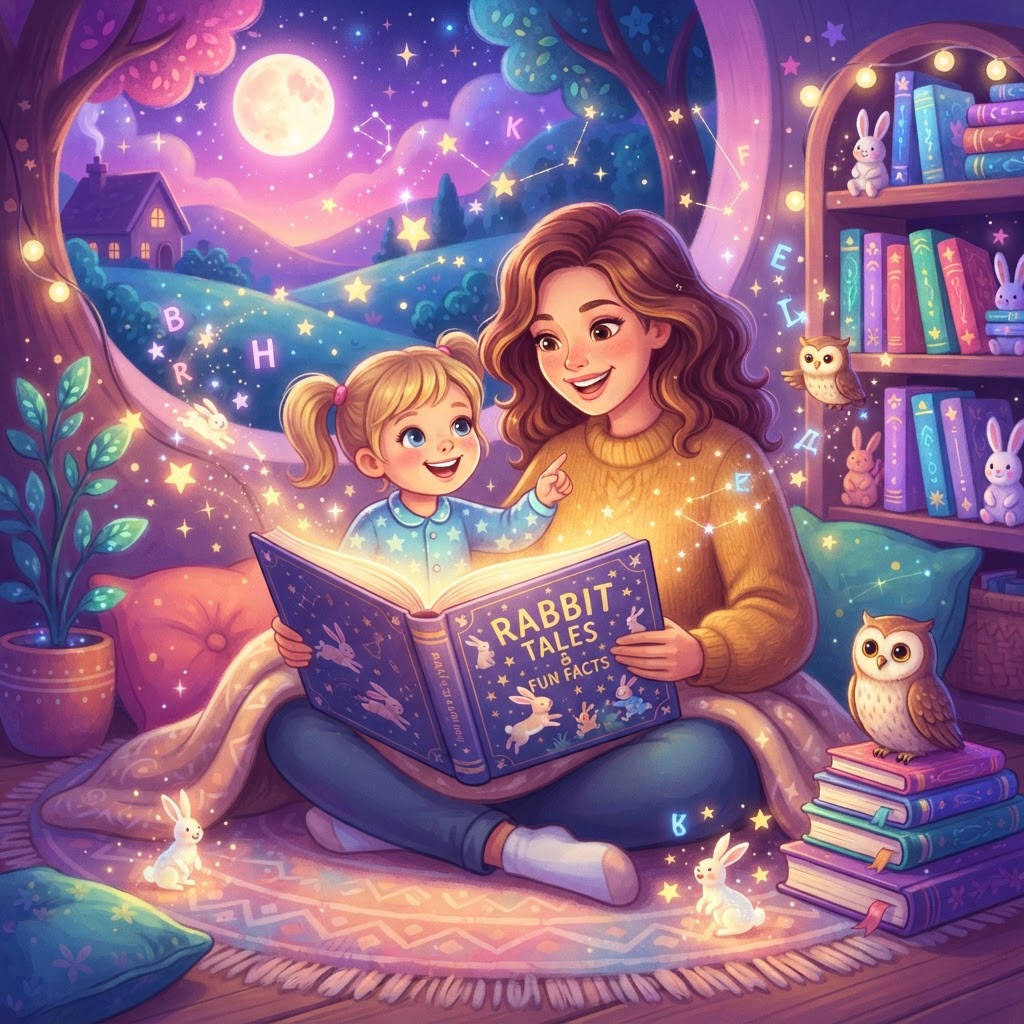
Soft, curious, and full of motion, rabbits make wonderful story characters for young children. The best rabbits stories for kids blend gentle adventure with real animal behavior, so a child enjoys the tale and learns something true at the same time.
That mix matters. Child development organizations such as the American Academy of Pediatrics emphasize that shared reading supports language growth, attention, and parent-child bonding, especially when adults pause to talk about pictures, sounds, and new facts from the story. If your child loves stories about rabbits, the ideas below can turn bedtime into both a cozy ritual and a mini nature lesson.
Why do rabbits make such lovable story heroes?
Rabbits make strong story heroes because they feel safe, expressive, and easy for children to understand. Their hopping, listening, hiding, and nibbling create clear actions that even toddlers can follow.
From an educator’s perspective, rabbit characters also work well because they invite repetition. A bunny can hop-hop-hop, twitch its nose, or peek out of a burrow again and again, which supports early language development and memory. Real rabbit traits help too: children are often fascinated to learn that rabbits are most active at dawn and dusk, live in burrows called warrens, and use body language to stay safe.
Another reason rabbit tales work well at bedtime is tone. Unlike some wild animal themes, rabbits bedtime stories can be exciting without feeling too intense. A small challenge, a hidden path, or a moonlit garden is usually enough to keep the story engaging while still ending on a calm, reassuring note.
Which rabbits stories for kids can you create tonight?
The best rabbits stories for kids use one simple adventure and one or two memorable facts. The five ideas below are designed for bedtime, classroom read-alouds, or instant AI story generation.
The Moonlight Carrot Map
A young rabbit named Mina discovers a glowing carrot-shaped map that only appears at sunset. She must follow the silver path through clover fields and back home before the stars fade.
Weave in these facts: rabbits are most active at dawn and dusk, and their long ears help them hear danger and release body heat, as explained by the San Diego Zoo Wildlife Alliance.
AI prompt: Write a gentle bedtime story for ages 4-7 about a rabbit named Mina who finds a glowing carrot map at sunset. Include real facts that rabbits are most active at dawn and dusk and use their long ears to hear well. Make it cozy, magical, and end safely in the burrow.
The Chew School in Clover Hollow
Pip the bunny worries because he keeps chewing everything in sight: sticks, bark, and even the corner of a welcome sign. Grandma Rabbit takes him to Chew School, where he learns what rabbits should really munch.
Weave in these facts: rabbit teeth grow continuously, so they need safe chewing and lots of hay or grasses to wear them down. The House Rabbit Society offers practical rabbit care guidance based on these needs.
AI prompt: Create a playful story about Pip the rabbit learning why bunnies need to chew hay and grasses. Include the fact that rabbit teeth keep growing and that chewing the right foods helps keep them healthy. Keep the tone funny and warm.
The Burrow School Surprise
On the first day of underground school, Tansy gets lost in the winding tunnels beneath the meadow. Along the way, she meets cousins, neighbors, and tiny baby rabbits sleeping in side chambers.
Weave in these facts: wild rabbits often live in tunnel systems called warrens, and baby rabbits are called kits. These details add a real-world layer to rabbit tales children quickly remember.
AI prompt: Write an adventurous but reassuring story about a rabbit named Tansy getting lost in a warren on her first day of school. Include the real facts that wild rabbits live in burrows called warrens and that baby rabbits are called kits. End with family and friends helping her home.
The Thump at Fern Hill
When the meadow goes suddenly quiet, little Juniper hears a loud thump-thump-thump from the hill. She learns that one brave rabbit is warning everyone to freeze, listen, and stay safe.
Weave in these facts: rabbits communicate through body language, and they may thump their hind feet to signal danger. Because rabbits are social animals, paying attention to other rabbits can help protect the group.
AI prompt: Tell a nature-based story for ages 5-8 about a rabbit community that hears a warning thump from Fern Hill. Include real rabbit behavior about thumping to alert others and using body language to communicate. Make the ending calm and comforting.
The Garden of Leafy Wishes
A shy rabbit named Wren sneaks into a kitchen garden, expecting a feast of treats, but discovers that the best patch is full of grasses, herbs, and leafy greens. She also learns that the safest garden is the one with plenty of places to hide.
Weave in these facts: rabbits are herbivores that eat plant foods, and as prey animals they feel safer when they have cover and quiet hiding spots. These are simple, accurate details that make stories about rabbits feel true.
AI prompt: Write a soft bedtime story about a rabbit named Wren exploring a garden of leafy wishes. Include facts that rabbits are herbivores and feel safest when they have hiding places nearby. Use gentle sensory details and a sleepy ending.
How do real rabbit facts make stories better for children?
Real facts make stories better because they deepen curiosity without making reading feel like a lesson. A child hears a fun tale, then walks away knowing something accurate about animal life.
This matters for comprehension. Early childhood research consistently shows that children learn vocabulary and world knowledge best when adults connect new ideas to an engaging context. In practice, that means a child is more likely to remember “rabbits live in warrens” after following Tansy through a tunnel than after hearing the fact by itself.
Facts also create richer conversation. After the story, you can ask:
- Why do you think the rabbit thumped?
- What would a warren look like underground?
- Why do rabbits need to chew so much?
That kind of back-and-forth talk supports oral language, reasoning, and knowledge-building. For families who enjoy other animal themes, woodland readers often also love fox story ideas, especially when comparing how different animals stay safe.
How can you turn rabbit story ideas into personalized adventures with InstaTales?
You can turn these ideas into personalized rabbit adventures in just a few minutes. The easiest approach is to start with one story concept, add your child’s name and favorite details, and let the story match their age and attention span.
Here is a practical method that works well for parents and teachers:
- Pick one story idea from the list above.
- Add personal details: your child’s name, age, favorite color, a beloved stuffed animal, or a fear you want the story to handle gently.
- Paste the idea into create your own personalized bedtime story to generate a custom rabbit adventure.
- If you want a faster start, browse ready-made story templates and adapt one with a rabbit hero.
- Save favorites in your story library so children can revisit the same character night after night.
For classrooms, rabbit stories can support science, sequencing, and descriptive writing. Teachers can build a rabbit unit around habitats, plant-eating animals, or springtime life cycles using InstaTales for teachers. If you are looking for rabbits tales children can help shape themselves, invite them to choose the rabbit’s name, problem, and home before you generate the story.
To keep stories developmentally appropriate, stay with one main plot, one feeling, and one key fact for younger children. That structure is especially effective for ages 3-6 and aligns with what reading specialists know about attention, repetition, and emotional security during read-aloud time. For more on the benefits of reading aloud, the American Academy of Pediatrics is a useful family resource.
Frequently Asked Questions
What age are rabbit stories best for?
Rabbit stories work well for ages 1-10, but the format should change by age. Toddlers do best with repetition and simple actions, while older children enjoy fuller plots and more animal facts.
How long should rabbits bedtime stories be?
For most young children, 3-7 minutes is ideal at bedtime. A short, calm ending helps children settle, especially if the story includes a safe homecoming or sleepy burrow scene.
Can rabbit stories teach real science?
Yes, they can introduce accurate ideas in a child-friendly way. Facts about habitats, diet, body language, and daily activity patterns fit naturally into stories and build early science knowledge.
How can I make a rabbit story feel personalized?
Add your child’s name, favorite foods, favorite colors, and familiar places like a backyard or park. Personalized details increase attention and make the story feel emotionally meaningful.
Are rabbit stories good for classrooms?
Yes. Rabbit stories can support literacy, vocabulary, sequencing, animal studies, and discussion. They are especially useful in early elementary settings because the subject is gentle, familiar, and easy to connect to science topics.
Ready to Create a Personalized Bedtime Story?
Use our free AI bedtime story generator to create a personalized illustrated story for your child in 30 seconds — no credit card needed.
Popular story types:
Maya Rodriguez
Lead Content Editor & Early Literacy Specialist
Maya is a former early childhood educator and literacy specialist with over a decade of experience helping children develop a love of reading. She leads content at InstaTales, where she writes about the science of storytelling, child development, and how families can use personalized AI stories to build literacy and emotional resilience.
instatales.ai