Stories from Japan for Children
Travel to Japan through these enchanting stories for children — tales of adventure, wisdom, and wonder from around the world.
✦ Key Takeaways
- •Japan children stories often feel calm, magical, and meaningful all at once.
- •Japan storytelling is deeply shaped by the country’s landscapes, seasons, and traditions.
- •The best Japan-inspired bedtime stories blend real cultural details with gentle imagination.
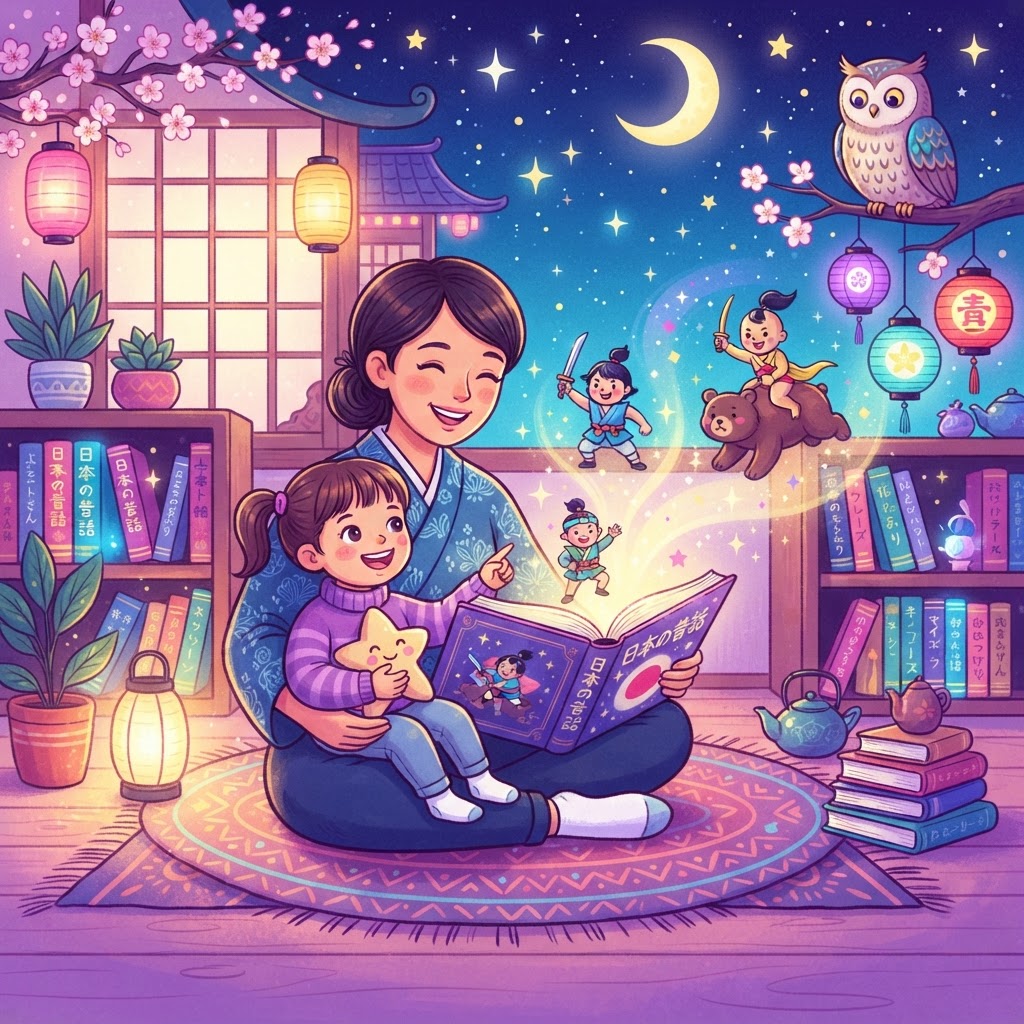
Stories from Japan give children a gentle way to travel through story. From snowy forests and mountain villages to lantern-lit streets and summer festivals, Japanese-inspired tales often mix wonder, kindness, nature, and quiet bravery.
For families, these stories are more than entertaining. They also help children build vocabulary, empathy, and cultural curiosity through shared reading. If your child enjoys world folklore, you might also like these tale collections from Egypt and the Arctic.
What makes stories from Japan so special for children?
Japan children stories often feel calm, magical, and meaningful all at once. They invite children to notice small details, respect nature, and see courage in ordinary people.
Many traditional tales from Japan, sometimes called mukashibanashi or “long ago stories,” feature animals, spirits, clever children, and changing seasons. You will also find storytelling forms like kamishibai, a picture-card performance style that makes stories visual and memorable.
This style works especially well for young children. Repetition, strong imagery, and clear emotional lessons support language growth and connection. The Harvard Center on the Developing Child explains that back-and-forth interaction, like talking during story time, helps build strong early brain architecture.
In short, Japan tales for kids are rich in beauty, but simple enough to enjoy at bedtime.
How does Japan storytelling reflect culture, nature, and daily life?
Japan storytelling is deeply shaped by the country’s landscapes, seasons, and traditions. Mountains, forests, rivers, coastal villages, and festivals all appear again and again in both classic and modern tales.
Japan is an island nation with dramatic geography. That means children’s stories set there often include:
- Cherry blossoms in spring
- Rice fields and bamboo groves
- Fishing towns and sea journeys
- Snowy northern winters
- Volcanoes and sacred mountains like Mount Fuji
Japanese culture also places strong value on care, effort, gratitude, and harmony with others. Those themes naturally show up in stories. A child hero may succeed not by being the strongest, but by being patient, polite, observant, or kind.
For a helpful overview of Japanese culture and traditions, Asia Society offers educator-friendly resources. That cultural grounding matters, because the best stories from Japan do not rely on stereotypes. Instead, they show real textures of life: seasonal foods, local festivals, handmade objects, family customs, and respect for place.
Which Japan tales for kids can inspire your next bedtime story?
The best Japan-inspired bedtime stories blend real cultural details with gentle imagination. Below are five original story ideas you can use for home reading, classroom writing, or personalized storytelling.
The Fox Lantern of Kyoto
A shy child gets lost during an evening lantern festival in Kyoto and meets a glowing fox who only appears to children who tell the truth. Together, they follow paper lantern clues past wooden bridges and temple gardens to find the way home.
Cultural context: Foxes, or kitsune, appear in Japanese folklore as clever, magical beings. Kyoto is also known for historic streets, shrines, and seasonal festivals, which makes it a wonderful setting for soft, mysterious adventure.
The Pearl Diver and the Sea Turtle
On a quiet southern coast, a brave young diver helps a tangled sea turtle return to the ocean. In return, the turtle leads the child to an underwater garden where shells sing songs from long ago.
Cultural context: This story can be inspired by the tradition of ama, Japanese women free-divers known for collecting pearls and shellfish. A coastal setting also opens the door to learning about island life, tides, and the importance of caring for marine habitats.
The Snow Cranes of Hokkaido
A child in snowy Hokkaido feels lonely during the long winter. One dawn, a pair of red-crowned cranes begins visiting the frozen field outside the house, and each visit teaches the child a new way to notice beauty in cold weather.
Cultural context: Hokkaido is famous for deep snow, hot springs, and wildlife. Red-crowned cranes are an important symbol of grace and good fortune in Japan, so they make a lovely anchor for reflective winter stories.
The Bamboo Train to Mount Fuji
A curious child finds a tiny train hidden in a bamboo grove. The train grows to full size at moonrise and carries young passengers past tea fields, villages, and lakes until they reach Mount Fuji just before sunrise.
Cultural context: Bamboo is common in Japanese art and folk imagery, while Mount Fuji is one of Japan’s most recognized natural landmarks. This story idea lets children explore geography while keeping the tone dreamy and safe.
The Tanabata Wish Bridge
During the summer Tanabata festival, a child writes a wish on colorful paper and hangs it on a bamboo branch. That night, the stars open a shining bridge across the sky, and the child must complete three acts of kindness before sunrise to make the wish come true.
Cultural context: Tanabata is based on a well-loved star legend about two celestial lovers who meet once a year. It is perfect for bedtime storytelling because it connects wishes, stars, summer decorations, and caring actions.
How can parents and teachers use Japan storytelling to support learning?
Japan storytelling can build literacy, cultural understanding, and emotional skills in one simple routine. A short read-aloud followed by a few questions is often enough to make the story stick.
The American Academy of Pediatrics encourages shared reading from the earliest years because it supports language, attention, and parent-child bonding. Their guidance on reading with young children aligns with what many teachers see every day: children learn best when stories feel warm and interactive.
Try asking:
- “What season do you picture in this story?”
- “Which place in Japan would you like to visit?”
- “How did the character solve the problem?”
- “What did the story teach about kindness or courage?”
In classrooms, these tales also connect well to geography, art, and writing lessons. Teachers can pair a story with map work, festival crafts, animal research, or simple compare-and-contrast activities with stories from Japan and tales from other regions. For school use, InstaTales for teachers can help organize story-based literacy activities.
How can you create personalized stories set in Japan with InstaTales?
You can turn these ideas into custom bedtime stories by adding your child’s name, age, interests, and comfort level. Personalized storytelling helps children feel seen, and that often increases attention and joy during read-aloud time.
With InstaTales, you can create your own personalized bedtime story set in Kyoto, Hokkaido, Okinawa, or anywhere else in Japan. A child who loves trains might star in a Mount Fuji adventure, while a child who loves animals might prefer cranes, foxes, or sea turtles.
A good prompt includes:
- A setting: “a snowy village in Hokkaido”
- A main character: “Maya, age 6, who loves drawing”
- A tone: “gentle, cozy, and not scary”
- A theme: “kindness, honesty, or courage”
For example, you could try:
- “Write a calm bedtime story set in Kyoto during lantern season for a 4-year-old who loves foxes.”
- “Create a Japan bedtime story about a child riding a magical bamboo train to Mount Fuji.”
- “Tell a personalized Okinawa story with sea turtles, warm ocean waves, and a happy ending.”
To keep stories respectful, use real places, specific traditions, and everyday details instead of vague “mystical Japan” language. After you make a favorite, save it in your story library for easy rereading later.
Frequently Asked Questions
What age are Japan children stories best for?
Japan-inspired stories can work well for ages 1-10 when the language and length match the child. Younger children often enjoy simple animal tales, while older children can follow richer plots tied to festivals, travel, and folklore.
Are Japanese folktales too scary for bedtime?
Some traditional folktales can feel intense, but many can be softened for bedtime. Choose gentle themes, happy endings, and cozy settings if your child is sensitive.
How can I make a Japan bedtime story culturally respectful?
Use specific places, traditions, foods, and seasons rather than broad stereotypes. It also helps to frame folklore as “inspired by Japanese tradition” unless you are retelling a known tale accurately.
What themes do children enjoy most in stories from Japan?
Children often respond well to animal helpers, magical journeys, seasonal beauty, and small acts of bravery. Stories with festivals, lanterns, snow, stars, and trains are especially engaging.
Can teachers use personalized Japan tales in class?
Yes. Personalized stories are great for reading comprehension, geography units, creative writing, and cultural study. They can also help reluctant readers engage because the character or setting feels more relevant to them.
Ready to Create a Personalized Bedtime Story?
Use our free AI bedtime story generator to create a personalized illustrated story for your child in 30 seconds — no credit card needed.
Popular story types:
Maya Rodriguez
Lead Content Editor & Early Literacy Specialist
Maya is a former early childhood educator and literacy specialist with over a decade of experience helping children develop a love of reading. She leads content at InstaTales, where she writes about the science of storytelling, child development, and how families can use personalized AI stories to build literacy and emotional resilience.
instatales.ai