First Grade Art Stories That Inspire Creativity
Make art engaging for first grade students with stories. Practical strategies, story ideas, and classroom activities for teachers.
✦ Key Takeaways
- •Stories help first graders learn art because narratives make abstract ideas easier to understand.
- •A strong story for first grade art is simple, visual, and open-ended.
- •The best story-based art activities for first grade are simple, process-focused, and tied to one clear art skill.
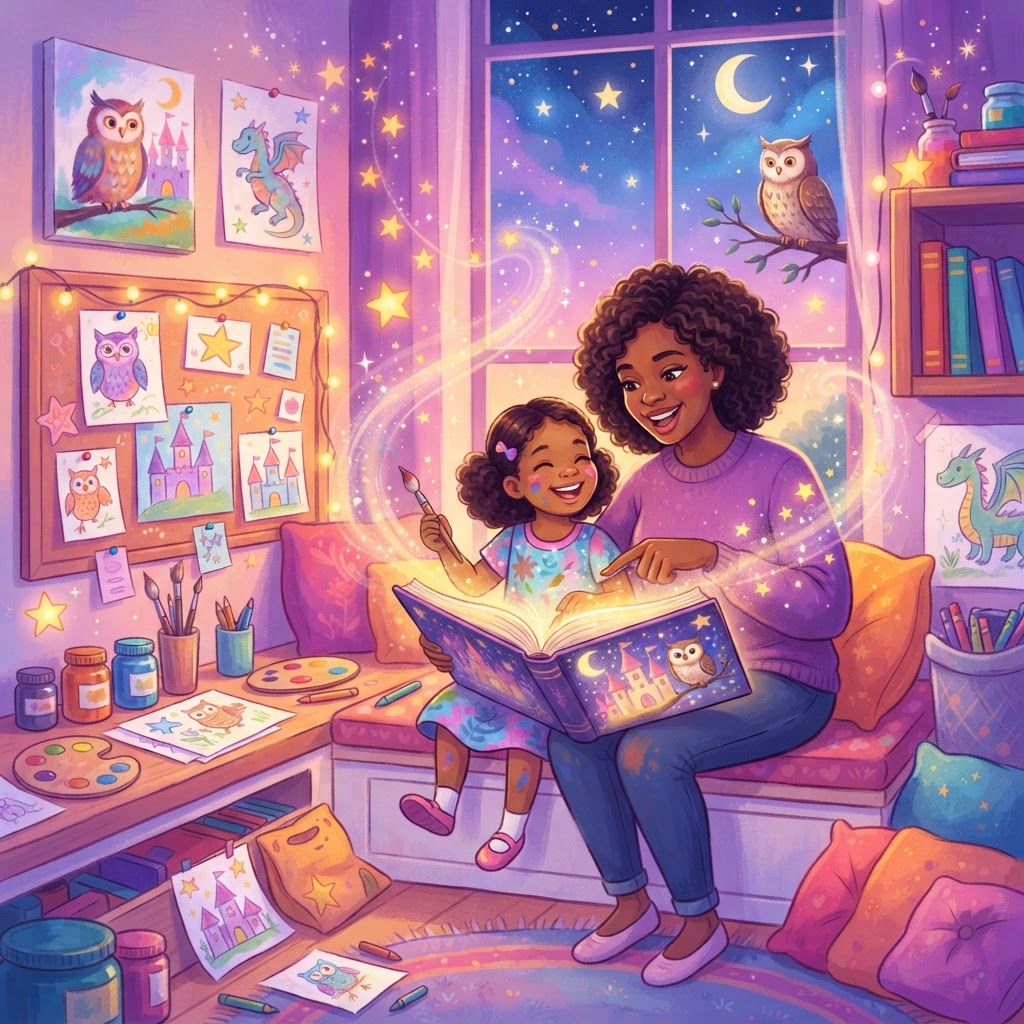
Stories can turn a first grade art lesson from “make a picture” into “make meaning.” When teachers use first grade art stories to frame drawing, painting, collage, and sculpture, children have a clear purpose, stronger vocabulary, and more motivation to create.
This matters because six- and seven-year-olds learn best when ideas feel concrete, emotional, and memorable. A simple narrative gives young learners something to picture, talk about, and respond to with art. In practice, teaching art with stories helps first graders build observation skills, express feelings, and connect art to literacy, science, and social studies. If you teach multiple subjects, you may also like these guides to first grade reading through stories, story-based science lessons, and using stories in first grade writing.
Why do stories help first graders learn art?
Stories help first graders learn art because narratives make abstract ideas easier to understand. A story gives children characters, settings, colors, and problems to respond to, which supports both creativity and comprehension.
Research supports this approach. The National Association for the Education of Young Children notes that young children learn through active, meaningful experiences and benefit when subjects are integrated rather than isolated. Harvard’s Center on the Developing Child also emphasizes that strong learning grows from relationships, language, and engaging back-and-forth experiences. In art, stories naturally create those conditions.
For first graders, narrative supports art learning in several ways:
- Focus: A story gives children a clear starting point.
- Vocabulary: Students hear and use words like line, shape, texture, foreground, and pattern in context.
- Emotion: Characters and events help children make expressive choices.
- Memory: Children often remember techniques better when tied to a story.
- Inclusion: Stories invite discussion, movement, and imagination before art-making begins.
This is why art stories for first grade work so well. Instead of asking, “What should I draw?” students are answering a richer question: “How can I show this part of the story with art?”
What makes a strong story for first grade art lessons?
A strong story for first grade art is simple, visual, and open-ended. The best choices leave room for children to interpret, invent, and make artistic decisions instead of copying one model.
When selecting or creating stories, look for these features:
- Clear imagery: Forests, skies, animals, weather, neighborhoods, and celebrations give students something vivid to picture.
- Strong emotions or actions: A character searching, building, dancing, or exploring inspires movement and expression.
- Repeated details: Repetition helps first graders remember key colors, shapes, or patterns.
- Open outcomes: Stories should invite multiple artistic responses.
- Connections to art concepts: Choose stories that naturally link to line, color, texture, shape, or composition.
Picture books are one option, but teachers can also use short teacher-written narratives. This is where it helps to create your own personalized bedtime story and adapt it into a classroom-friendly art prompt. With the right framing, even a two-minute story can launch rich first grade art activities.
Which story-based art activities work best in first grade?
The best story-based art activities for first grade are simple, process-focused, and tied to one clear art skill. Start with a short narrative, discuss visual details, and then invite students to create their own interpretation.
1. How can a setting story teach color and mood?
Use a story about a place—such as a moonlit park, a sunny beach, or a stormy forest—to teach color choices. After reading, ask students how the setting feels and what colors match that feeling.
Students can create a painting or chalk drawing using warm or cool colors. This works especially well for introducing:
- mood
- color families
- background details
- sky and landscape composition
2. How can a character story teach lines and shapes?
Choose a story with a memorable character, such as a dragon with zigzag spikes or a bird with round feathers. Invite students to identify the lines and shapes they “see” in the character before drawing.
Then ask children to invent their own version of the character using:
- curved, straight, or zigzag lines
- circles, triangles, rectangles, and ovals
- simple pattern details
This is an effective way of teaching art with stories because students practice core drawing skills while still making original choices.
3. How can a journey story teach sequencing in art?
A travel or adventure story is ideal for a three-part art sequence. For example, students can show the beginning, middle, and end of a character’s journey in separate boxes or folded paper panels.
This activity supports:
- sequencing
- visual storytelling
- planning
- noticing change over time
It also builds cross-curricular skills. If you enjoy integrated lessons, you can explore similar ideas on the InstaTales blog.
4. How can a nature story teach texture and collage?
A story about a garden, nest, pond, or forest gives students rich material for collage. Read the story aloud, then list textures children hear in the description: rough bark, soft moss, bumpy seeds, smooth water.
Students can create a textured collage using torn paper, fabric, or recycled materials. The Smithsonian and many museum education programs support object-based and sensory-rich art learning because it deepens observation and meaning-making. For more on arts integration, the Kennedy Center’s education resources are also helpful.
5. How can a celebration story teach pattern and community art?
A story about a parade, birthday, cultural festival, or classroom celebration works well for collaborative art. After discussing the story, students can design flags, banners, patterned clothing, or a group mural.
This activity teaches:
- pattern
- repetition
- teamwork
- cultural awareness
- shared visual space
It can also connect nicely with story-based social studies lessons, especially when students learn how art reflects community traditions.
How can teachers differentiate first grade art stories for diverse learners?
Teachers can differentiate art stories for first grade by adjusting language, materials, and response options. The goal is to keep the creative challenge high while lowering unnecessary barriers.
Try these supports:
- For multilingual learners: Pre-teach visual vocabulary with picture cards and gestures. Let students respond with pointing, drawing, or partner talk before whole-class sharing.
- For emerging writers or speakers: Offer sentence stems such as “My character is feeling…” or “I used these colors because…”
- For students with fine motor needs: Use larger paper, thicker tools, adaptive scissors, or collage instead of detailed drawing.
- For advanced learners: Invite added background details, pattern work, or a second scene from the story.
- For students who need structure: Provide a choice board with 2-3 formats, such as paint the setting, draw the character, or make a collage of the problem.
The U.S. Department of Education’s Office of Educational Technology has long emphasized the value of flexible tools and multiple means of expression. In art, that means students do not all need to produce the same picture to meet the same learning goal.
How can teachers use InstaTales for first grade art lessons?
InstaTales can support first grade art by helping teachers generate short, age-appropriate stories tailored to a specific art concept. Instead of searching for the perfect mentor text, you can create a story that matches your lesson on color, pattern, texture, or community.
Here are practical ways to use it:
- Create a custom story about a character exploring a color world, shape city, or texture garden.
- Use story templates to quickly build prompts for different art units.
- Save successful lesson stories in your story library for reuse, centers, or sub plans.
- Explore InstaTales for teachers for classroom-friendly uses, assignments, and organized learning workflows.
A strong routine might look like this:
- Generate a short story tied to one art skill.
- Read it aloud and pause for prediction and observation.
- Highlight 3-5 art words.
- Model one technique briefly.
- Let students create their own visual response.
- End with a gallery walk and artist share.
This approach keeps the story as a launch point, not a script. Students still make choices, which is essential in high-quality first grade art activities.
How can teachers assess learning in story-based first grade art?
Teachers can assess story-based art through observation, discussion, and simple reflection. In first grade, assessment should focus on process, understanding, and communication as much as the finished product.
Look for evidence that students can:
- connect their art to a story idea
- use the target concept, such as color, shape, or texture
- explain at least one artistic choice
- participate in discussion and revision
Quick assessment tools include:
- exit prompts like “I used lines to show…”
- checklist rubrics with 3-4 goals
- partner share routines
- teacher notes during work time
This kind of formative assessment aligns with developmentally appropriate practice. Young children often reveal more understanding through conversation and art-making than through written answers alone.
Frequently Asked Questions
What are the best first grade art stories?
The best first grade art stories are short, visual, and open-ended. Stories with strong settings, memorable characters, and clear emotions work especially well because they give children something concrete to turn into art.
How long should a story-based art lesson be in first grade?
A story-based first grade art lesson can work well in 30 to 45 minutes. Keep the story short, limit the art focus to one main concept, and save a few minutes for sharing.
Can I use teacher-created stories instead of published books?
Yes. Teacher-created stories are often ideal because you can match them directly to your art goal, student interests, and vocabulary level.
How do stories support first grade art activities?
Stories support first grade art activities by giving students a meaningful prompt. They improve focus, spark imagination, and help children explain the choices they make in their artwork.
Is InstaTales useful for classroom art planning?
Yes. InstaTales can help teachers create custom story prompts, organize lessons, and build reusable resources for different art units. It is especially useful when you want a quick, tailored narrative for a specific skill or theme.
Should all students make the same artwork after a story?
No. The story should provide a shared experience, but students should still have room to interpret and create differently. That balance supports both skill-building and authentic creativity.
Get a new bedtime story every week
Free, personalized, and delivered to your inbox. No spam, ever.
Ready to Create a Personalized Bedtime Story?
Use our free AI bedtime story generator to create a personalized illustrated story for your child in 30 seconds — no credit card needed.
Popular story types:
Maya Rodriguez
Lead Content Editor & Early Literacy Specialist
Maya is a former early childhood educator and literacy specialist with over a decade of experience helping children develop a love of reading. She leads content at InstaTales, where she writes about the science of storytelling, child development, and how families can use personalized AI stories to build literacy and emotional resilience.
instatales.ai