Second Grade Music Stories That Make Lessons Stick
Make music engaging for second grade students with stories. Practical strategies, story ideas, and classroom activities for teachers.
✦ Key Takeaways
- •Stories help second graders learn music because narrative gives abstract musical ideas a concrete meaning.
- •A strong music story for second grade is simple, vivid, and built around one or two clear musical goals.
- •The best second grade music activities use stories to make children sing, move, listen, create, and perform.
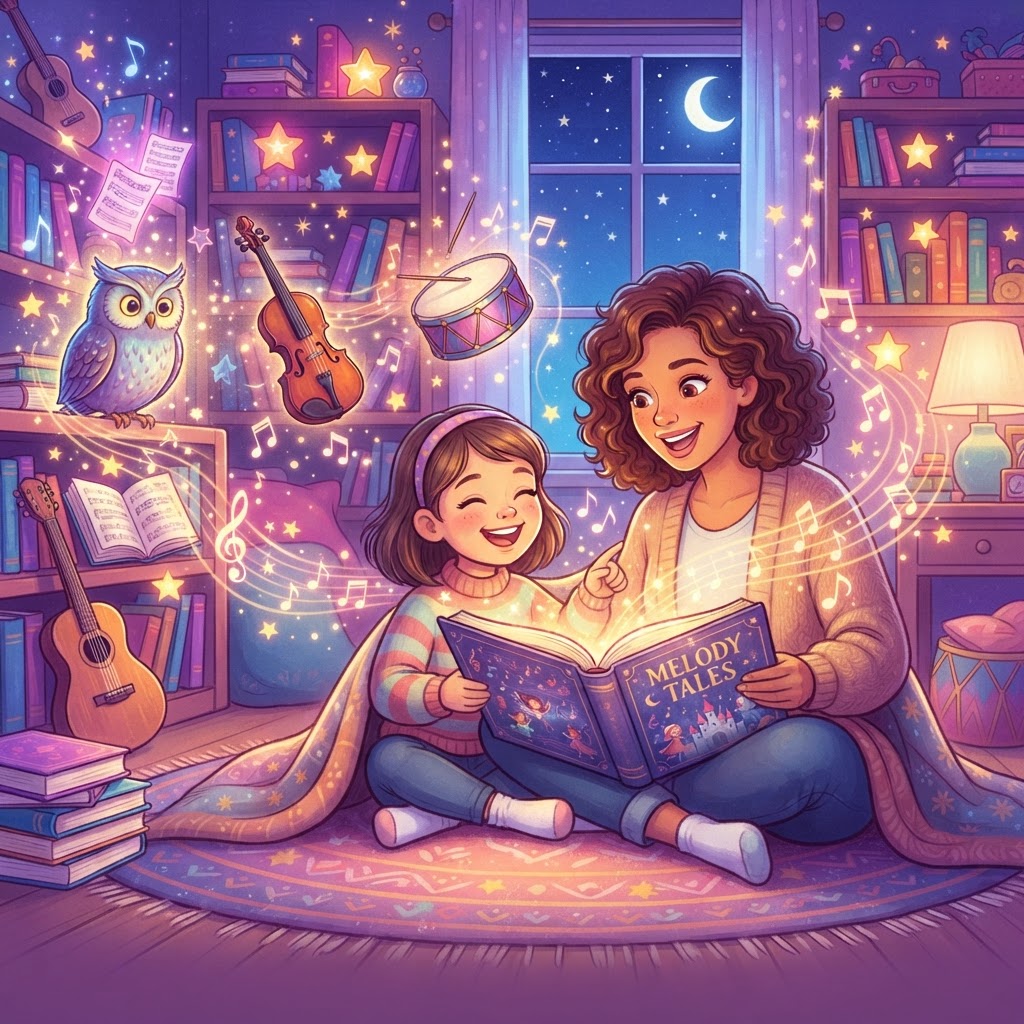
Stories can turn a second grade music lesson from “sit and listen” into “move, sing, imagine, and remember.” When teachers use second grade music stories, students connect rhythm, melody, tempo, and expression to characters and events they care about.
That matters in second grade. At ages 7-8, children are building attention, language, sequencing, and symbolic thinking all at once. A simple narrative gives music concepts a clear structure: first this happened, then the drum got faster, then the bird sang higher. If you are looking for practical ways of teaching music with stories, this guide shares the research, five classroom-ready ideas, differentiation tips, and ways to use InstaTales for teachers to plan stronger lessons.
Why do stories help second graders learn music?
Stories help second graders learn music because narrative gives abstract musical ideas a concrete meaning. Instead of teaching “crescendo” as a vocabulary word alone, you can teach it as “the storm getting louder as the hero runs home.”
This works because children remember information better when it is emotionally engaging and organized into a sequence. Jerome Bruner’s work on narrative thinking helped show that humans make sense of the world through stories, and cognitive research such as Paivio’s dual coding theory suggests learning improves when words are paired with sensory experiences like sound, movement, and imagery.
In music class, stories support:
- Attention: children want to know what happens next
- Memory: musical terms are tied to characters and events
- Expression: students understand why music changes
- Participation: even hesitant learners can join a story world
- Cross-curricular learning: music easily connects to literacy and speaking skills
Organizations such as the Harvard Center on the Developing Child emphasize that engaged, responsive learning experiences support stronger brain development. In a second grade classroom, that means music sticks better when it feels meaningful, playful, and social.
What makes a strong music story for second grade?
A strong music story for second grade is simple, vivid, and built around one or two clear musical goals. The best music stories for second grade do not overload students with plot; they give children just enough narrative to explore sound.
Look for or create stories with these features:
- A clear musical focus: steady beat, dynamics, tempo, pitch, form, or timbre
- Repetition: recurring lines or sound cues students can echo
- Movement opportunities: walking, clapping, swaying, or freeze moments
- Contrasts: loud/soft, fast/slow, high/low are easy to dramatize
- Characters with musical identities: a mouse on a high glockenspiel, a bear on a low drum
For example, a story about animals crossing a bridge can teach tempo and dynamics. Tiny animals tiptoe softly. Big animals stomp slowly. The bridge shakes louder and louder. Students do not just hear the contrast; they act it out.
If you teach across grade levels, it can also help to compare the complexity of your lessons with first grade music ideas that teach through play. Second graders are ready for slightly longer plots, more precise vocabulary, and basic reflection after the activity.
Which second grade music activities work best with stories?
The best second grade music activities use stories to make children sing, move, listen, create, and perform. Below are five teacher-friendly options that work in general music, centers, small groups, or integrated classroom lessons.
1. Soundtrack the story
Read a short story aloud and assign instruments or body percussion to key characters and events. For example, a shaker can be rain, a hand drum can be thunder, and a triangle can be a magic door opening.
This activity teaches listening, timbre, and cue-following. Keep the script short at first, then let students help decide which sounds match each scene.
2. Walk the beat through the plot
Choose a story with a clear journey, such as a child walking through a forest or traveling to the moon. Students step the steady beat around the room while the story unfolds.
Change the movement when the plot changes:
- walk the beat for calm scenes
- tiptoe for quiet scenes
- pat knees for waiting scenes
- freeze when the character stops
This is one of the simplest ways of teaching music with stories because it turns beat into something physical and memorable.
3. Use character voices to explore pitch
Give each character a vocal pattern. A bird might sing high, a sleepy bear might hum low, and a robot might speak on one repeated pitch.
Students echo each character’s sound, then sort them:
- Which voice was highest?
- Which was lowest?
- Which stayed the same?
This supports pitch discrimination and vocal play without making singing feel high pressure. It also works well alongside story-based literacy routines, especially if you already use story-making tools to create your own personalized bedtime story for classroom themes.
4. Build a dynamics map
Read a story and pause at key moments for students to decide whether the music should be piano, mezzo forte, or forte. Draw a simple line or picture chart showing where the sound grows or softens.
This helps second graders understand dynamics as part of meaning, not just volume control. A lost kitten may sound soft and cautious. A parade may sound bold and bright.
For a quick extension, let groups perform the same story in different ways and ask the class which musical choices matched the plot best.
5. Compose an ending sound scene
After hearing a story, small groups create a 20-30 second musical ending using classroom instruments, found sounds, or body percussion. They might make the sunrise, the celebration, or the quiet bedtime ending.
This activity brings together:
- sequencing
- cooperation
- expressive choices
- beginning composition skills
To scaffold, offer story templates with a simple beginning-middle-end structure. You can also save successful prompts and class-created versions in your story library for reuse later in the year.
The National Association for Music Education supports active, standards-aligned music learning that includes creating, performing, responding, and connecting. Story-based lessons naturally touch all four.
How can teachers differentiate music stories for second grade?
Teachers can differentiate music stories for second grade by adjusting language, response mode, and complexity while keeping the same core story. In practice, that means every child can join the lesson, even if they do not all respond in the same way.
Here are useful differentiation strategies:
- For emerging readers or multilingual learners: use pictures, repeated phrases, and gestures
- For students with sensory needs: offer quieter instruments, visual cue cards, or a listening role
- For students who need movement: build in stand-up responses every 30-60 seconds
- For advanced learners: ask them to create a new sound pattern or conduct the class
- For shy students: let them participate with a partner or choose body percussion instead of solo singing
Universal Design for Learning principles from CAST support offering multiple ways for students to engage and show what they know. In second grade music, that may mean one child claps the beat, another draws the dynamics, and another plays the ending on a xylophone. All three can demonstrate understanding.
How can InstaTales support second grade music lessons?
InstaTales can support second grade music lessons by helping teachers generate short, customizable stories that match specific music goals. Instead of searching for the perfect text, you can build one around your class theme, vocabulary, instruments, and student interests.
For example, you might create a story about:
- jungle animals to teach timbre
- space explorers to teach tempo changes
- weather patterns to teach dynamics
- friendly monsters to teach high and low pitch
That flexibility is especially useful for classroom integration. If your students are also working on sequencing or comprehension, story-based music can reinforce those same skills. You can even connect this approach with story-rich subjects featured on the InstaTales blog’s second grade resources.
A simple workflow looks like this:
- Choose one music target, such as steady beat
- Generate a short story with clear action points
- Add 3-4 sound or movement cues
- Teach the story orally first
- Repeat it over several lessons with new student-led ideas
This approach saves planning time while keeping lessons fresh. It also helps teachers create more inclusive content, since stories can be adapted for interests, reading level, seasonal units, or classroom behavior goals. Research summaries from the Arts Education Partnership also note that arts integration can deepen engagement when the art form is used purposefully, not as an extra.
Frequently Asked Questions
What are the best second grade music stories to start with?
Start with short stories that feature strong contrasts, repeated phrases, and clear action. Animal adventures, weather stories, and journey tales work especially well because they naturally invite changes in beat, tempo, and dynamics.
How long should a story-based music lesson be in second grade?
A focused story-based lesson can be effective in 15-25 minutes. Young learners do best when the story, movement, and music responses alternate often rather than staying in one mode too long.
Can story-based music lessons still meet standards?
Yes. These lessons can address performing, creating, responding, and connecting when students sing, move, play, discuss, and compose around the story. The key is to begin with a clear musical objective, not just a fun theme.
How do I assess learning during second grade music activities?
Use quick checks that fit the lesson: echo patterns, movement responses, partner talk, exit drawings, or short performances. Assessment works best when it feels like part of the story experience rather than a separate test.
Is InstaTales useful for classroom teachers, not just music specialists?
Yes. Classroom teachers can use it to support integrated lessons where literacy and music reinforce each other. It is especially helpful when you want a custom story tied to a unit, vocabulary set, or student interest.
What if my students get too excited during music stories?
Build routines into the lesson from the start. Use clear start-stop signals, assign instrument roles before reading, and alternate high-energy moments with listening or drawing tasks so the story stays joyful and manageable.
Ready to Create a Personalized Bedtime Story?
Use our free AI bedtime story generator to create a personalized illustrated story for your child in 30 seconds — no credit card needed.
Popular story types:
Maya Rodriguez
Lead Content Editor & Early Literacy Specialist
Maya is a former early childhood educator and literacy specialist with over a decade of experience helping children develop a love of reading. She leads content at InstaTales, where she writes about the science of storytelling, child development, and how families can use personalized AI stories to build literacy and emotional resilience.
instatales.ai