Bedtime Story Bonding With Your Child
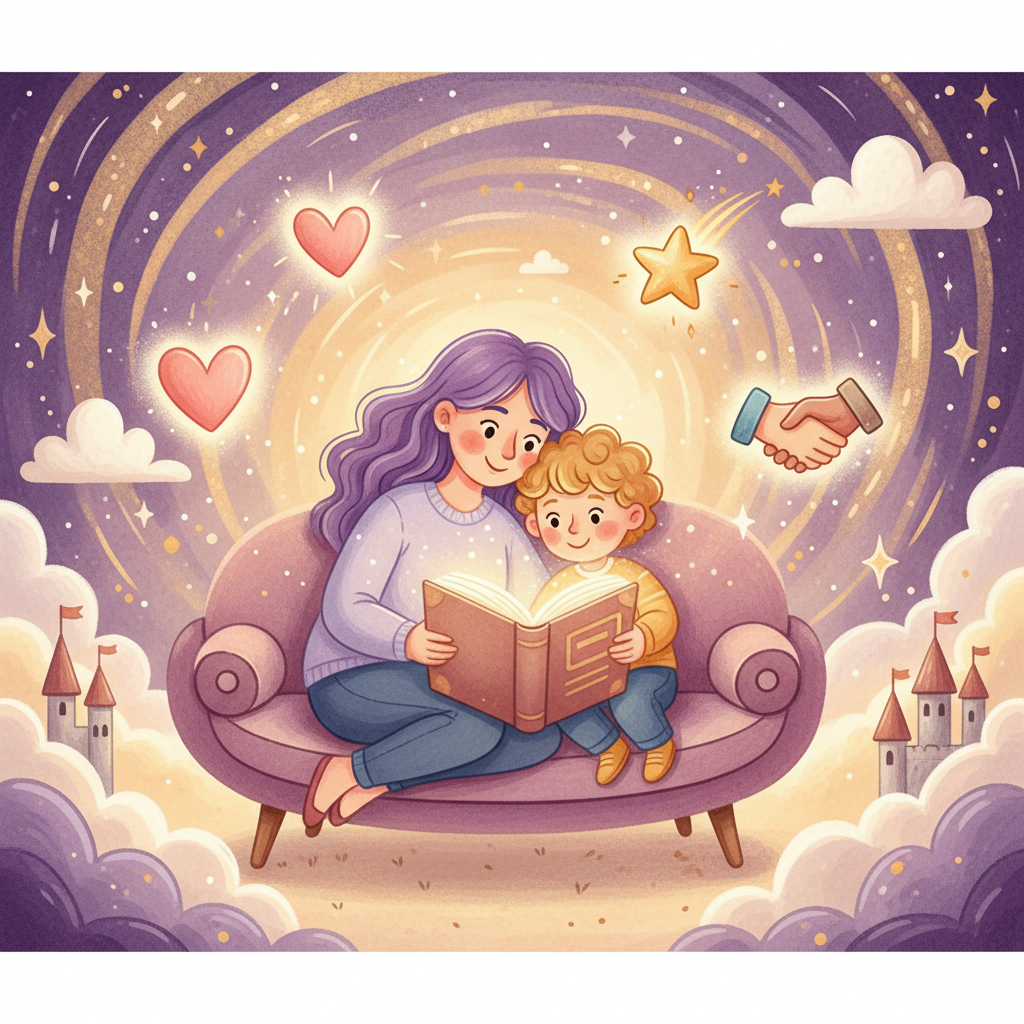
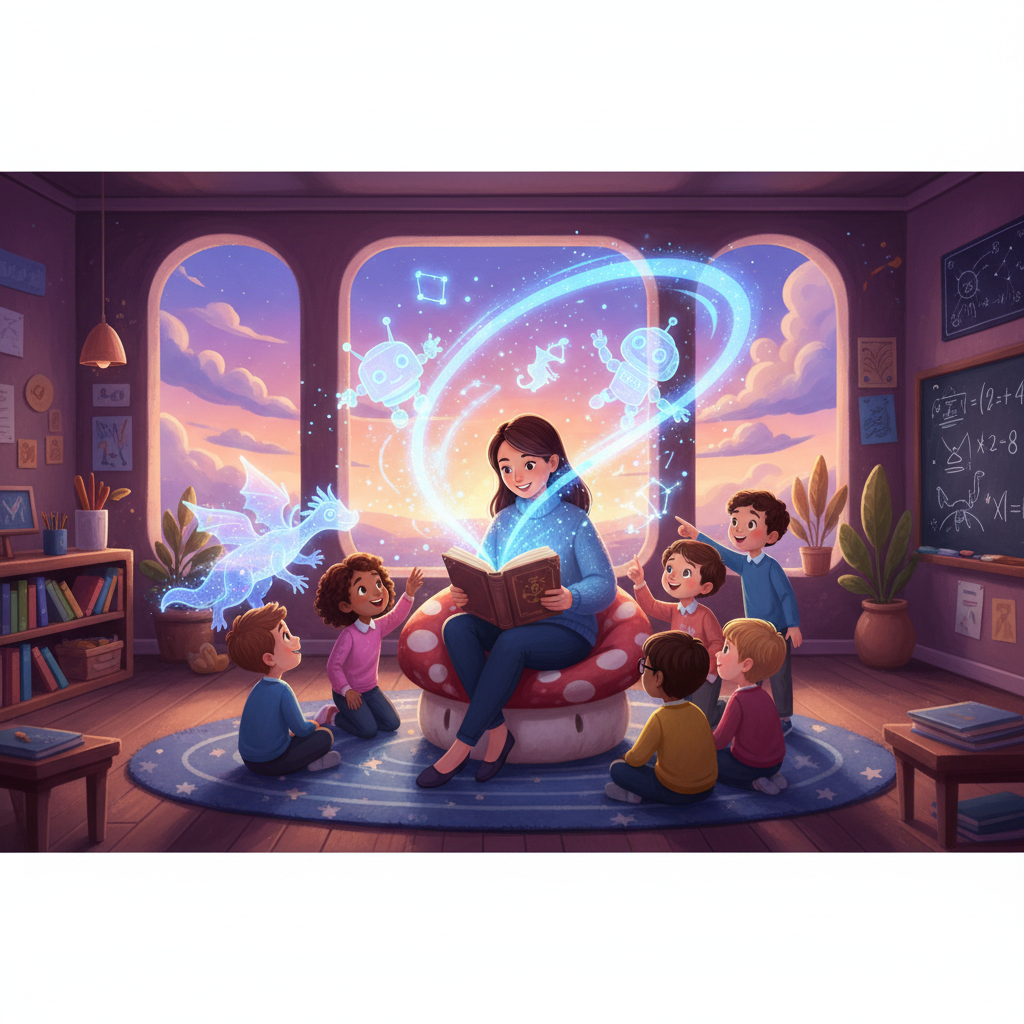
Bedtime stories are about more than reading — they're about connection. Here's how to use story time to strengthen your bond with your child.
✦ Key Takeaways
- •Bedtime story bonding matters because it combines attention, comfort, language, and emotional connection in one simple routine.
- •Shared reading supports attachment because children feel secure when caregivers are warm, responsive, and predictable.
- •You can turn parent-child story time into a connection ritual by making it predictable, calm, and child-centered.
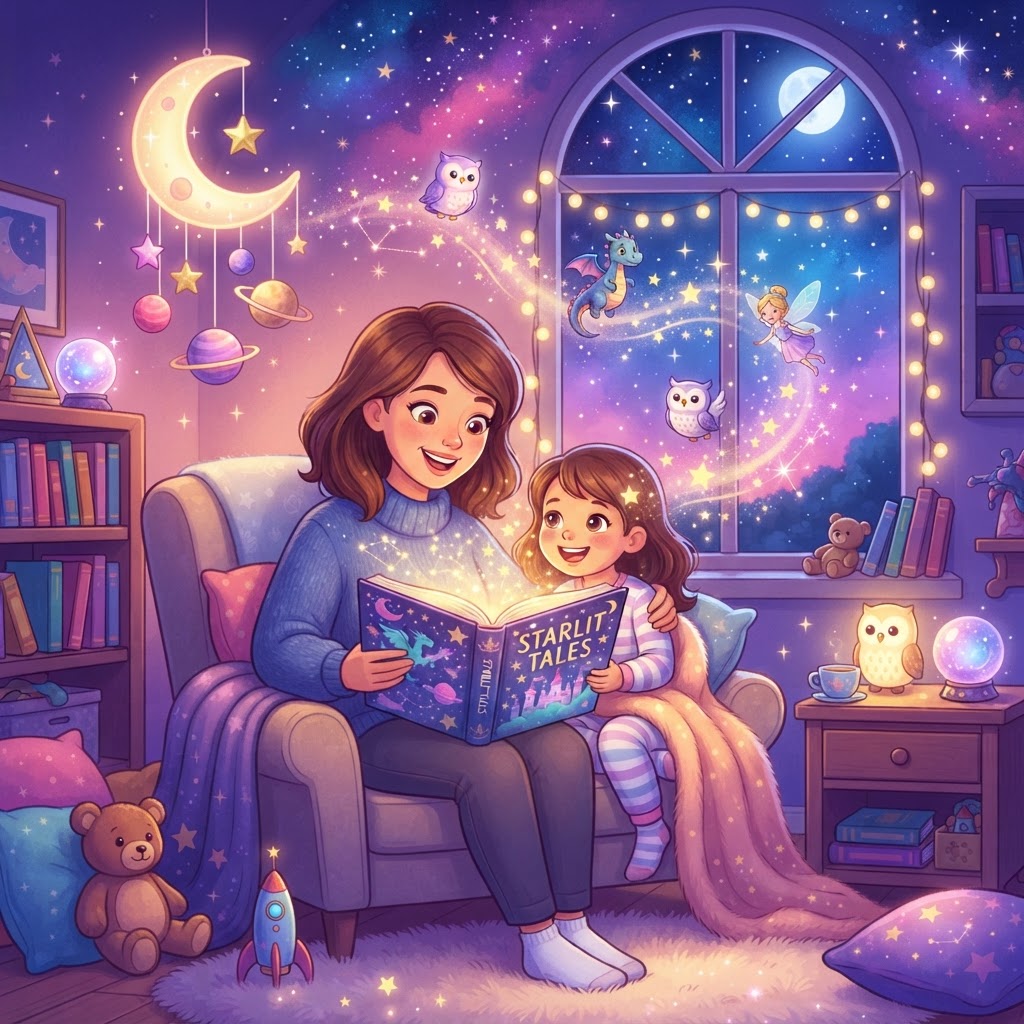
Bedtime stories do much more than build vocabulary or help children wind down. They create a small, steady moment of closeness at the end of the day — a time when your child has your voice, your attention, and your calm presence. That is why bonding through stories can become one of the most meaningful parts of family life.
For babies, toddlers, and older children alike, parent-child story time offers something children deeply need: connection. When you read together regularly, you are not just sharing a book. You are building trust, emotional safety, and warm memories that can last for years.
Why does bedtime story bonding matter so much?
Bedtime story bonding matters because it combines attention, comfort, language, and emotional connection in one simple routine. Even a short shared reading session can help a child feel safe, seen, and close to you before sleep.
Children remember how story time feels. A calm lap, a familiar voice, and a predictable routine all send the message, “You are with me, and you are safe.” That feeling is especially powerful at bedtime, when some children are tired, clingy, or processing the day.
The American Academy of Pediatrics encourages reading aloud from infancy because it supports both development and relationships. Shared reading gives children rich language input, but it also strengthens the emotional back-and-forth that helps families connect. In other words, bedtime story bonding supports both the heart and the brain.
For many families, this ritual becomes a touchstone. No matter how busy the day has been, story time creates one protected pocket of togetherness.
How does shared reading support attachment and emotional security?
Shared reading supports attachment because children feel secure when caregivers are warm, responsive, and predictable. Bedtime stories naturally create those conditions.
Attachment research from John Bowlby and Mary Ainsworth showed that children thrive when caregivers respond consistently and sensitively. During story time, you do exactly that. You notice your child’s mood, answer questions, laugh together, and adjust your pace to their needs.
This kind of interaction reflects what the Harvard Center on the Developing Child calls “serve and return”: your child signals, and you respond. A point to a picture, a worried look at a scary page, or a request to hear the same line again are all chances for connection.
Research-based early childhood organizations also highlight reading as a relationship-builder. ZERO TO THREE notes that reading together supports language, attention, and closeness between young children and caregivers.
This is why bonding through stories is so effective. You are not forcing a conversation or planning a big teaching moment. You are simply being present, and that presence helps your child feel emotionally anchored.
How can you turn parent-child story time into a connection ritual?
You can turn parent-child story time into a connection ritual by making it predictable, calm, and child-centered. The goal is not to perform perfectly. The goal is to create a repeatable moment your child can count on.
A connection ritual works best when it is simple. Try linking story time to the same bedtime steps each night, such as bath, pajamas, story, cuddle, sleep. That sequence helps children settle because they know what comes next.
A few practical ways to make it feel more connecting:
- Let your child choose the book sometimes
- Sit close so there is physical warmth and comfort
- Read slowly enough for your child to react
- Pause for comments, giggles, or questions
- End with a familiar phrase, hug, or goodnight routine
You do not need a long reading session for it to matter. Ten focused minutes can be more powerful than thirty distracted ones.
If your child enjoys movement, voices, or participation, it helps to make story time more interactive. Interaction keeps attention high and turns reading into a shared experience rather than a one-way performance.
The key idea is consistency. A predictable story ritual tells your child, night after night, “This is our time.”
How can stories start meaningful conversations?
Stories are excellent conversation starters because they let children talk about feelings and experiences at a safe distance. A child may not say, “I felt left out today,” but they might happily talk about a bear in the story who felt lonely.
This is one reason bedtime stories are so valuable for relationship-building. They give parents a gentle path into big topics without pressure. You can ask simple questions like:
- “How do you think she felt there?”
- “What would you have done?”
- “Did anything like that happen to you today?”
- “Why do you think he was scared?”
These questions help children build emotional language. They also help you learn what your child is thinking about, worrying about, or wondering about.
For older children, stories can open the door to deeper conversations about friendship, courage, kindness, grief, or change. For younger children, even naming basic emotions in the pictures can strengthen emotional understanding.
If you want extra support, stories can also help you discuss difficult topics through stories in a way that feels gentle and age-appropriate.
When parents listen without rushing to correct or “teach,” children are more likely to share honestly. That is where real parent-child story time becomes relationship time.
How can personalized stories deepen bonding through stories?
Personalized stories deepen bonding because they make your child feel recognized, important, and included. When a child hears their name, favorite things, or real-life experiences reflected in a story, the connection often becomes even stronger.
Personalization does not have to be complicated. You can change a character’s name to your child’s name, add a beloved pet, or set the story in a familiar place like Grandma’s house or the park near home. These small details help children feel that the story belongs to them.
Personalized bedtime stories can also support emotional connection in practical ways. For example, you can create stories that:
- Revisit a happy family memory
- Prepare for a new experience, like starting school
- Reflect your child’s current interests
- Reinforce family values, such as kindness or perseverance
- Offer comfort around fears or bedtime anxiety
Many families enjoy using tools to create your own personalized bedtime story and then save favorites in your story library for easy re-reading. Repetition is often part of the magic. Children love hearing “their” story again and again, and that repetition can make the bonding ritual even stronger.
Personalized stories also support children who need extra reassurance at night. If your child struggles to settle, these calming bedtime story ideas can help you shape stories around comfort and safety.
What if your child is tired, restless, or not interested every night?
If your child is tired or restless, keep story time flexible and focus on connection over completion. You do not have to finish the book for the ritual to work.
Some nights, your child may want one short book. Other nights, they may want the same story three times. A preschooler might wiggle through the whole thing. An older child might prefer to talk more than listen. All of that is normal.
Try these simple adjustments:
- Choose shorter books on high-energy nights
- Let your child hold a comfort item while you read
- Use a soft voice and slower pace to reduce stimulation
- Offer choices: “One long story or two short ones?”
- If your child is too tired, tell a brief oral story instead
Interest in reading often changes with age and temperament. If your child resists books, that does not mean story time has failed. It may just mean you need a different format, more interaction, or stories that better match their interests. For more support, you can explore ways to encourage a reluctant reader with stories.
The most important part of bedtime story bonding is not the perfect book. It is the feeling your child carries into sleep: “We had our time together.”
What small habits help bedtime stories feel warmer and more memorable?
Small habits make story time more memorable because children connect strongly to repeated gestures, phrases, and sensory cues. Tiny rituals often become the parts children treasure most.
You do not need anything fancy. Warmth comes from repetition and attention. A special blanket, a silly character voice, or a whispered “I loved this time with you” can turn ordinary reading into a family tradition.
Try building in one or two signature habits:
- Start with “Which story should we go on tonight?”
- Pause at a favorite page for a cuddle
- End by asking for the best part of the story
- Use one consistent goodnight phrase after reading
The HealthyChildren guidance from the American Academy of Pediatrics also emphasizes that reading aloud should be enjoyable and relational, not pressured. When children associate stories with comfort and joy, they are more likely to keep loving books — and loving this time with you.
If you want more family reading ideas, the InstaTales blog offers practical ways to keep stories meaningful at home.
Frequently Asked Questions
At what age should I start bedtime stories?
You can start from infancy. Babies benefit from hearing your voice, rhythm, and emotional warmth long before they understand the words.
How long should parent-child story time last?
There is no perfect length. Even 5 to 10 minutes of calm, focused reading can support connection and make parent-child story time meaningful.
What if my child always wants the same story?
That is very common and developmentally normal. Repetition helps children feel secure, master language, and enjoy the comfort of knowing what comes next.
Can personalized stories really help with bonding?
Yes. Personalized stories often help children feel especially seen and valued because the story reflects their world, interests, and experiences.
What if I am too tired to read every night?
Keep it simple. A short book, a picture walk, or even a made-up two-minute story can still preserve the connection ritual.
Can bedtime stories help with big feelings?
Yes, often very effectively. Stories give children a gentle way to explore fear, sadness, jealousy, or change through characters and safe conversations.
Ready to Create a Personalized Bedtime Story?
Use our free AI bedtime story generator to create a personalized illustrated story for your child in 30 seconds — no credit card needed.
Popular story types:
Maya Rodriguez
Lead Content Editor & Early Literacy Specialist
Maya is a former early childhood educator and literacy specialist with over a decade of experience helping children develop a love of reading. She leads content at InstaTales, where she writes about the science of storytelling, child development, and how families can use personalized AI stories to build literacy and emotional resilience.
instatales.ai