Why Kids Love Adventure Stories So Much
Ever wonder why your child loves adventure stories? The psychology, benefits, and magic behind this beloved story type.
✦ Key Takeaways
- •Adventure stories appeal to children because they offer movement, challenge, and hope.
- •Developmental psychology suggests that children use stories to practice life.
- •Adventure stories work because they balance thrill with safety.
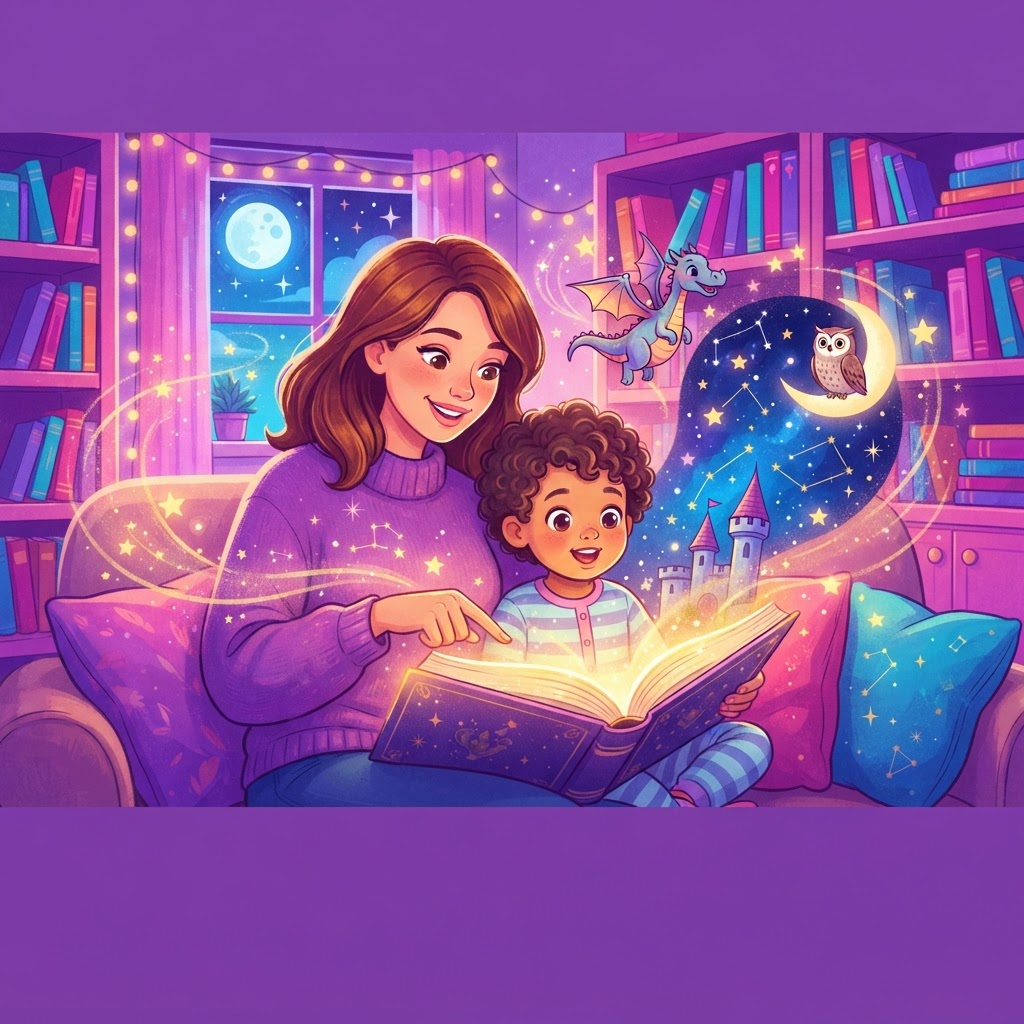
Adventure stories light up a child’s imagination in a special way. If you have ever wondered why kids love adventure stories, the answer is simple: these stories give children a safe place to explore danger, bravery, friendship, and possibility.
From a child development view, the adventure stories appeal comes from a powerful mix of excitement and security. A child gets to climb the mountain, cross the forest, or solve the mystery from the comfort of a parent’s lap or a warm bed. That mix matters more than many adults realize.
Why do adventure stories appeal to children?
Adventure stories appeal to children because they offer movement, challenge, and hope. Kids are naturally drawn to stories where something happens, someone must act, and the world feels bigger than the room they are in.
Children are active learners. They do not just want information; they want experience. In story form, adventure gives them that experience without real-world risk. A lost map, a hidden cave, a storm at sea, or a brave animal on a quest all let children test emotions in a safe way.
Adventure stories children love often include a few features:
- A clear goal
- A journey or mission
- Obstacles to overcome
- Helpers and friendships
- A satisfying ending
These patterns are comforting because they make the world feel understandable. Even when the plot is exciting, the structure tells a child, “Problems can be faced. Hard things can be solved.”
That is one reason children often ask for the same kinds of stories again and again. If your child also loves bedtime storytelling, our guide to why bedtime stories matter so much explains how repeated story rituals build security and connection.
What does developmental psychology say about adventure stories?
Developmental psychology suggests that children use stories to practice life. Adventure tales help them explore emotions, cause and effect, and problem-solving before they face similar challenges in real life.
Researchers in child development have long noted that children learn through pretend play, narrative, and repetition. The Center on the Developing Child at Harvard University explains that imaginative play supports executive function skills like working memory, self-control, and flexible thinking. Adventure stories tap into those same systems.
When a child listens to a hero decide what to do next, they are mentally rehearsing:
- “What would I do?”
- “Who can help?”
- “What happens if someone makes a bad choice?”
- “How do you stay brave when you feel scared?”
This is part of adventure psychology in childhood. A story lets children feel fear in small, manageable doses. Then it gives them relief, meaning, and often a happy ending. That emotional sequence helps children build resilience.
The American Academy of Pediatrics also emphasizes that shared reading and storytelling support language, emotional bonding, and social understanding. Adventure stories are especially effective because they hold attention so strongly.
In simple terms, adventure stories are not “just entertainment.” They are practice for growing up.
How do adventure stories give kids both excitement and comfort?
Adventure stories work because they balance thrill with safety. Children want stimulation, but they also need predictability. Good adventure stories give both at once.
The excitement comes from the unknown. There may be a dragon, a dark tunnel, a race against time, or a secret to uncover. That uncertainty creates suspense, which many children find delightful when it stays within their emotional comfort zone.
The comfort comes from story structure. Most children’s adventure stories include:
- A problem that can be named
- A hero the child can trust
- Helpers, clues, or tools
- A moral direction that feels clear
- A return to safety
This moral structure matters. Young children are still learning what is fair, kind, brave, and wise. Adventure tales often present these ideas in a very readable form: help others, keep going, tell the truth, be clever, and do not give up.
That is why adventure stories children ask for at bedtime do not always overstimulate them. When chosen well, they can actually help children process big feelings and settle down. If you are choosing calmer evening reads, you may also like this parent guide to the best bedtime stories for kids.
What skills can adventure stories help children build?
Adventure stories can support emotional, language, and thinking skills. They help children imagine possibilities, understand character motives, and build confidence in facing challenges.
Here are some of the biggest benefits:
Emotional resilience
A child hears that fear is normal, but it does not have to stop the journey. That message can be powerful for children dealing with school nerves, separation anxiety, or new experiences.
Empathy and perspective-taking
When children follow a hero through danger or uncertainty, they practice seeing the world from another point of view. According to Reading Rockets, rich read-aloud experiences support language and comprehension, but they also deepen emotional understanding.
Problem-solving
Adventure plots are built on decisions. Which path should the hero take? Who can be trusted? What clue matters? These story turns strengthen flexible thinking.
Vocabulary and narrative understanding
Words like “rescue,” “journey,” “discover,” “clue,” and “courage” expand a child’s language. Children also learn how stories are organized: beginning, challenge, turning point, and resolution.
Confidence
When children identify with a brave main character, they borrow that courage. This is especially true when the hero is a child, animal, or relatable beginner rather than a perfect superhero.
For many families, this is also where personalized storytelling shines. When children see themselves in the lead role, they often engage more deeply. You can create your own personalized bedtime story to match your child’s age, interests, and comfort level.
How can parents choose the right adventure stories by age?
The best adventure story is exciting enough to engage a child but gentle enough to feel safe. Age, temperament, and bedtime timing all matter.
A toddler may love a “mini adventure” like finding a lost teddy or helping a rabbit cross a stream. A seven-year-old may want treasure hunts, explorers, or magical quests. An older child may enjoy longer plots with mysteries, maps, and moral dilemmas.
A few simple guidelines help:
- Ages 1-3: Choose short, rhythmic stories with simple goals and happy endings.
- Ages 4-6: Look for light suspense, clear heroes, and strong emotional reassurance.
- Ages 7-10: Introduce richer plots, teamwork, and more layered challenges.
Also consider your child’s personality. Some children love suspense. Others prefer gentler adventures with funny moments and lots of reassurance. There is no single “right” level.
If you want ideas matched to development, browse these recommendations for adventure stories by age. Children who love discovery themes may also enjoy explorer-style or inventor-style adventures in everyday reading.
How can you use adventure stories effectively at bedtime, home, and school?
Adventure stories work best when adults use them intentionally. A little reflection before and after the story can turn a fun read into a strong learning moment.
At bedtime, choose adventures with a calm landing. The middle can be exciting, but the ending should restore safety. This helps a child enjoy the thrill without carrying tension into sleep.
At home, try these simple strategies:
- Ask, “What was the bravest part?”
- Ask, “What would you have done?”
- Connect the story to real life: “That hero felt nervous too.”
- Re-read favorite adventures so your child can notice new details
- Let your child help invent the next chapter
In classrooms, adventure stories can support literacy, discussion, and social-emotional learning. Teachers can use journey plots for prediction, sequencing, character analysis, and creative writing. For school-friendly storytelling ideas, visit InstaTales for teachers.
It also helps to give children some choice. When children pick the setting, helper, or mission, they feel more ownership over the story. That makes them more likely to listen closely and retell the narrative later.
One practical tip from experience: if a child loves adventure but gets overwhelmed easily, lower the threat and keep the quest. A missing kite can feel just as meaningful as a dragon battle when it is told well.
Frequently Asked Questions
Why do kids love adventure stories more than quiet stories?
Adventure stories offer action, suspense, and a clear goal, which naturally hold a child’s attention. Many children enjoy the feeling of exploring something new while still knowing the story will end safely.
Are adventure stories good for bedtime?
Yes, if the story matches your child’s age and sensitivity. Choose adventures with mild tension, warm helpers, and a calm ending so the excitement does not become overstimulating.
What age should children start listening to adventure stories?
Children can enjoy simple adventure stories as toddlers. The key is to match the plot complexity and emotional intensity to the child’s developmental stage.
Can adventure stories help anxious children?
Often, yes. Gentle adventure stories can help anxious children practice bravery and problem-solving in a safe, controlled format, especially when a caring adult reads with them.
How can I make adventure stories more meaningful for my child?
Pause to ask questions, connect the story to real feelings, and invite your child to imagine different choices. Personalized stories can also help children see themselves as capable and brave.
Ready to Create a Personalized Bedtime Story?
Use our free AI bedtime story generator to create a personalized illustrated story for your child in 30 seconds — no credit card needed.
Popular story types:
Maya Rodriguez
Lead Content Editor & Early Literacy Specialist
Maya is a former early childhood educator and literacy specialist with over a decade of experience helping children develop a love of reading. She leads content at InstaTales, where she writes about the science of storytelling, child development, and how families can use personalized AI stories to build literacy and emotional resilience.
instatales.ai