Dolphins Stories for Kids: 7 Tales and Fun Facts
Delightful dolphins stories for kids — plus real fun facts woven into each tale. Perfect for young animal lovers who love a good story.
✦ Key Takeaways
- •Dolphins make excellent story characters because they are social, intelligent, and active.
- •The best dolphins tales for children combine a simple emotional journey with 1-2 true animal facts.
- •The easiest way is to pause briefly during the story and connect one fact to the plot.
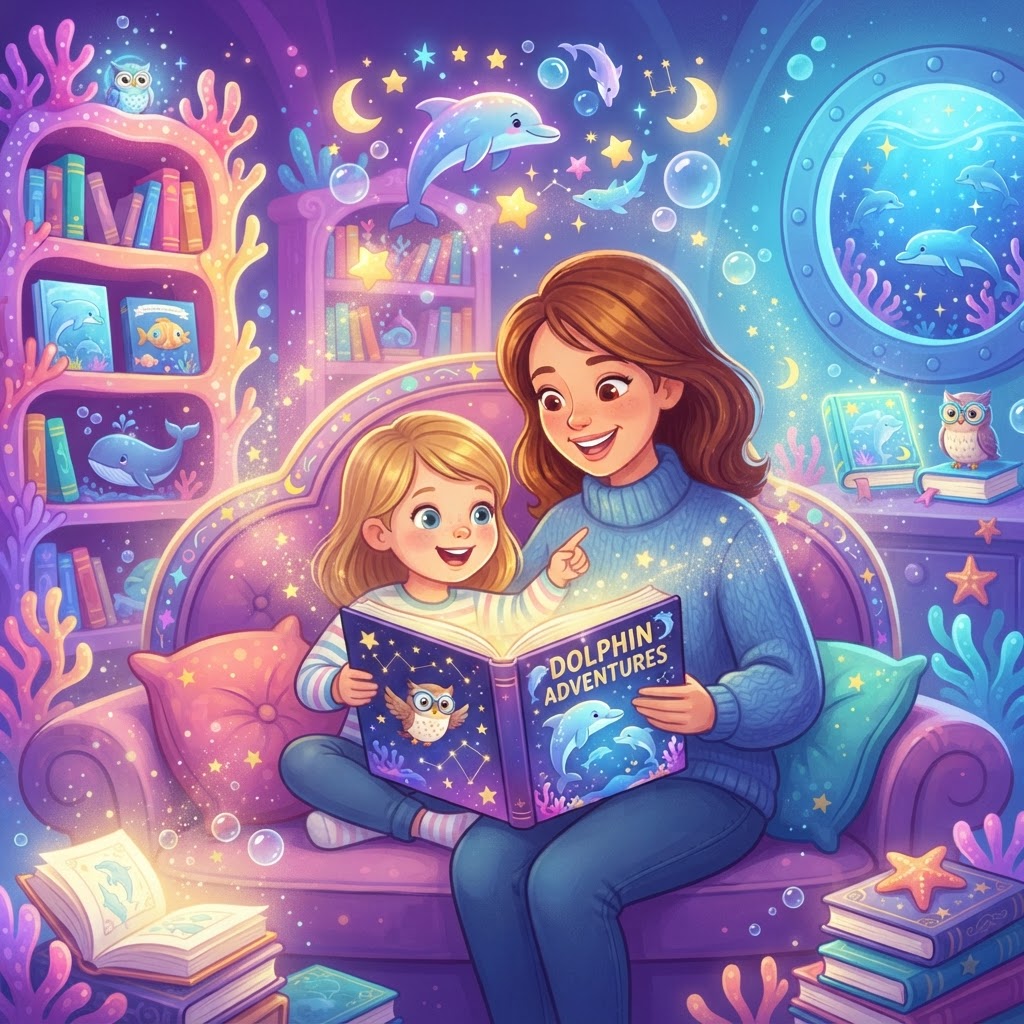
If your child lights up at ocean animals, dolphins stories for kids can be a wonderful way to mix imagination with real learning. These playful sea mammals are easy for children to love, and they also offer rich story material: teamwork, curiosity, communication, and adventure. In this guide, you’ll find stories about dolphins that spark bedtime magic, along with true facts from trusted wildlife sources and easy AI prompts you can use to create personalized tales with InstaTales.
Why are dolphins such a great theme for children’s stories?
Dolphins make excellent story characters because they are social, intelligent, and active. Children connect with animals that play, help one another, and explore the world, and dolphins do all three in ways that feel exciting and gentle.
From an educator’s perspective, animal-based storytelling works well because it supports vocabulary growth, emotional learning, and knowledge building at the same time. Groups like the American Academy of Pediatrics and child development researchers consistently emphasize the value of shared reading for language and relationship-building. When parents read dolphins bedtime stories, children are not only enjoying a tale—they are also practicing listening, predicting, and asking questions about the real world.
Dolphin themes also pair naturally with other animal interests. If your child enjoys sea creatures, they may also love our stories about penguins for kids, owls and their nighttime adventures, or gentle elephant tales.
What are the best dolphins stories for kids to inspire bedtime adventures?
The best dolphins tales for children combine a simple emotional journey with 1-2 true animal facts. That way, kids stay engaged with the plot while quietly learning about marine life.
The Lost Shell in the Coral Garden
A young dolphin named Mira helps a shy crab find its missing shell near a bright coral reef. Along the way, she learns to slow down, listen carefully, and ask sea friends for help.
Real facts to weave in:
- Dolphins use echolocation to learn about objects around them.
- Many dolphins live in groups called pods.
Trusted source: The Smithsonian Ocean portal explains dolphin echolocation and social behavior.
AI prompt:
“Write a gentle bedtime story for ages 4-7 about a dolphin named Mira who uses echolocation to help a crab find a lost shell in a coral garden. Include friendship, teamwork, and a calm happy ending.”
The Moonlit Race Across the Bay
Two sibling dolphins want to win a playful nighttime race, but they discover that the real goal is staying together when ocean currents change. The story can end with them helping a smaller dolphin keep up.
Real facts to weave in:
- Dolphins are strong swimmers and can travel long distances.
- They often communicate with clicks and whistles.
AI prompt:
“Create one of the best dolphins bedtime stories for ages 5-8 about siblings racing under moonlight across a bay. Include real facts about whistles, clicks, and dolphin teamwork, with a soothing bedtime ending.”
The Baby Dolphin’s First Big Splash
A baby dolphin feels nervous about swimming far from its mother for the first time. With gentle encouragement, the calf learns how to breathe calmly at the surface and trust its pod.
Real facts to weave in:
- A baby dolphin is called a calf.
- Dolphins are mammals, so they breathe air through a blowhole.
The National Oceanic and Atmospheric Administration offers reliable marine mammal information for parents and educators.
AI prompt:
“Write a warm, reassuring story about a baby dolphin calf taking its first big ocean swim. Mention that dolphins are mammals who breathe air, and keep the tone comforting for bedtime.”
The Singing Reef Rescue
When fish scatter from a noisy underwater cave, a brave dolphin follows the strange sounds and discovers trapped sea turtles that need help. The story can focus on courage without fear, using music-like clicks and echoes to guide the rescue.
Real facts to weave in:
- Dolphins are known for complex sounds used in communication.
- They are highly social and often cooperate.
AI prompt:
“Write an adventurous but not scary dolphin tale for children ages 6-9 about a reef rescue. Include true facts about dolphin communication and cooperation, and end with celebration under the stars.”
The Dolphin Who Loved Rainbows
After a storm, a curious dolphin follows a rainbow reflection across the waves and meets new ocean friends in different habitats. This is a lovely way to introduce the idea that not all dolphins live in the exact same kind of water.
Real facts to weave in:
- Different dolphin species live in oceans around the world.
- Some dolphins even live in rivers, not just the sea.
A helpful wildlife source is the World Wildlife Fund, which gives a broad overview of dolphin diversity.
AI prompt:
“Tell a magical story about a dolphin following a rainbow across the sea and learning that dolphins live in many parts of the world, including rivers. Make it colorful, peaceful, and suitable for ages 3-6.”
The Kindest Dolphin in the Pod
A dolphin notices that one older whale is lonely during migration season and decides to keep it company. The plot teaches empathy, noticing others’ feelings, and the quiet power of kindness.
Real facts to weave in:
- Dolphins are social animals that often stay close to pod members.
- They can show coordinated, group-based behavior.
AI prompt:
“Write a heartfelt story about the kindest dolphin in the pod helping a lonely sea traveler feel included. Include real facts about pods and dolphin social behavior, with a gentle message about kindness.”
The Treasure Map of Bubbles
A playful dolphin discovers that bubble trails, shadows, and sounds can work like clues on an underwater treasure hunt. Instead of gold, the treasure turns out to be a hidden seagrass meadow full of life.
Real facts to weave in:
- Dolphins learn about their surroundings through sound.
- Healthy marine habitats support many ocean animals.
AI prompt:
“Create a playful treasure-hunt story about a dolphin following bubbles to a secret underwater meadow. Include echolocation and ocean habitat facts, and write it for ages 5-8.”
How can parents turn dolphin facts into fun learning during story time?
The easiest way is to pause briefly during the story and connect one fact to the plot. Children remember information better when it feels meaningful, and story-based facts are often easier to retain than stand-alone trivia.
Try these simple techniques:
- Ask, “What did the dolphin use to find the shell?” after hearing about echolocation.
- Point out new vocabulary like pod, calf, or blowhole.
- Invite your child to guess what might happen next based on a real fact.
- Follow up with drawing, pretend play, or a short retelling.
This approach fits what early literacy experts have long observed: children learn best through responsive, back-and-forth interaction. If your child enjoys comparing animals, you can extend the learning with rabbit story ideas or clever fox tales from the InstaTales blog.
How can you use InstaTales to create personalized dolphins adventures?
InstaTales makes it easy to turn a simple dolphin idea into a custom bedtime story in minutes. You can personalize the character, setting, age level, and lesson, which is especially helpful for children who engage more deeply when they see familiar details in a story.
Here’s a simple way to create stories about dolphins with InstaTales:
- Start with create your own personalized bedtime story and choose a calm, ocean-themed concept.
- Add your child’s name, age, favorite colors, or a specific beach or sea setting.
- Include one or two real dolphin facts, such as echolocation or pod behavior.
- Ask for a tone like “gentle bedtime,” “funny adventure,” or “classroom nonfiction story.”
- Save favorites in your story library so you can re-read them.
If you want faster inspiration, browse story templates or use the prompts above as a starting point. Teachers can also adapt these ideas for ocean units, reading centers, or creative writing lessons with InstaTales for teachers.
What makes a good dolphin bedtime story for different ages?
A good dolphin bedtime story matches the child’s age, attention span, and emotional needs. Younger children usually do best with repetition, soft problem-solving, and simple facts, while older children often enjoy longer plots and richer animal detail.
Here’s a quick guide:
- Ages 1-3: Short scenes, soothing rhythm, one main dolphin, very gentle action.
- Ages 4-6: Clear beginning-middle-end, one problem to solve, 1-2 easy facts.
- Ages 7-10: Deeper adventures, teamwork themes, richer science woven into the story.
For family reading routines, consistency helps. A weekly animal theme or reading goal can keep excitement high, and weekly reading challenges can make that routine feel fresh without adding pressure.
Frequently Asked Questions
What are the best dolphins stories for kids?
The best ones combine gentle adventure, friendship, and a few real dolphin facts. Stories work especially well when they match your child’s age and interests.
Are dolphins bedtime stories good for learning?
Yes. They can build vocabulary, listening skills, and science knowledge at the same time. Children often remember facts more easily when those facts are part of a story.
What real facts can I include in stories about dolphins?
Great beginner facts include that dolphins are mammals, baby dolphins are called calves, dolphins live in pods, and they use echolocation. Keep it to one or two facts per story so it stays fun.
How do I make dolphins tales children will actually want to hear again?
Use repetition, a lovable main character, and a comforting ending. Personal details—like your child’s name or favorite ocean color—also make stories more memorable.
Can teachers use dolphin story prompts in class?
Absolutely. Dolphin stories can support ocean science units, reading comprehension, and creative writing. Teachers can personalize prompts for different reading levels with InstaTales for teachers.
Where can I save personalized dolphin stories for later?
You can keep favorite stories in your story library for easy re-reading. That makes it simple to build a themed collection of dolphins stories for kids your child already loves.
Ready to Create a Personalized Bedtime Story?
Use our free AI bedtime story generator to create a personalized illustrated story for your child in 30 seconds — no credit card needed.
Popular story types:
Maya Rodriguez
Lead Content Editor & Early Literacy Specialist
Maya is a former early childhood educator and literacy specialist with over a decade of experience helping children develop a love of reading. She leads content at InstaTales, where she writes about the science of storytelling, child development, and how families can use personalized AI stories to build literacy and emotional resilience.
instatales.ai